Psychology
Discover facts about psychology. Small discoveries that change the way you see familiar things.
Psychology
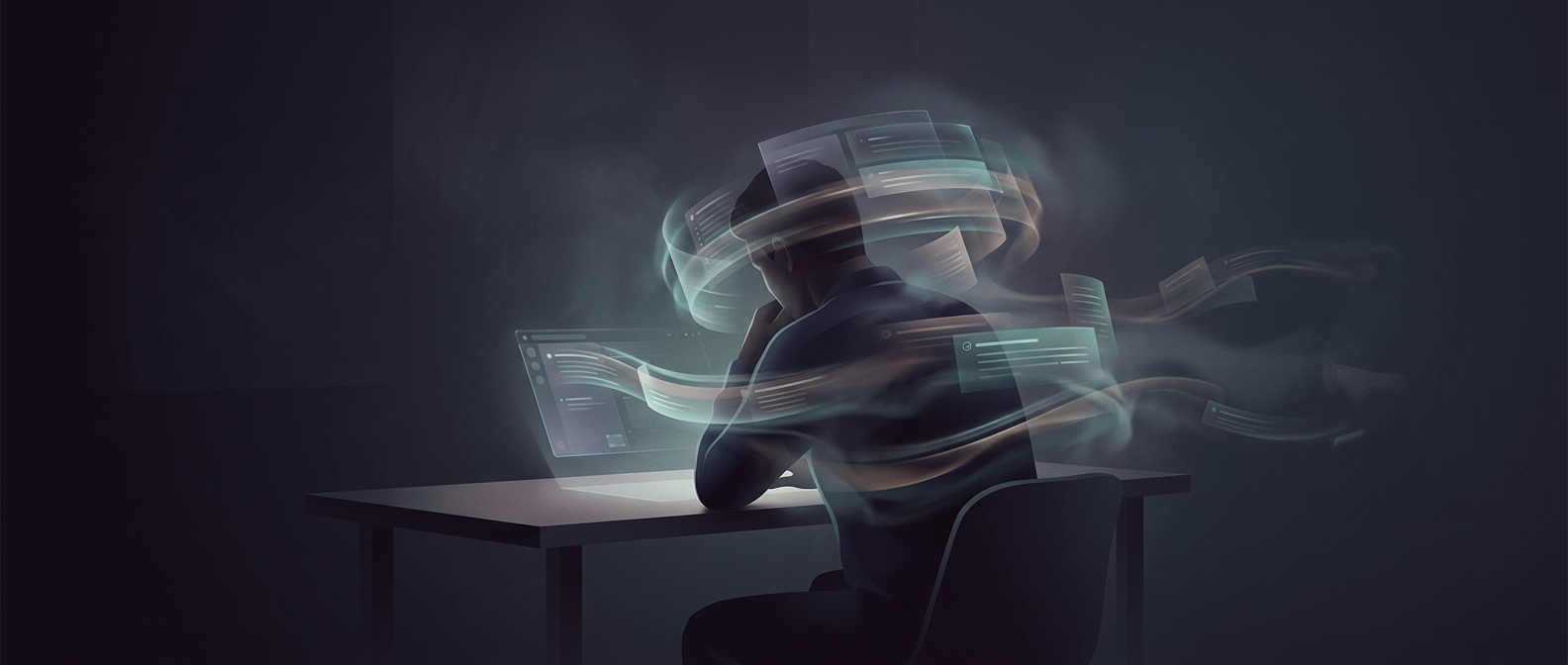
Why your attention lags after switching tasks
A new task may be on your screen, but part of your mind is still running the old one. You have to drop its instructions and load the next set, and the overlap…
Discover more
A warm bath can help sleep by helping you cool down
A 2019 review found that bathing or showering before bedtime could shorten the time it took to fall asleep. Warming the skin increases blood flow near the…
Discover more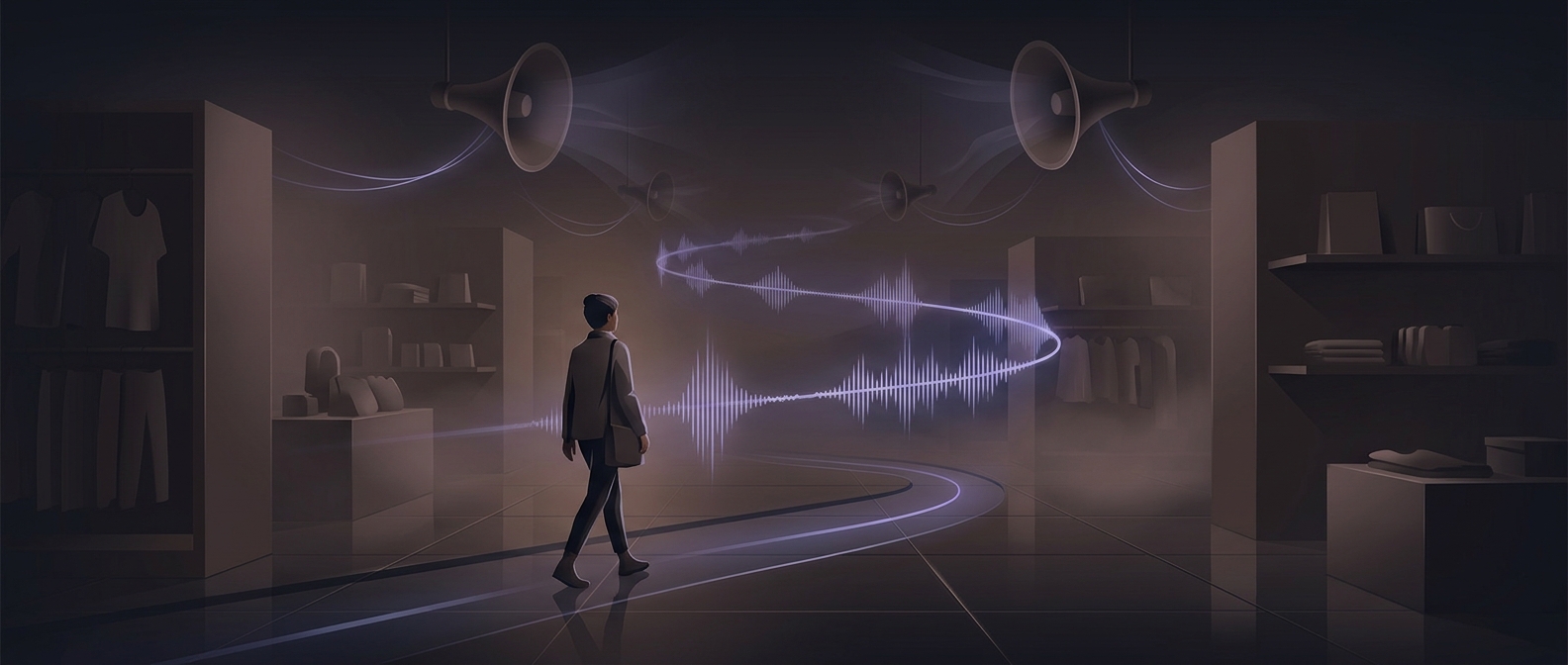
How stores use music to control your shopping pace
Slow music can encourage shoppers to move more slowly through a store. More time among the shelves means more chances to notice products, browse, and add…
Discover more
Supertasters experience bitter flavors overwhelmingly
A bitter vegetable may be a faint edge to one person and the entire meal to a supertaster. Their taste system responds more strongly to certain bitter…
Discover more
Eliminating tiny risks while ignoring massive ones
You can spend ten minutes checking a minor hazard and barely think about a risk that is far more serious but less visible. Concrete threats are easy to…
Discover more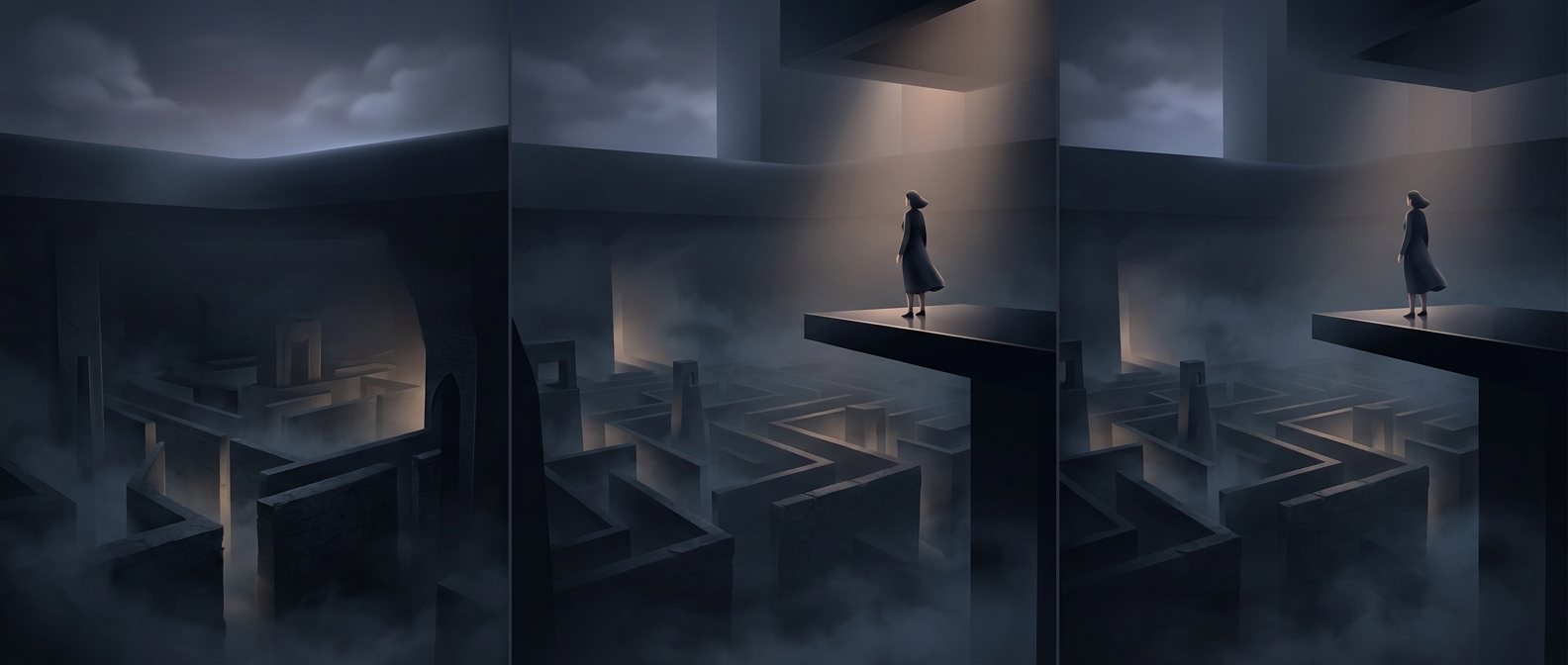
Why you want a seat with a view
A wall at your back and a clear view of the room can feel more comfortable than sitting exposed in the middle. Seeing the exits, people, and movement gives…
Discover more STACKY FOR IPHONE
A bigger world.
One discovery
at a time.
Keep discovering with Stacky. Interesting facts in an app that is always within reach.

A hospital's window view showed up in recovery records
A 1984 study compared 23 surgical patients facing trees with 23 matched patients facing a brick wall. The tree-view group had shorter stays and used fewer…
Discover more
Why sarcasm can make new friendships stronger
A sarcastic joke is a tiny social gamble: the listener has to recognize that you mean the opposite of what you said. When it lands, both of you get proof that…
Discover more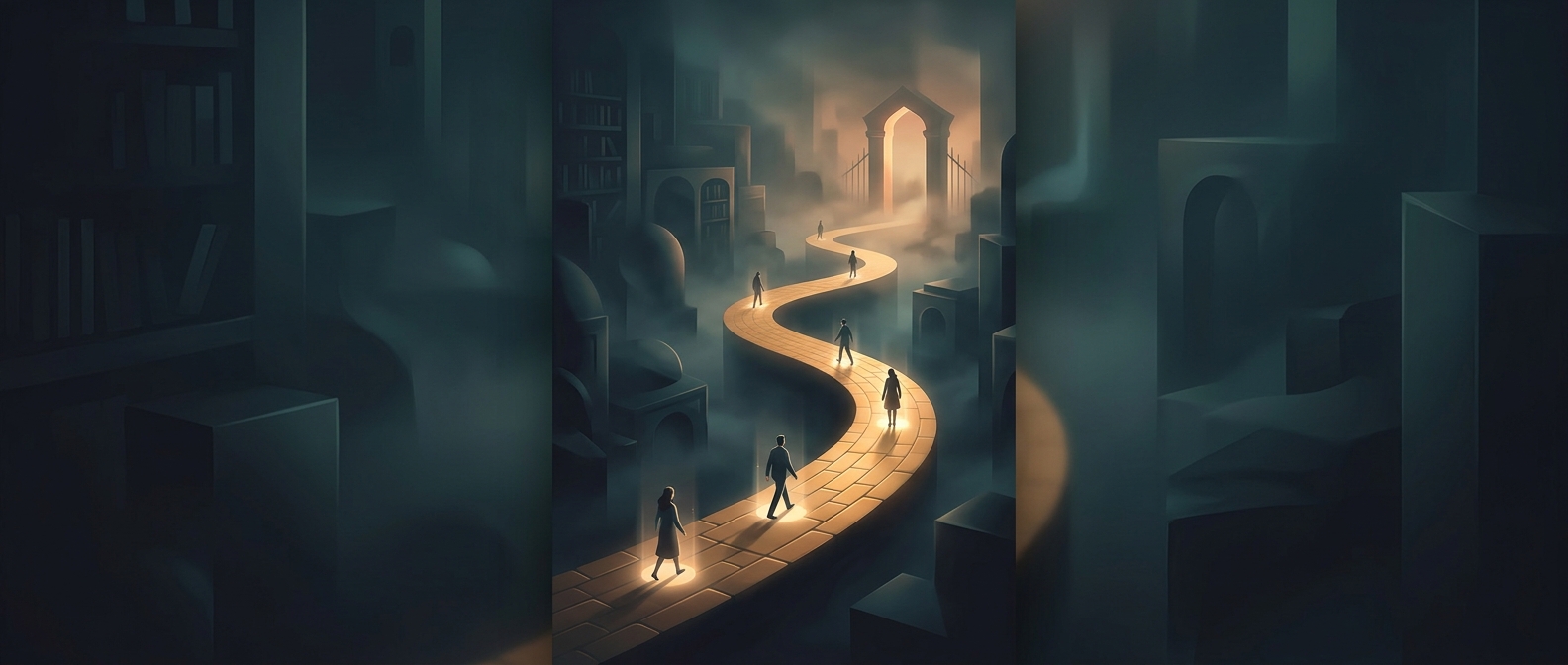
Rewarding behavior guarantees it happens again
A reward makes a behavior more likely to return by giving the learner a reason to repeat it. Get a satisfying result after an action, and the action becomes…
Discover more
Intellectualization strips all feeling from a tragedy
A person can discuss a loss in crisp, clinical detail while feeling strangely far from it. Intellectualization uses analysis to keep painful emotion at a…
Discover more
Why weird humor can bring couples closer
A strange joke gives a couple a tiny private world: both people have to understand the odd reference, the timing, or the shared absurdity. Laughing together…
Discover more
Why repeating someone’s words is so exhausting
If you keep repeating someone’s words, you have to monitor yourself: Did I copy that phrase accurately? Did I say it at the right moment? That self-checking…
Discover more
Xanthophobia makes people terrified of the color yellow
For someone with xanthophobia, yellow can set off fear rather than simply register as a color. The mind has attached an alarm to that visual cue, so even an…
Discover more
You remember your own ideas better than advice
Advice arrives as someone else’s thought; an idea you generate has to be built inside your own mind. That work gives it more connections to your memories and…
Discover more
Why matchmaking queues can leave you waiting
The queue can keep you waiting because a good match has to satisfy more than 'two players are online.' The system may need someone near your skill level and…
Discover more
Symmetry can make a shape pleasing before you know what it is
A balanced pattern gives the visual system regularities to detect and predict. Research on visual aesthetics often finds a preference for symmetry, although…
Discover more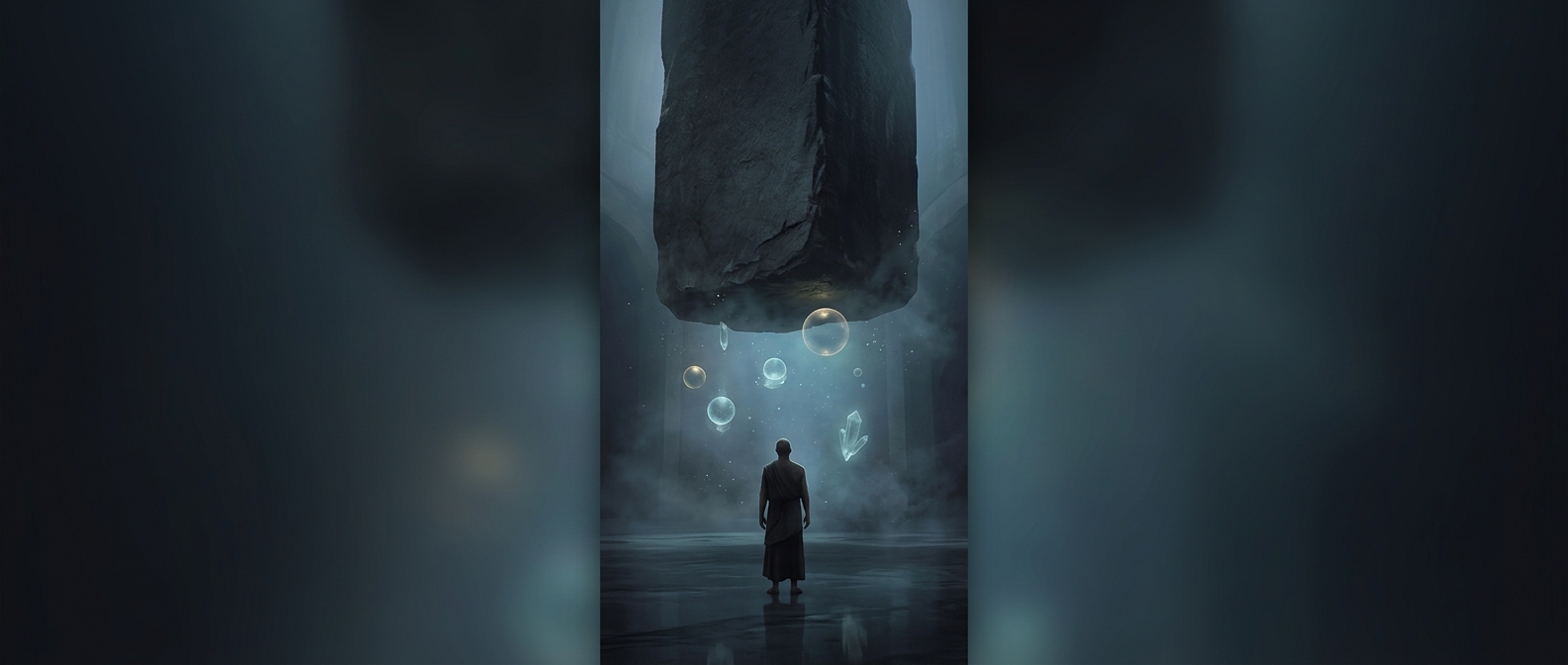
Why a heavy object makes a lighter one feel weightless
Your brain judges weight partly by comparing the effort an object demands with what it just lifted. After a heavy load, a lighter one feels dramatically…
Discover more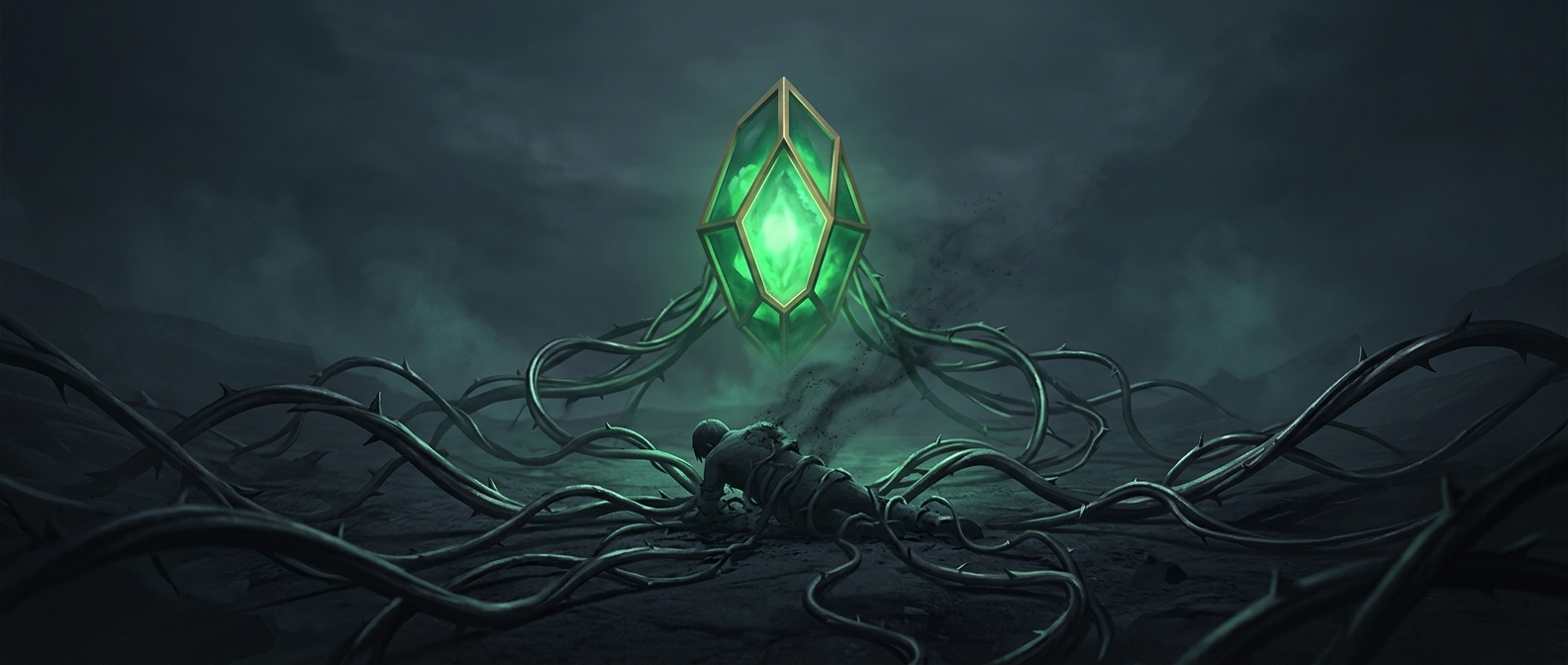
Why intense envy can feel physically painful
Watching someone else get what you desperately want can feel like a punch. Envy makes a comparison personal: their success becomes evidence of the gap between…
Discover more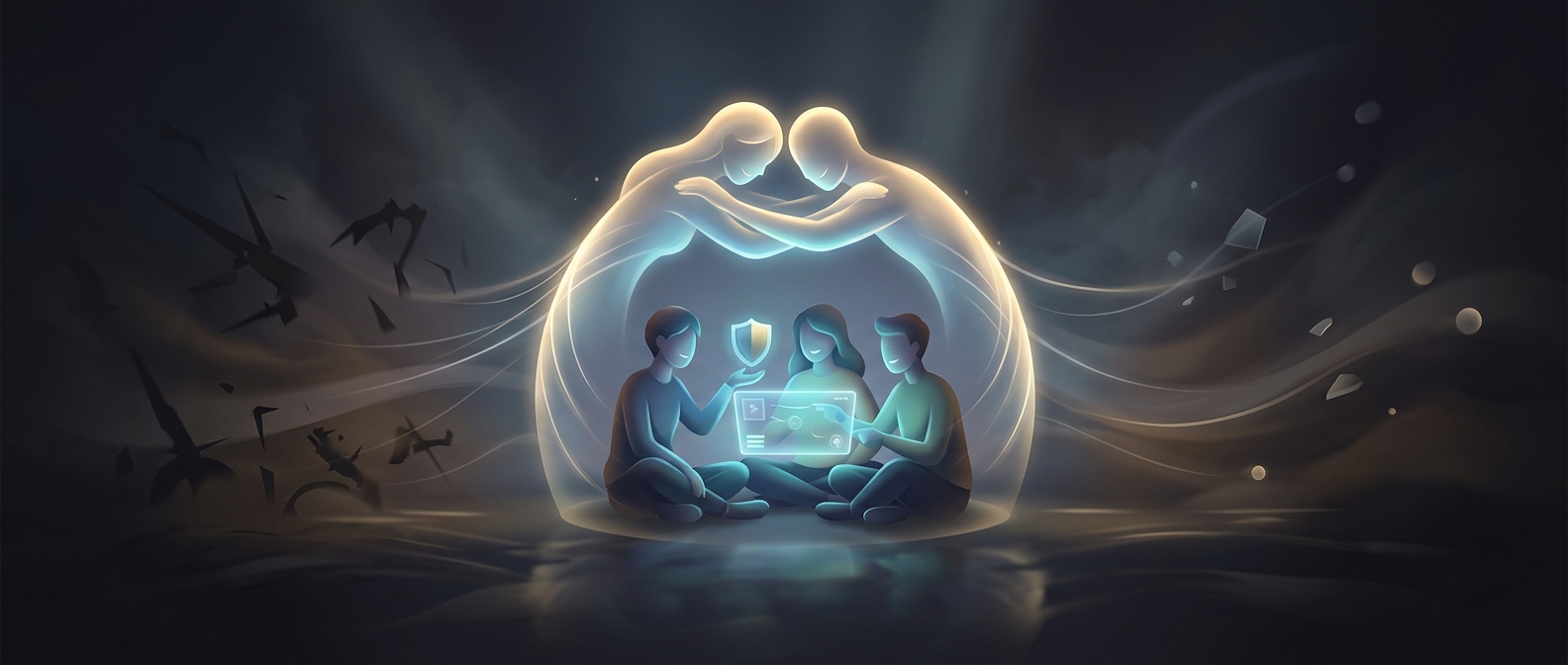
Why violent co-op games may reduce hostility
In a co-op game, your teammate is someone you need, not someone to beat. Shared goals can pull attention toward coordination and helping, giving players a…
Discover more
Why your future self feels like a stranger
Picture yourself ten years from now and you may imagine a stranger wearing your name. The less connected that future person feels, the easier it is to leave…
Discover more
Reading endless text causes mental fatigue rapidly
Endless text turns reading into a quiet endurance test: your eyes move on, but your mind has to keep selecting, holding, and linking information. When the…
Discover more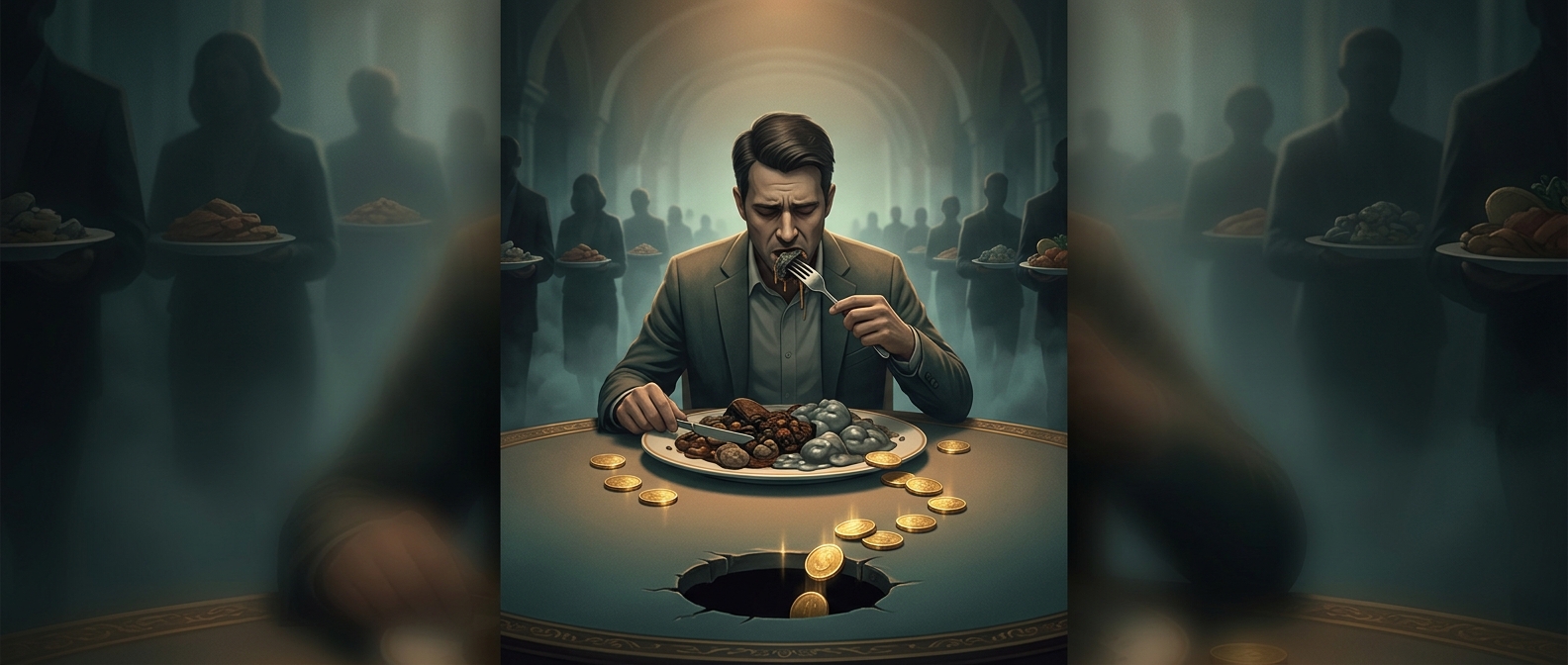
Why people finish meals they hate
A meal can stop being about taste and turn into a small bargain: you paid for it, took the portion, and now feel you should finish. That sense of waste or…
Discover more
Why an overflowing small cup looks bigger
An overflowing cup turns its rim into a visual measuring line: the drink has reached the cup’s limit and gone beyond it. In a small cup, that spillover takes…
Discover more
A stranger can feel like one familiar person in disguise
In the rare Fregoli delusion, someone believes different people are actually a known individual changing appearances. The faces can look different while the…
Discover more