Why the old task keeps tugging at your attention
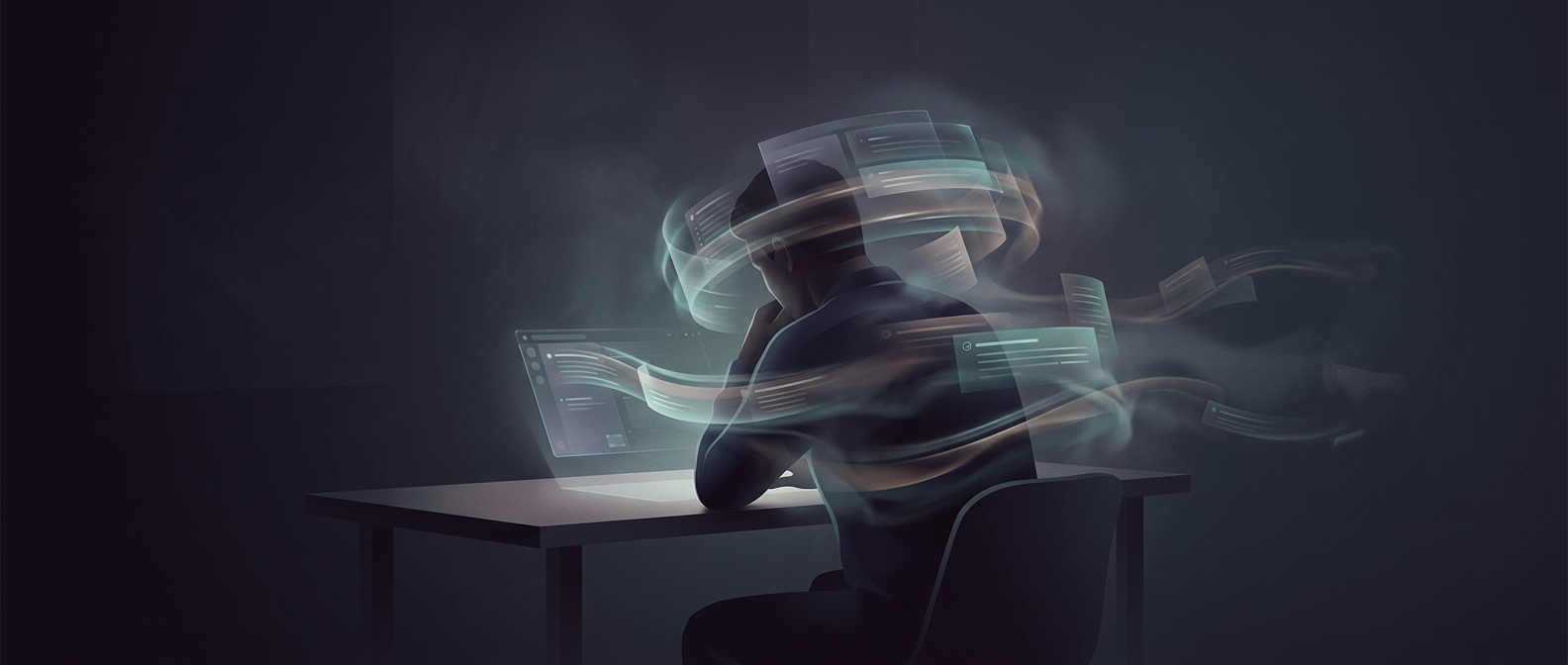
Tasks leave behind more than open windows. When you are composing an email, your mind is holding its purpose, the point you were about to make, and the next step. If a message interrupts you, those intentions do not vanish just because you click into another app. The new task has to compete with the old one for attention.
Psychologists call this task-set interference: the rules and goals for one activity can remain active while you try to apply a different set. A task set is the mental guide that tells you what to notice and how to respond. After switching, your attention must suppress the guide that no longer fits and bring the new one into focus. That transition can make the first choice or action on the new task slower or more error-prone.
Why some switches cost more
The effect is especially noticeable when tasks use different rules. Moving from editing a paragraph to answering a quick factual question may require a sharper reset than switching between two similar messages. An unfinished task can also be harder to leave: your mind still has an unresolved next step to pick up, so returning to it keeps competing with what is in front of you.
That is why a switch can feel costly even when it takes only a moment. The delay is not necessarily time spent consciously thinking about the old task; it can show up as hesitation, a missed detail, or having to reread the new screen. Making the next step explicit before switching—such as jotting down where to resume—gives the old task a clearer stopping point and makes it easier to direct attention toward the new one.