Why a clear view can feel reassuring
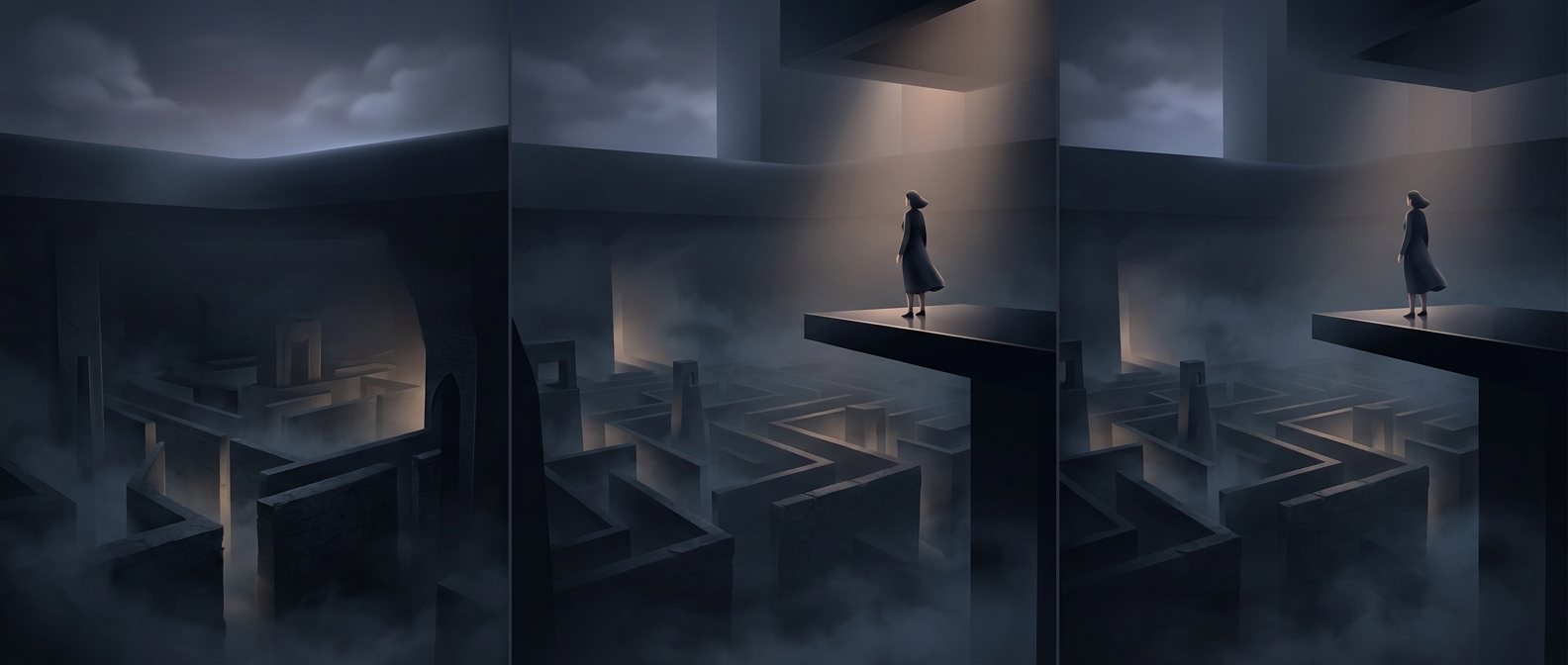
A seat with a wall behind you and an open view of the room can make it easier to relax. You do not have to keep turning around to find out who is approaching or what is happening behind you. Instead, changes in the space are more likely to fall within your ordinary field of vision—the area you can see while looking ahead.
That does not mean you consciously monitor every person or movement. It means your attention has fewer unknowns to keep checking. When something changes in view, you can register it without interrupting a conversation or task to scan the room.
Less uncertainty, less checking
People naturally notice possible changes in their surroundings, especially when they are deciding where to direct their attention. A doorway opening or someone moving nearby can prompt a quick glance. If important parts of a room are out of sight, the mind may have to rely on repeated checks to update its sense of what is happening.
A wall at your back limits that uncertainty in one direction; a view across the room makes activity easier to follow in another. Together, they can make a seat feel more predictable. The comfort comes less from watching everything than from not having to wonder as much about what you cannot see.
A preference, not a universal rule
The effect depends on the person and the situation. Some people prefer the privacy or reduced stimulation of a tucked-away seat; others may not notice the difference at all. But in an unfamiliar or busy room, choosing a place where you can see the entrances and the flow of people can make it easier to settle in—because fewer movements arrive as surprises.