Psychology
Discover facts about psychology. Small discoveries that change the way you see familiar things.
Psychology

How your brain excuses cheating
When you cheat, your mind has a strong reason to keep believing you are honest. It can shrink the rule you broke, focus on how little anyone lost, or point to…
Discover more
Why your brain defends a bad purchase
Once you’ve spent the money, admitting the purchase was a mistake means facing both the loss and your own judgment. Your mind tries to soften that sting by…
Discover more
Why acting unavailable can make you seem more desirable
An unanswered message leaves a blank your mind can fill with possibility. Because you can’t tell whether someone is busy, selective, or uninterested,…
Discover more
A short conversational silence can feel surprisingly loud
When a reply does not arrive, there is suddenly room to interpret the pause: disagreement, boredom, hesitation, or nothing at all. You know what you said but…
Discover more
Writing an angry letter may take the fight out of you
Putting an angry letter on paper can move the argument out of your head and into sentences. Once the thoughts have an order, you may feel less compelled to…
Discover more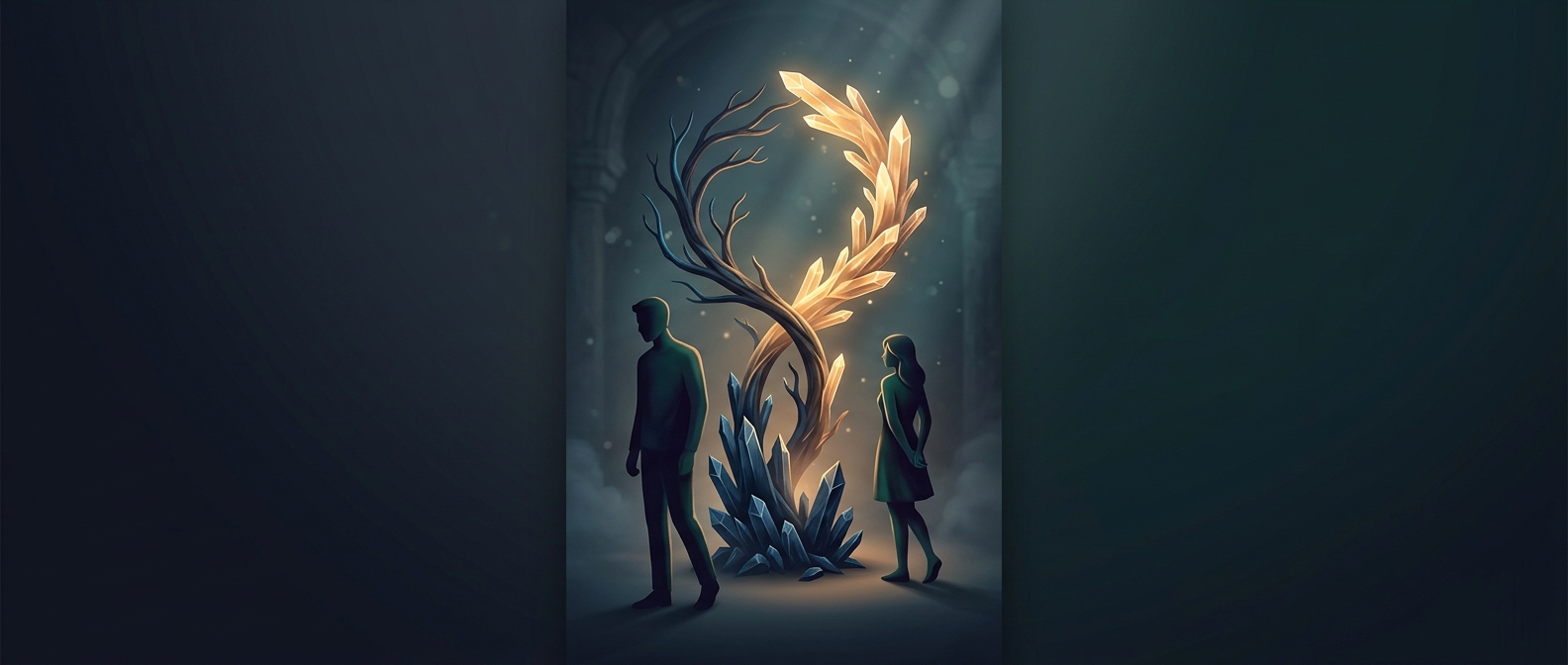
Why hard-won affection feels more valuable
A long wait, a difficult conversation, all those attempts to get close: effort can make affection feel more precious. Your mind tries to make sense of what…
Discover more STACKY FOR IPHONE
A bigger world.
One discovery
at a time.
Keep discovering with Stacky. Interesting facts in an app that is always within reach.
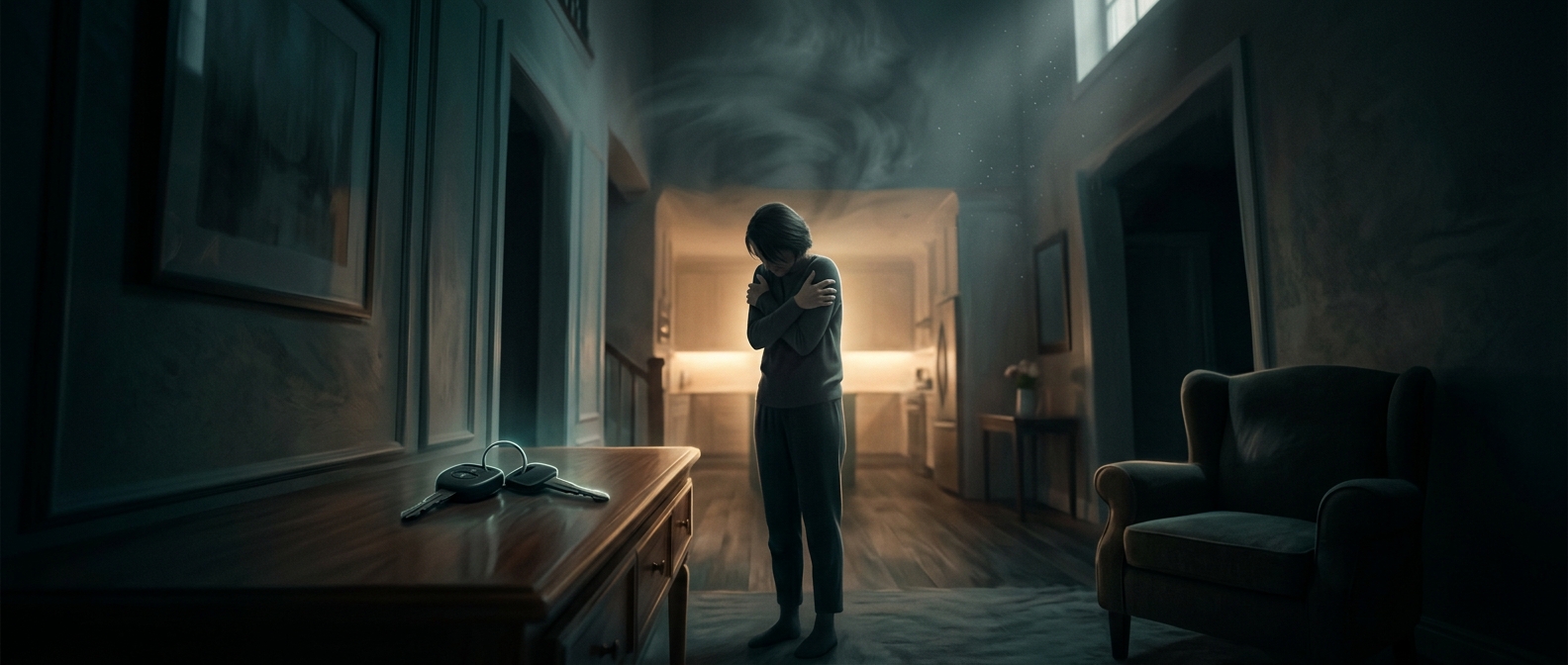
Oikophobia is an abnormal dread of home surroundings
Oikophobia is an abnormal fear of home surroundings. If anxiety becomes associated with the place where someone lives, the usual signs of safety—familiar…
Discover more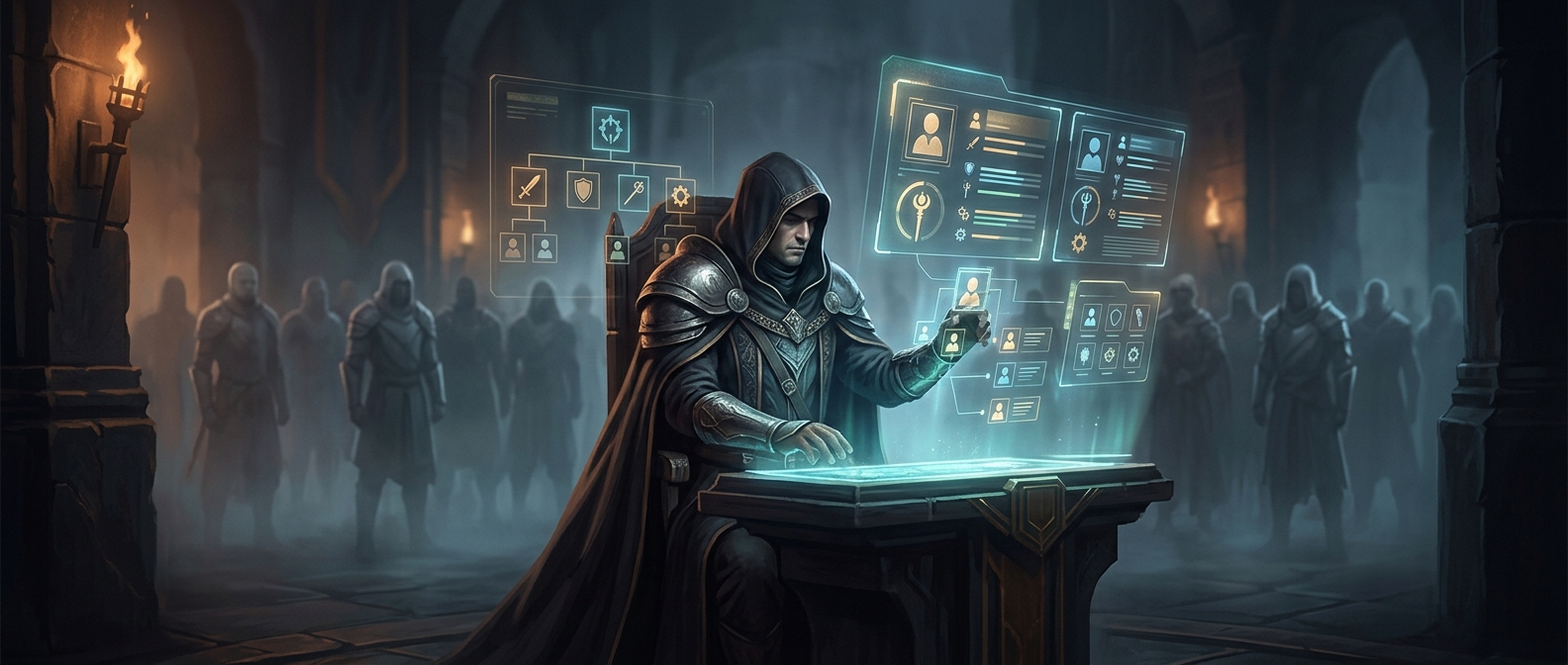
Running a gaming guild is unpaid HR
When a guild runs smoothly, someone is usually doing invisible work: welcoming newcomers, setting expectations, and stepping between players when tempers…
Discover more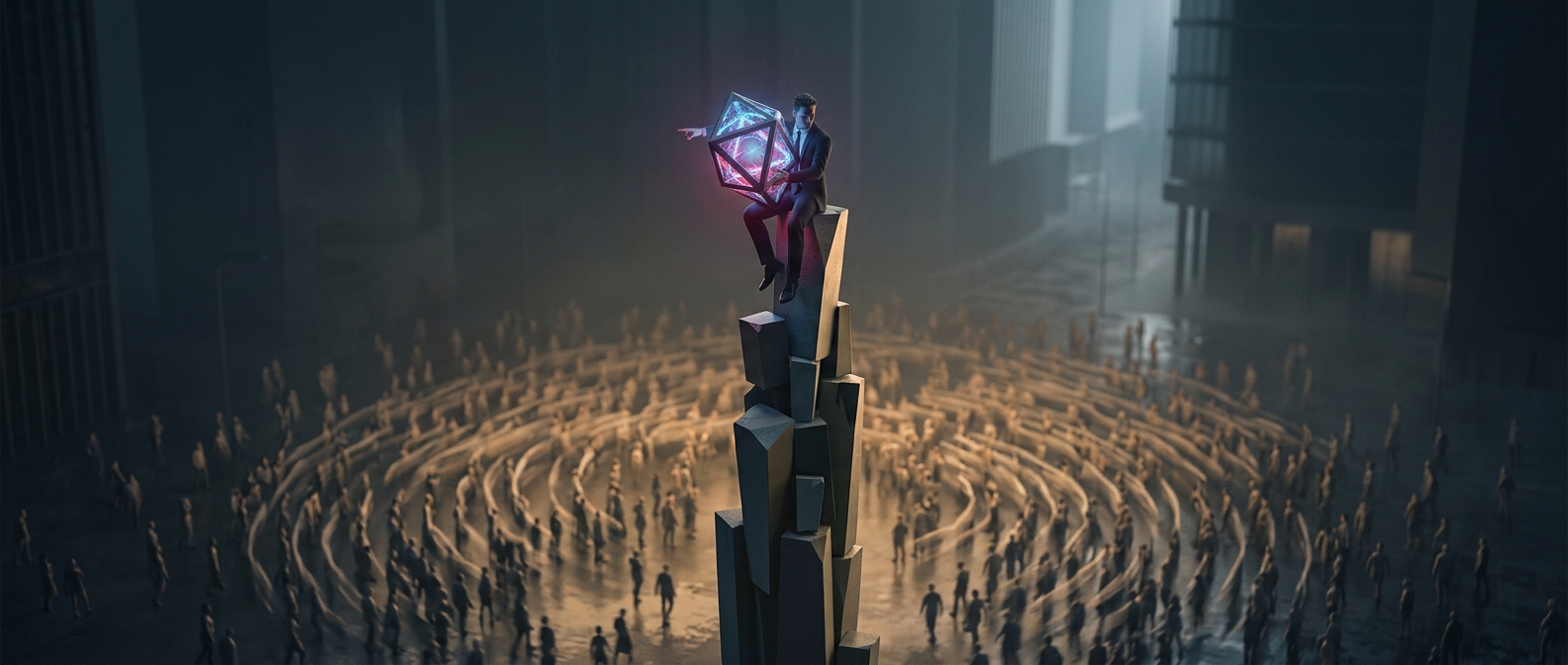
Why your friends' opinions feel more common than they are
When the same few friends keep agreeing with you, repetition makes their view feel common. But your social circle reflects who you know and spend time with,…
Discover more
Restaurant lighting has been tested as part of the menu's influence
A published study reported less healthy choices under dimmer light than brighter light, with alertness proposed as an explanation. That is a specific…
Discover more
Some antipsychotics can cause lasting involuntary movements
A mouth moves, a tongue shifts, or fingers twitch—and the person cannot simply decide to stop. These involuntary movements, called tardive dyskinesia, can…
Discover more
Why conspiracy theories can make people feel special
When a theory says powerful people are hiding the real story, accepting it can make a believer feel like one of the few who sees through the deception. That…
Discover more
Why You Remember Where a Fact Was on the Page
Your memory sometimes saves the scenery around an idea: its position on the page, the nearby heading, even the shape of the paragraph. When the fact slips…
Discover more
Why Experts Reject Ideas That Challenge Them
A surprising claim does not arrive on an empty desk. Experts already have a detailed map of how their field works, and an idea that clashes with it demands…
Discover more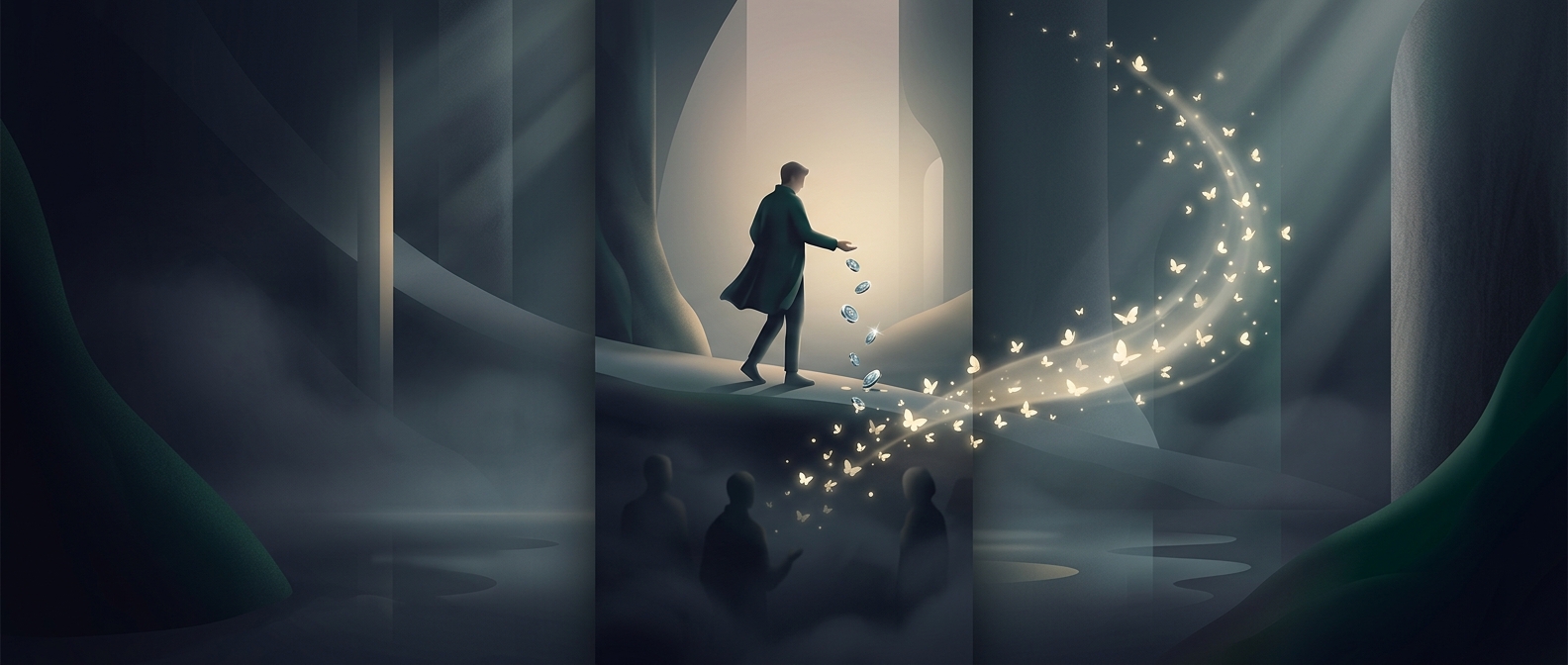
Why Spending Money on Others Feels Better
A treat for yourself can fade once you get used to it. Spending on someone else often carries a second reward: you can picture the person receiving it and…
Discover more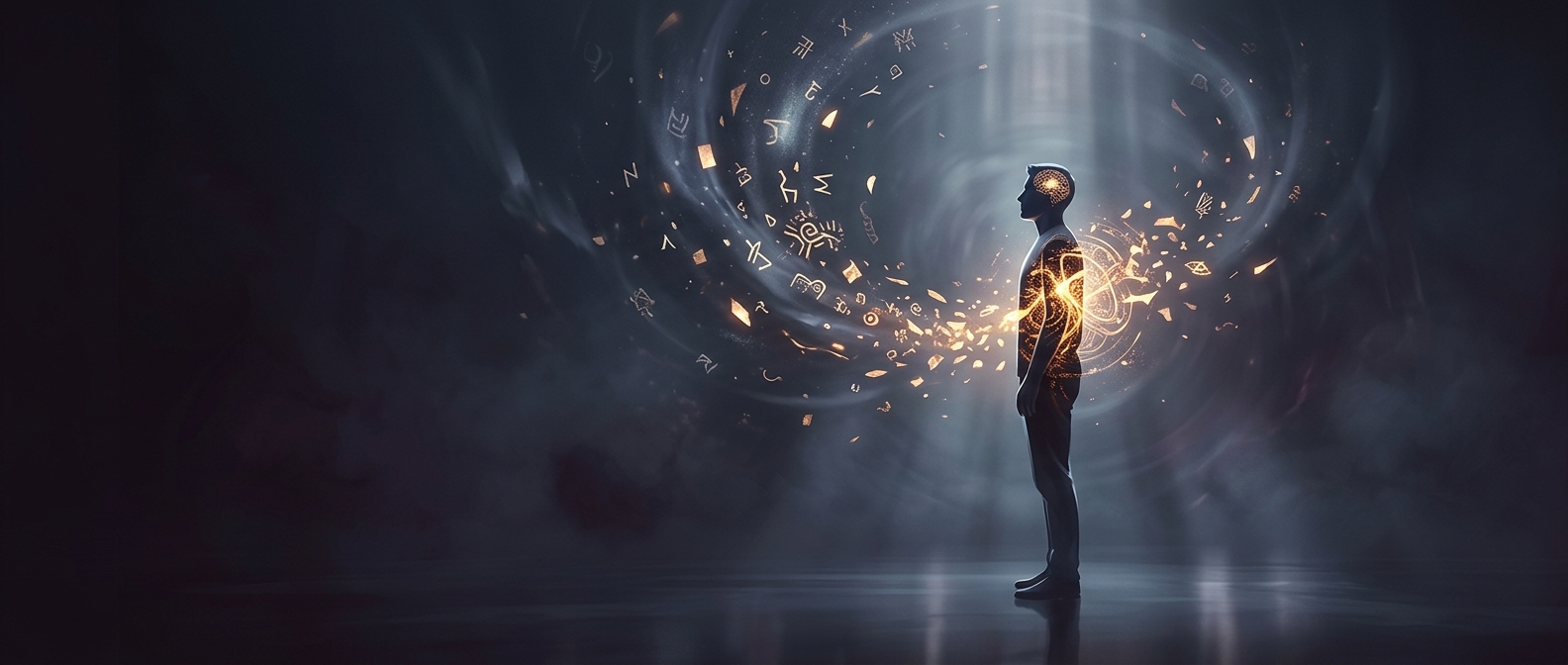
Why Facts Stick Better When You Relate Them to Yourself
Compare a fact with a bare definition, then ask how it applies to you. The second version gives your memory something familiar to attach the new information…
Discover more
Personal perspectives blind us to outside reality
A familiar trap: you know what you meant, but not what everyone else saw. Because your own viewpoint is the one you experience most vividly, it can become the…
Discover more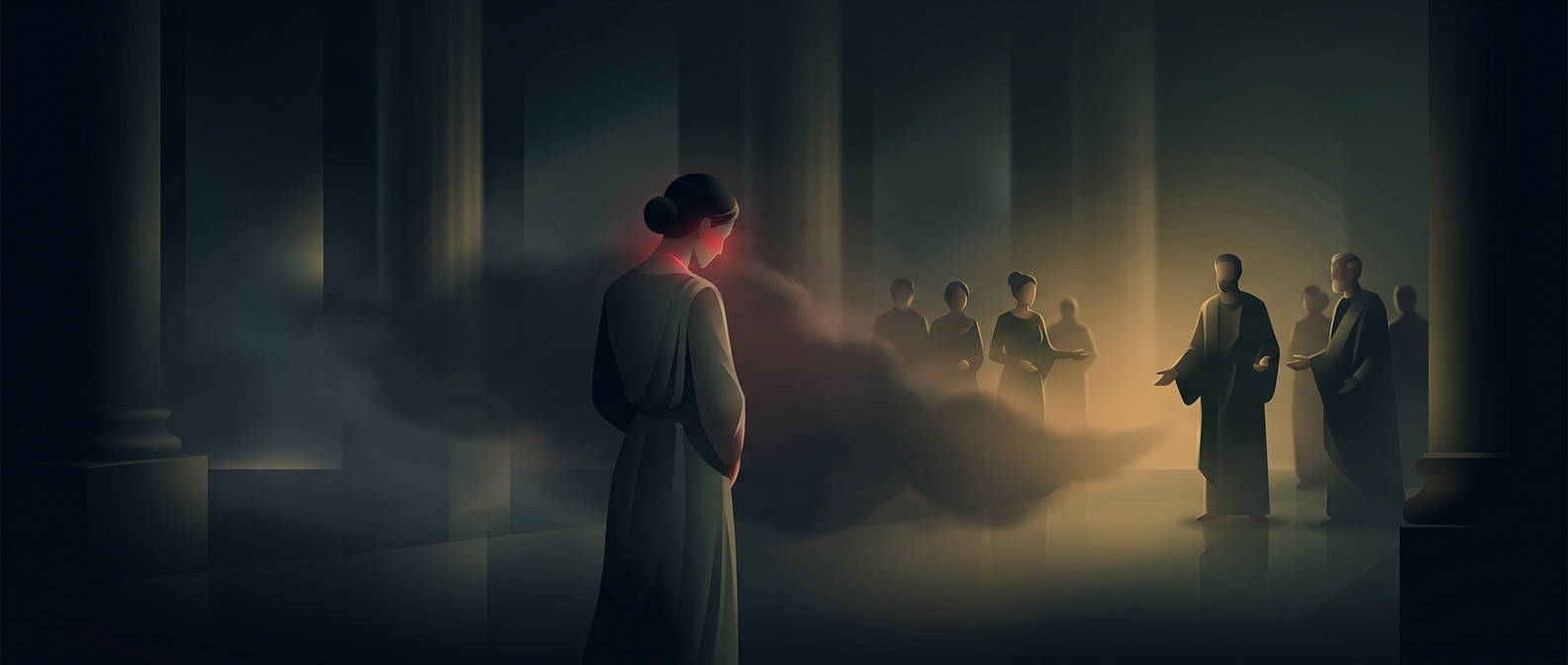
Blushing after a mistake can make people trust you more
A blush can act like a tiny, involuntary admission: “I know I messed up, and I know you saw.” Because it looks hard to fake, people may read it as…
Discover more
How some people dodge obstacles without seeing them
Some people with damage to the brain’s visual cortex report no conscious sight yet can respond to objects or navigate around obstacles in tests. Other visual…
Discover more
Why boredom makes you seek something new
When nothing demands your attention, boredom acts like an alarm: this moment isn’t giving you enough to work with. Your mind starts scanning for stimulation,…
Discover more
Why a friend's success can feel complicated
When a stranger succeeds, it’s news. When your friend does, their life becomes a nearby measuring stick: you share enough context to imagine what their win…
Discover more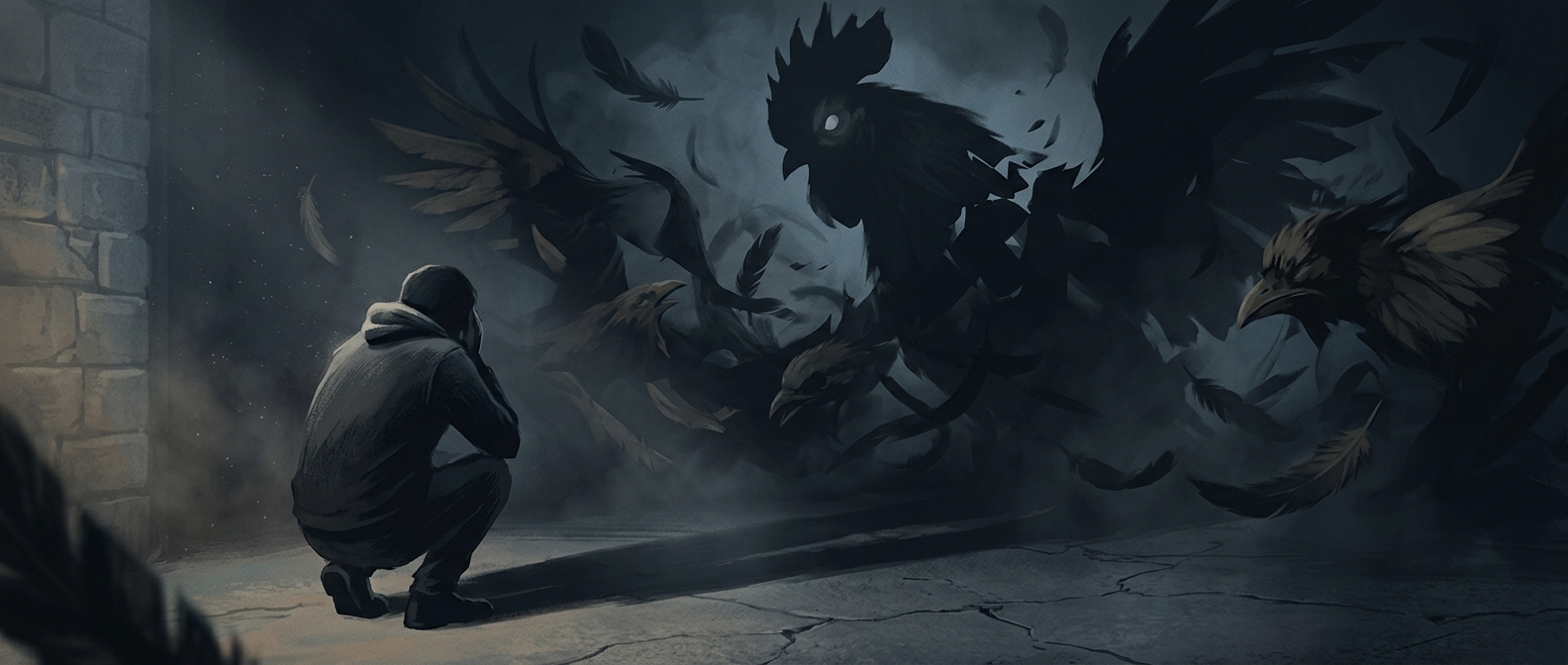
Alektorophobia is the fear of chickens
The word alektorophobia names a fear of chickens. For someone who has it, a creature others barely notice can command attention: every flutter or quick…
Discover more
Nouns are infinitely easier to learn
A noun like “cup” gives a learner a stable thing to point to. A verb like “pour” depends on an event: who is acting, what is being moved, and when it happens.…
Discover more
Why your past opinions change with your current ones
Your memory of an old opinion is not a recording you can replay. When your view changes, you may reconstruct what you used to think to make it fit the person…
Discover more