stackyFACTS
Psychology

Some antipsychotics can cause lasting involuntary movements

HERE’S THE INTERESTING PART

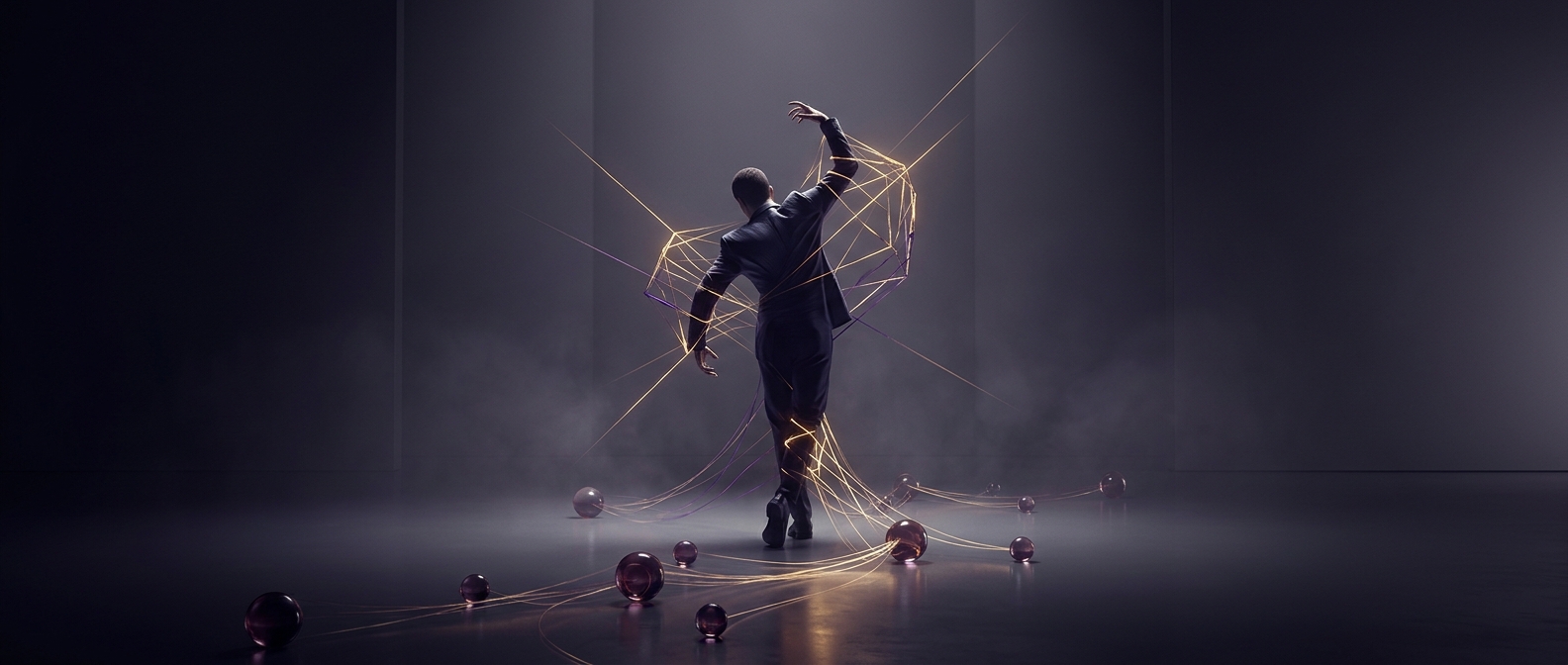
The medical cure for severe psychotic breaks often comes with a terrifying mechanical price tag. Prolonged use of antipsychotics can irreversibly damage motor circuitry, forcing the jaw, tongue, and limbs into aggressive, involuntary rhythmic contractions that simply never stop.
Some antipsychotics can cause lasting involuntary movements
STACKY / Psychology
One discovery leads to another.

Keep exploring facts in this topic.

Psychology →

STACKY FOR IPHONE

A bigger world.
One discovery
at a time.

Keep discovering with Stacky. Interesting facts in an app that is always within reach.

Download on the App Store
ONE MORE DISCOVERY?

Keep exploring

All in this topic →
Why jokes work by breaking your predictions
Psychology

Why jokes work by breaking your predictions

Incongruity theory states that humor is just your system enjoying its own failure to predict the future. A joke setup forces your predictive models to guess…

Discover more
Psychology

LinkedIn influencers who obsessively refresh their profiles for engagement metrics are trapped in a modern evolutionary nightmare where thousands of invisible strangers hold…

We successfully traded the evolutionary fear of being eaten by tigers for the much sadder fear of being ignored by strangers on the internet. Online…

Discover more
Why humor can hide private pain
Psychology

Why humor can hide private pain

Instead of seeking professional help for your profound sadness, you just post a highly sarcastic meme about it. You deflect any genuine concern by making a…

Discover more
Why you heard them after asking them to repeat it
Psychology

Why you heard them after asking them to repeat it

Asking someone to repeat themselves, only to realize you actually heard them, is a classic acoustic buffer delay. Echoic memory stores a perfect, three-second…

Discover more
Why upside-down faces hide shocking distortions
Psychology

Why upside-down faces hide shocking distortions

The Thatcher effect is a glitch where your brain completely fails to notice grotesque changes to a face if the image is upside down. Because our facial…

Discover more
Why does putting up a highly strict "Do Not Touch" sign usually guarantee that people will immediately touch the object?
Psychology

Why does putting up a highly strict "Do Not Touch" sign usually guarantee that people will immediately touch the object?

Why does putting up a highly strict "Do Not Touch" sign usually guarantee that people will immediately touch the object?

Discover more
StackyMore discoveries in the app
Download on the App Store