Your brain is already writing the next line
Conversation is full of quick predictions. When someone begins a familiar phrase, tells a story with a recognizable setup, or describes an ordinary situation, your mind uses the clues so far to anticipate what comes next. That forecast is not a deliberate guess; it is part of how you follow language and make sense of events in real time.
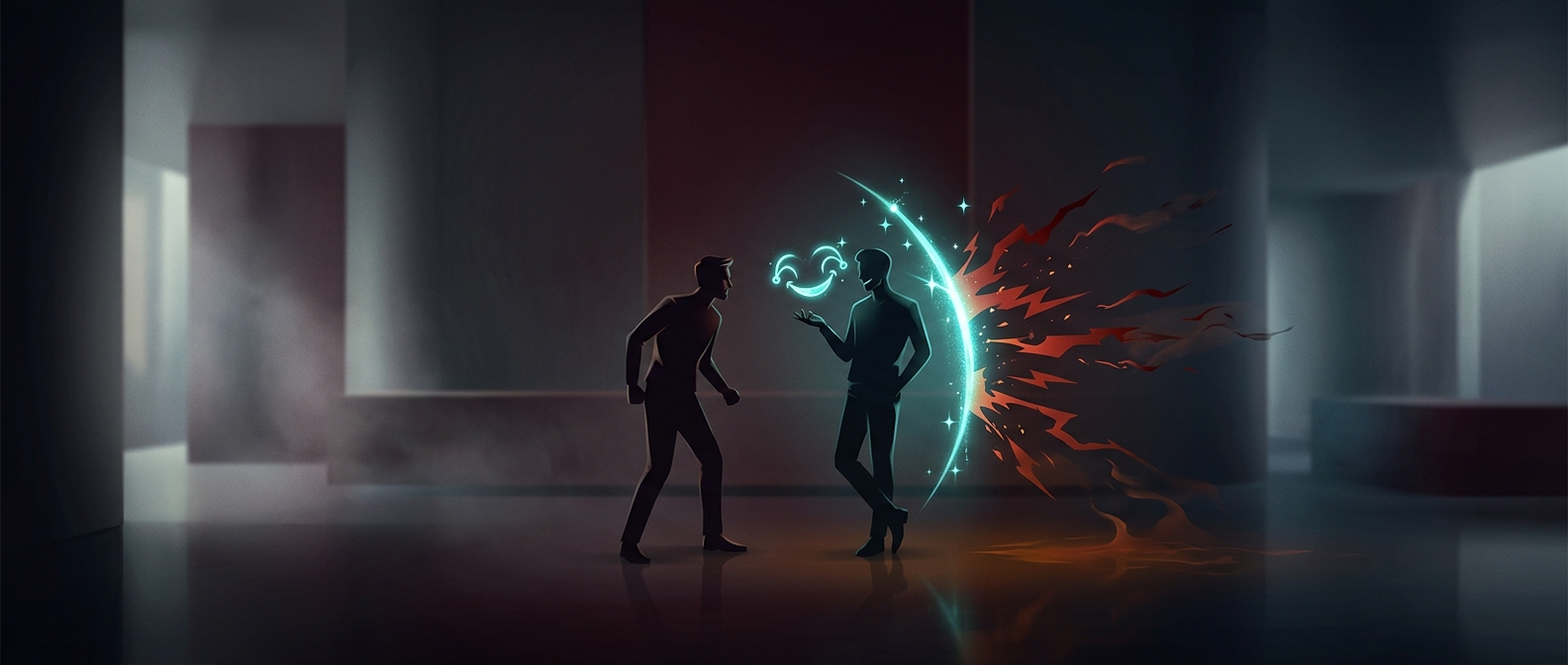
A joke takes advantage of that momentum. Its setup steers you toward one likely interpretation, often by making a detail seem unimportant or by encouraging you to assume the usual meaning of a word. The punchline then supplies a different interpretation. The gap between what you expected and what you hear creates surprise—but surprise alone is not the whole effect.
The punchline makes you rebuild the scene
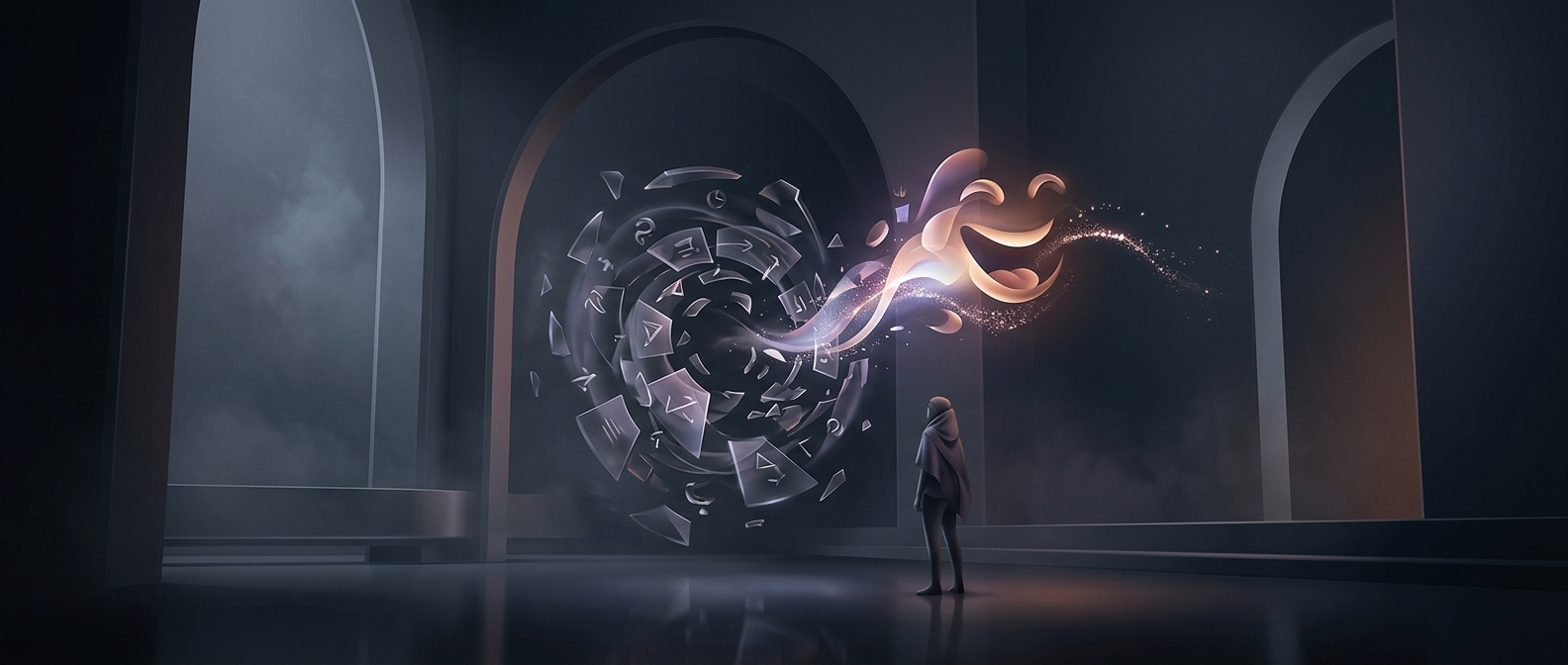
For a joke to land, the new meaning must make the earlier details fit in a different way. Your mind has to go back over the setup and revise its reading: a word had another sense, a character had a different motive, or an apparent detail mattered after all. That quick reinterpretation is called reframing—seeing the same information through a new perspective.
The pleasure often comes from resolving the mismatch. A punchline that is random may be unexpected, but it gives you nothing coherent to reconstruct. A well-shaped joke surprises you and then lets you see, in retrospect, how the setup supported the twist. The answer feels both new and suddenly obvious.
Why timing matters
The joke also depends on when the new interpretation arrives. If the setup gives away too much, there is little left to discover; if the connection is too obscure, the audience may not find it. A pause can hold the expected pattern in place for a beat, making the turn more noticeable when it comes.
That is why a joke can feel like a tiny mental trap with an exit built in: you follow the wrong path, then recognize the route to the right one. The laugh often marks that instant of release, when the scene you had imagined gives way to one that fits better.