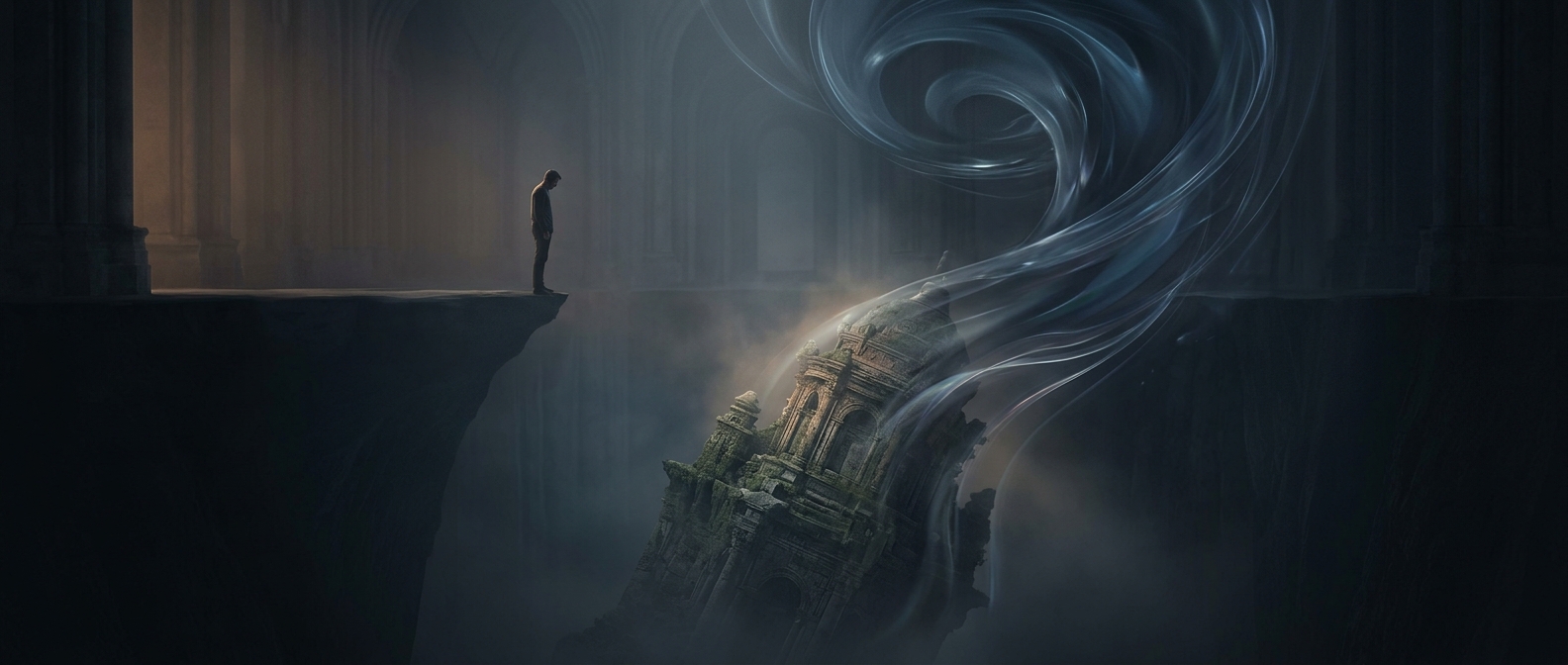
Memory rebuilds the past from the present
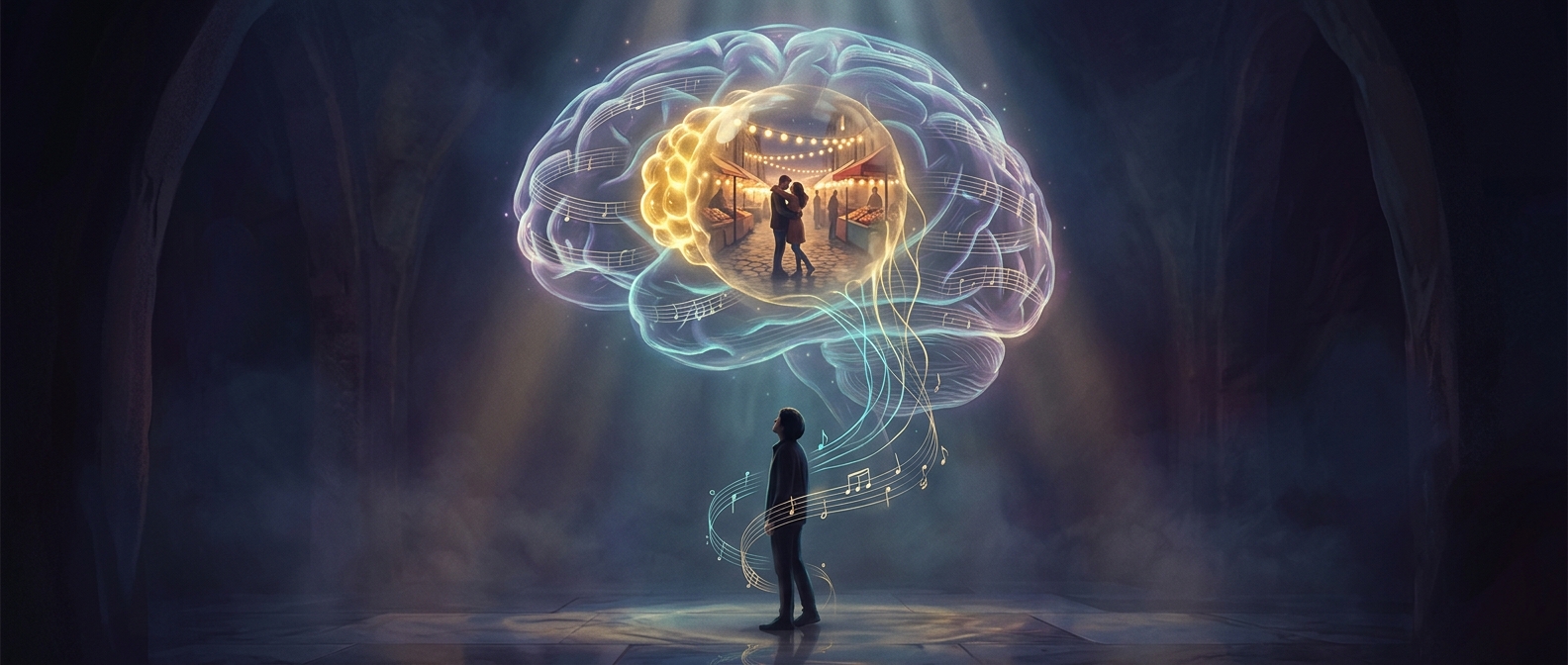
Remembering an old opinion is less like replaying a recording and more like rebuilding a scene from fragments. You may recall what you believed, but you also use clues available now: what you think today, what you know happened afterward, and the story you tell about how you changed.
That reconstruction can quietly shift the past. If you now favor a policy you once opposed, for example, you might remember your earlier position as uncertain or close to your current one—even if you once felt strongly the other way. The present view supplies a plausible bridge between then and now.
Why a changed mind can feel like a gradual one
People generally want their beliefs and choices to make sense as a whole. A sharp reversal can feel inconsistent, so memory may smooth it into a gradual evolution: “I was already leaning this way.” That account may be sincere, not a deliberate attempt to rewrite history. The remembered past is being organized to fit what seems coherent now.
The effect is especially easy to miss because confidence in a memory is not the same as accuracy. A recollection can feel clear while leaving out how certain you were, what arguments persuaded you, or how different your earlier assumptions were. Later conversations, public statements, or dated notes can provide firmer clues than the feeling of remembering.
What the shift can conceal
This does not mean every memory of a past belief is wrong. It means the details most vulnerable to change are often the ones that matter when judging how much you have changed: the strength of the old opinion and the reasons behind it. Keeping a record of your reasoning—not just your conclusion—can make a future change of mind easier to see, and easier to explain without pretending you always knew where you would end up.