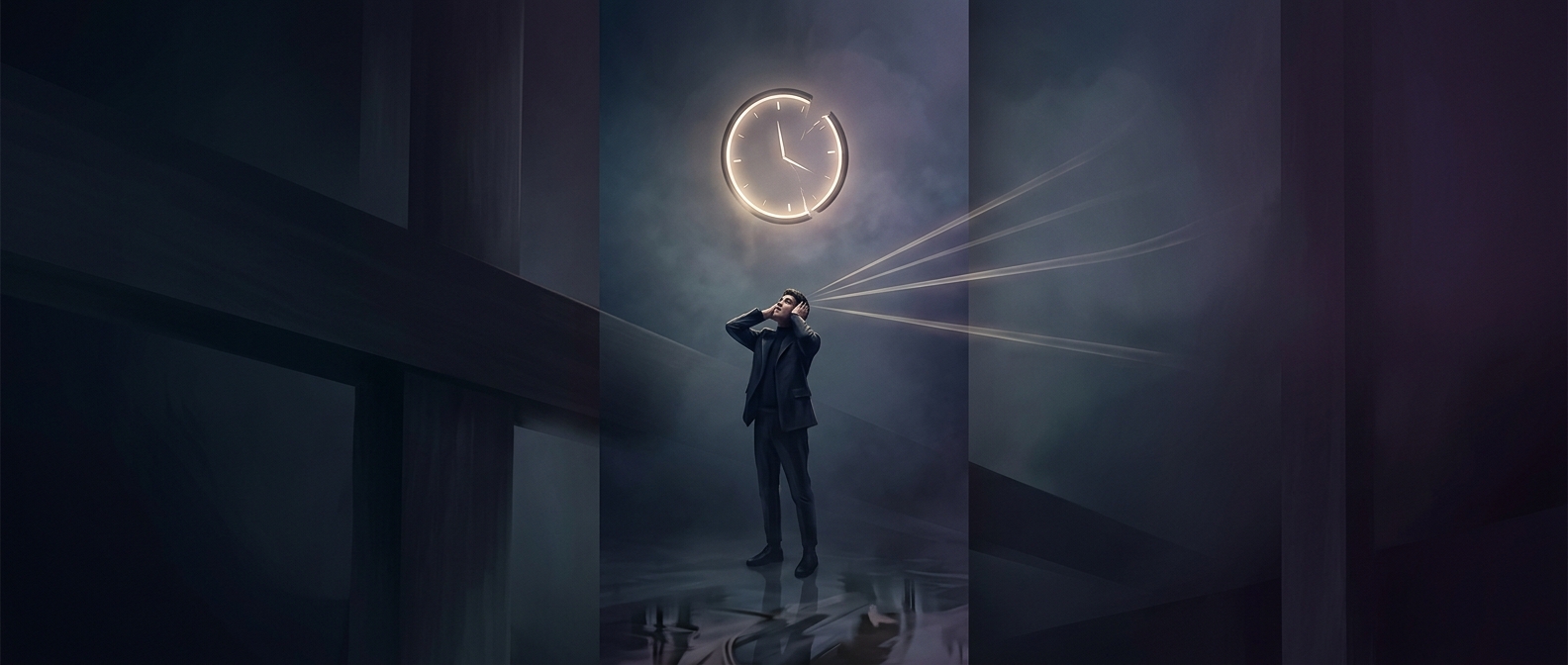
Conversation runs on tiny signals
Most talk is coordinated before anyone consciously decides whose turn it is. A falling pitch, a pause at the end of a sentence, a breath, or a slight shift in gaze can suggest that one person is finished—or that they are still gathering a thought. Listeners use these cues to prepare a reply, while speakers use them to hold the floor.
When the signals are ambiguous, that coordination breaks down. A pause could mean the other person is thinking, waiting for you, distracted, or ready to end the exchange. Because no single cue settles the question, you have to keep interpreting the moment instead of simply listening.
Why uncertainty feels personal
In an ordinary chat, the missing information is often about your relationship to the other person: Did my joke land? Did I interrupt? Should I say something now? That makes a quiet stretch feel more loaded than the same pause in a meeting where everyone is waiting for a presentation to begin. The silence itself has not changed; the possible meanings have.
Trying to solve the ambiguity can make the moment harder. You monitor the other person’s face and your own last words, while also planning what to say next. That extra self-checking can make a natural response feel less available—and can stretch the pause in your perception.
The pause is not a verdict
Silence has no fixed social meaning. A friend may be searching for a word; a stranger may be signaling that the conversation is over; two people who know each other well may be comfortable saying nothing. Familiarity and setting provide context that a bare pause cannot.
A simple way out is to supply a gentle cue rather than guess: ask “What do you think?” or let the other person know you are still considering what they said. One small signal can turn an open-ended silence into a shared understanding of whose turn comes next.