Why silence becomes a mental event
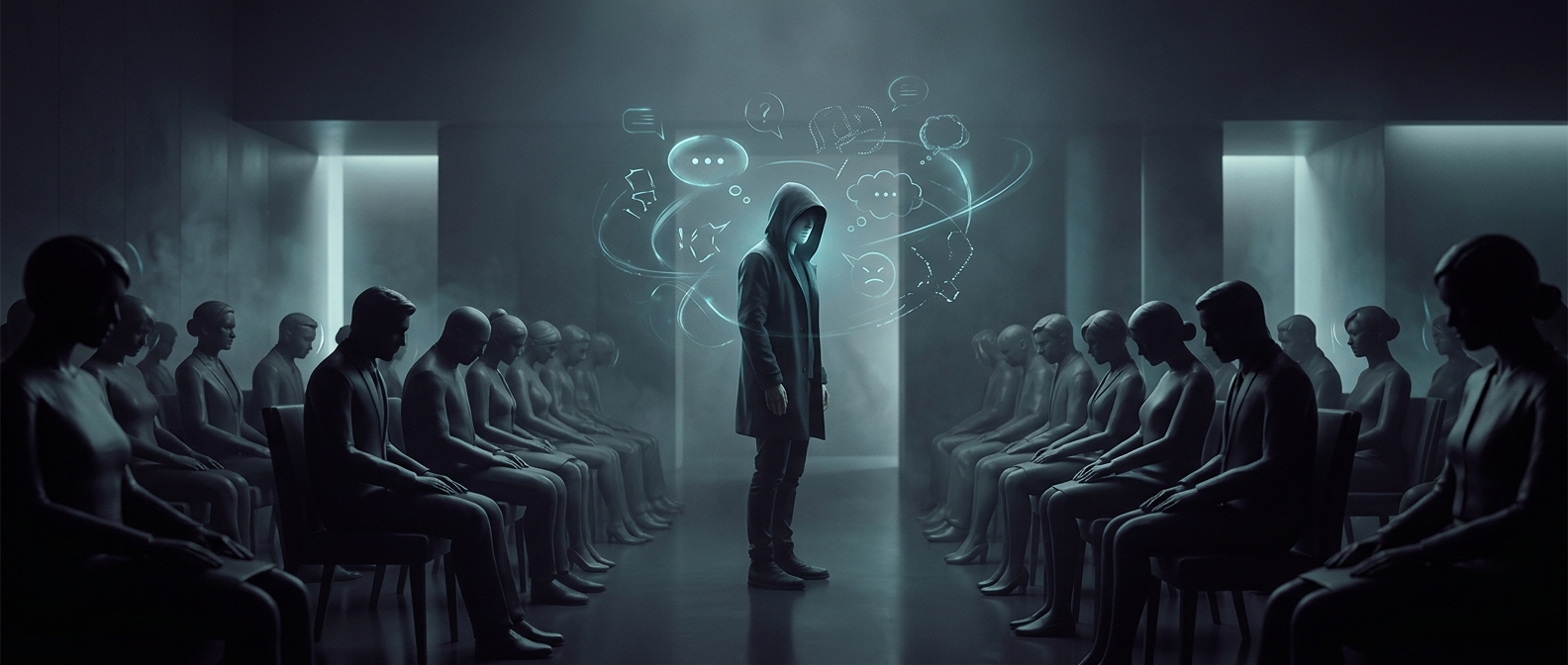
A pause in conversation is brief on the clock, but it can give your mind several jobs at once. You may replay your last sentence, scan the other person’s face for a reaction, and search for a safe next topic. That inward checking—often called self-monitoring—turns attention away from the conversation and toward the possibility that something has gone wrong.
Attention changes the felt length of a pause
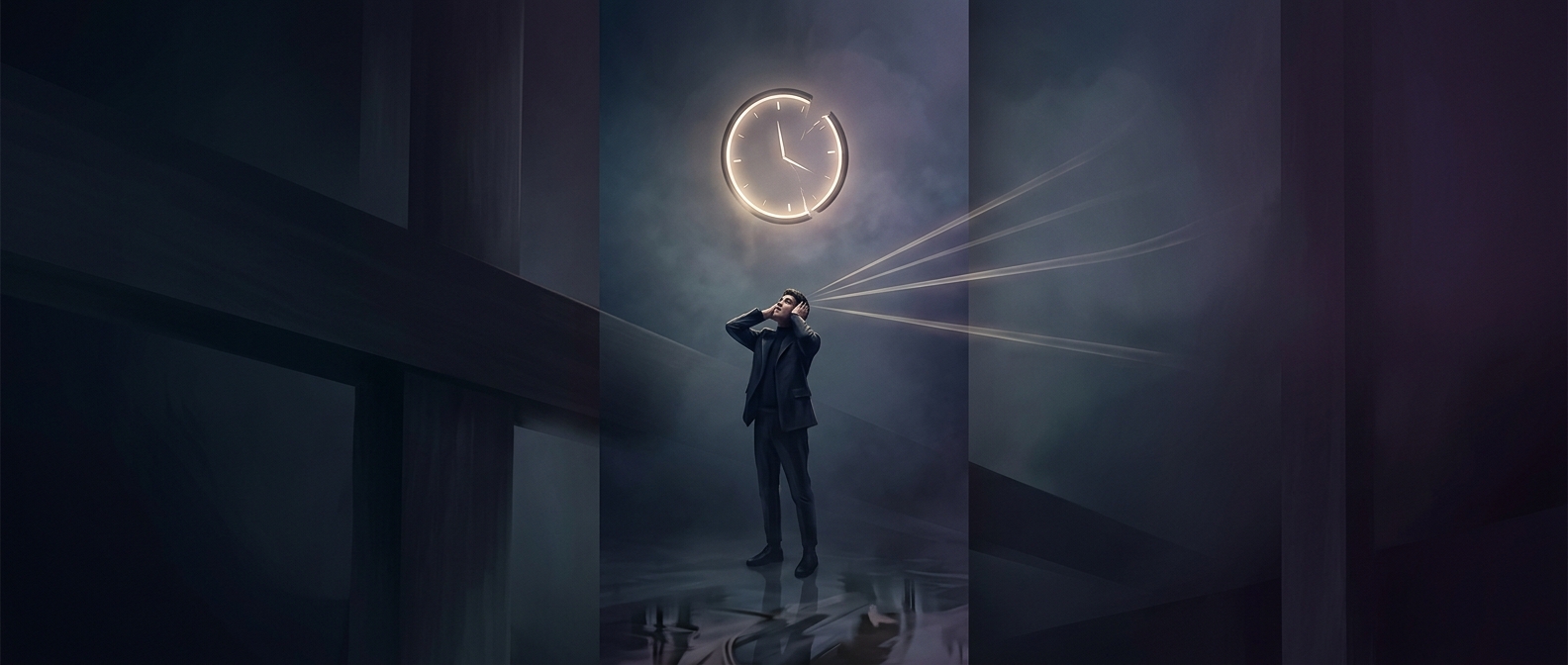
Time does not feel like a stopwatch reading. When attention is occupied by a clear task, a stretch can pass with little notice. When you keep checking how long a silence has lasted, each moment becomes noticeable in its own right. If the pause also feels socially risky, thoughts about what to say or how you are being judged can make it seem even more loaded.
That is why the same gap can feel ordinary to one person and painfully long to another. The silence itself has not necessarily changed; the listener’s attention has. And the other person may simply be thinking, taking a breath, or waiting for their turn—not judging the conversation.
The countdown can help create the pressure
Once you start treating a pause as a problem to solve, you may rush to fill it. That can make conversation feel more like a performance than an exchange, where every gap needs an explanation. Recognizing that your attention is magnifying the silence can loosen the pressure: a pause is not proof that you said something wrong. It may just be a few seconds in which both people are deciding what comes next.