How silence can look like consensus
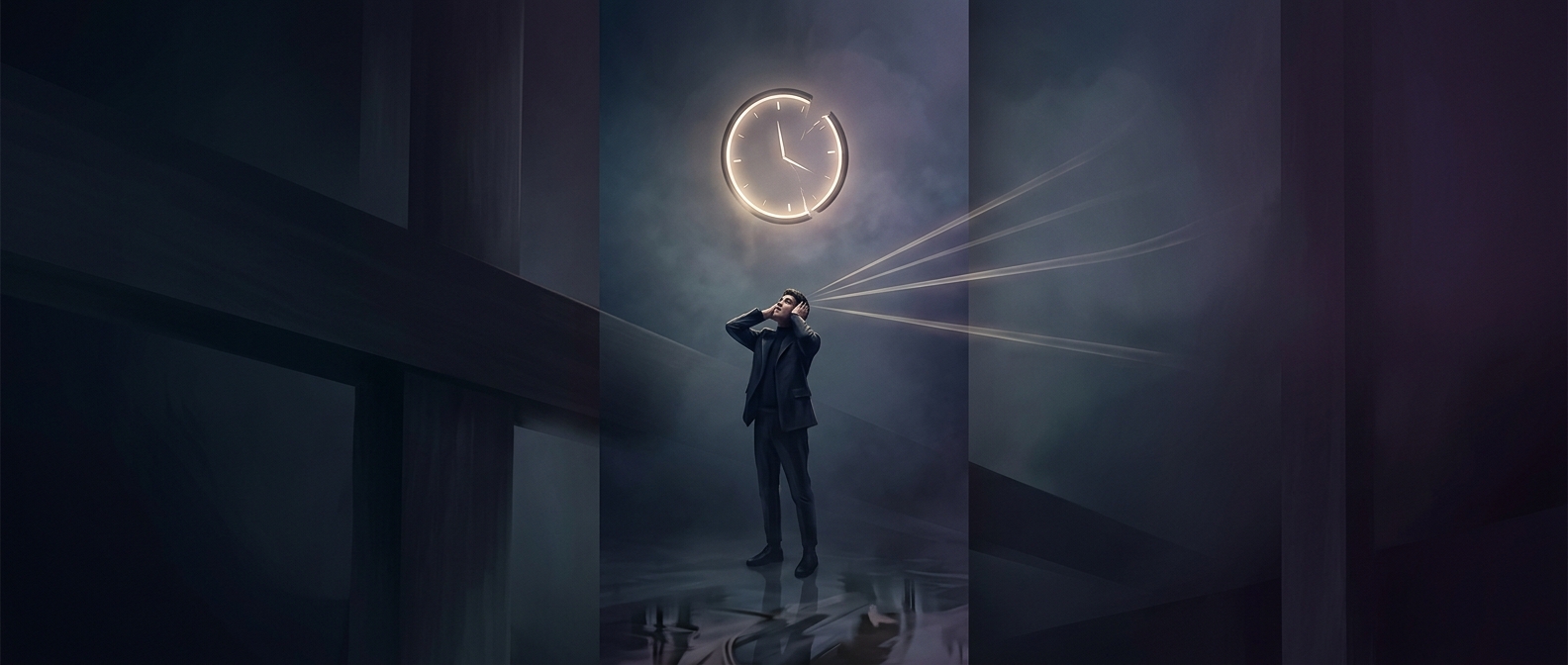
In a group, people rarely judge an opinion’s popularity by counting everyone’s private beliefs. They infer it from what they hear and see: who speaks confidently, who gets approval, and whether disagreement is met with awkwardness or ridicule. If one view is voiced repeatedly while another draws no visible support, the room can start to feel more unanimous than it is.
That perception matters because speaking up has a social cost. A person who expects eye-rolls, conflict, or exclusion may decide that correcting the impression is not worth the risk. Their silence does not show that they agree; it shows that, in that moment, staying accepted or avoiding a confrontation feels safer.
A feedback loop in the room
The process can reinforce itself. Fewer people voice a less-favored view, so the view appears even less common. Others who privately share it see little evidence that anyone else feels the same and may also hold back. Meanwhile, the people who agree with the apparent majority have more reason to speak freely.
This is often called the spiral of silence: perceived social disapproval can discourage people from expressing a view, and their silence can strengthen the appearance that the view is marginal. It is not a guarantee that every quiet person disagrees, or that every outspoken position is truly dominant. The key is that people react to what they think the group believes, not just to the group’s actual private opinions.
What changes the decision to speak
The risk is not identical in every setting. A person may be more willing to disagree when the group feels supportive, when others have already expressed a similar view, or when the topic matters enough to justify possible friction. A clear invitation to dissent can also make disagreement feel less like a personal challenge and more like part of the discussion.
That is why a room’s apparent agreement can be fragile: one person voicing a previously hidden view may reveal that several others were waiting for a sign they were not alone.