Why a Friend’s Movie Taste Can Catch You Off Guard
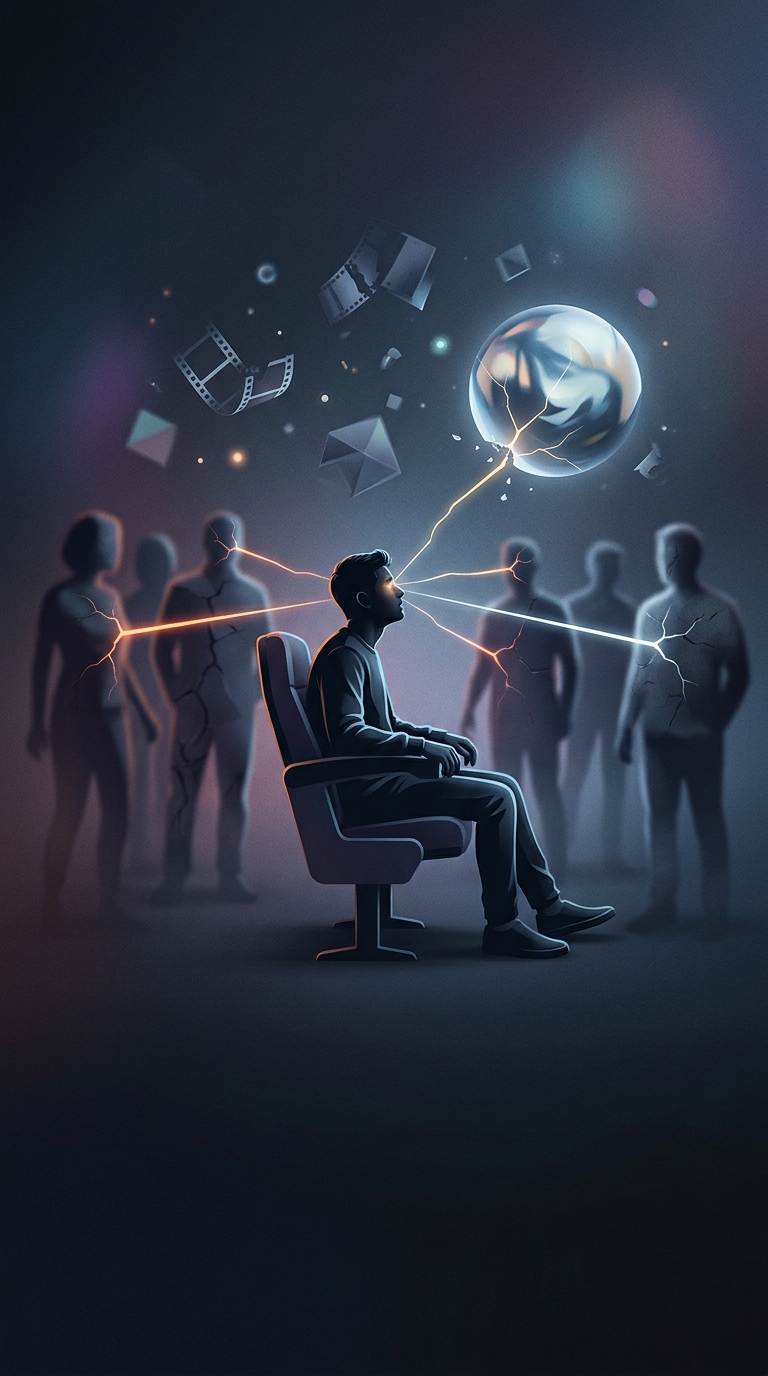
Close friendship gives you a detailed mental model of another person: what makes them laugh, which stories move them, and what they usually enjoy. The mind uses that knowledge to predict what they’ll like next. If a movie became part of your shared vocabulary—quoted on long drives, revisited at parties, or tied to a memorable night—you may start treating their familiarity with it as evidence that they love it too.
But knowing someone well does not mean sharing their private preferences. They might enjoy the jokes and still dislike the pacing, or like watching the film with you without caring for the film itself. Those distinctions are easy to miss when the movie feels like common ground.
The “People Like Me” Shortcut
People often assume that others’ opinions resemble their own, especially when they belong to the same social circle. Psychologists call this tendency the false-consensus effect: we can overestimate how widely our own views are shared. With a close friend, that shortcut gets extra force. Similar humor or values can make it seem natural to extend agreement from one topic to another, even though tastes are more specific than that.
A favorite film can also become part of how you express yourself. If it means something to you, discovering a friend dislikes it may feel like a judgment of your taste—or, briefly, of your connection. The surprise is not proof that the friendship was less genuine; it is a sign that you had mistaken closeness for complete agreement.
Why You May Hear About It Late
A friend may not volunteer a negative opinion if the movie comes up as your favorite, particularly when there is little to gain from disagreeing. Or the subject may simply never have arisen. Either way, the delayed reveal can make the difference seem more dramatic than it is. Often, the most surprising part is not that a close friend has a different opinion, but that you had quietly stopped imagining they might.