Why a Planning Note Changes the Post
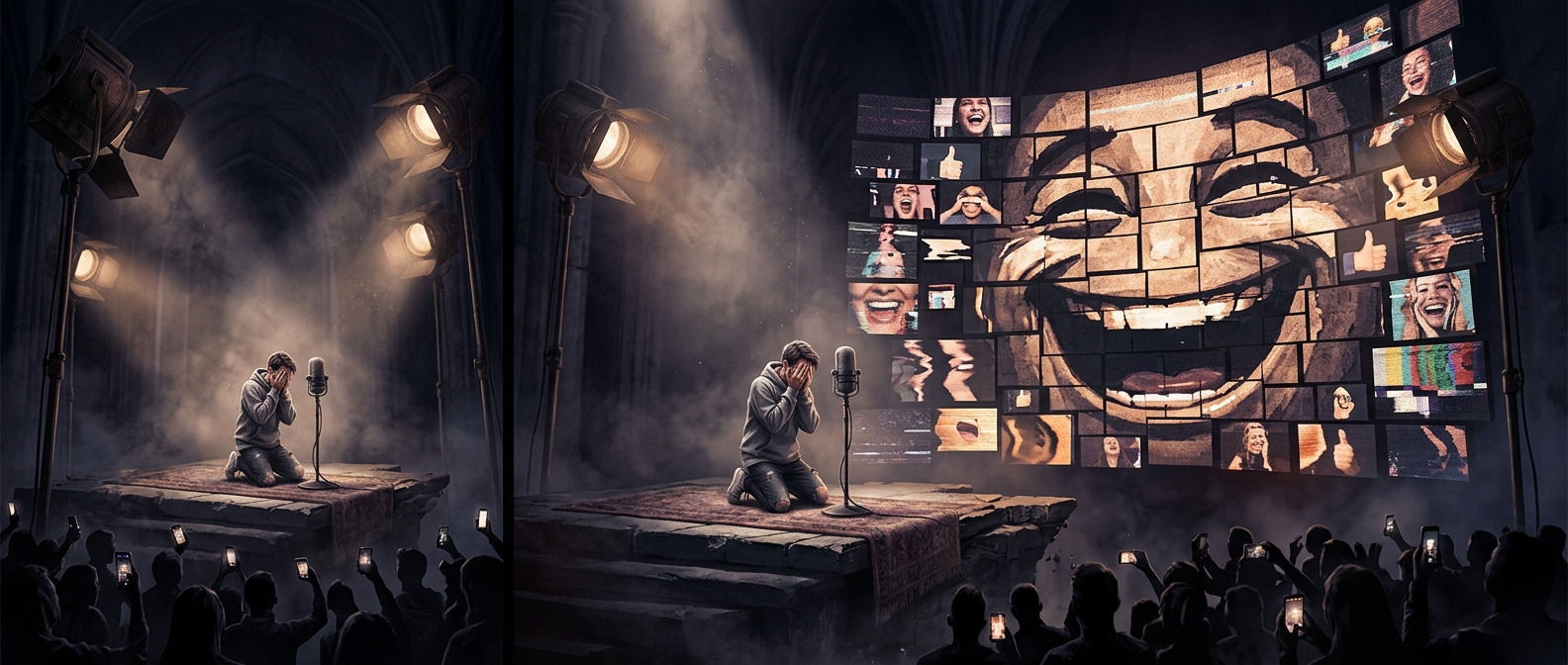
A caption that includes a stray instruction—such as “add personal detail here”—does more than reveal a copying mistake. It exposes the gap between a feeling as experienced and a feeling as presented. The audience thought it was reading a spontaneous confession; the note makes visible the work of shaping that confession for publication.
Creators often draft posts from outlines, email briefs, or notes, then revise them into a conversational voice. That process is not unusual: people routinely choose what to share and how to say it. But when a private prompt survives into the finished caption, the editing process becomes part of the story. Readers may start wondering which details were selected to sound intimate, and what response the post was designed to invite.
How “Authentic” Becomes a Style
Online, authenticity is partly communicated through recognizable signals: direct address, informal wording, personal struggle, and apparent candor. A polished post can use those signals deliberately, just as a carefully rehearsed speech can sound natural. The audience has no easy way to tell from the final wording alone whether a vulnerable disclosure was spontaneous, planned, or some mixture of both.
That uncertainty matters because emotional posts invite a different kind of attention than ordinary promotion. A reader may respond with sympathy or share a similar experience, treating the exchange as personal. If a production note appears, that sense of mutual openness can give way to suspicion—not necessarily because the creator’s feelings were invented, but because the post’s presentation now looks managed.
The Trust Cost of a Visible Seam
The mistake turns an invisible process into a visible one. Instead of simply receiving the story, readers see the machinery that helped package it. Some may still connect with the underlying experience; others may feel that their empathy was being steered toward engagement. The slip does not prove that vulnerability is false, but it can make the audience question who the post was written for. That question is what makes a tiny leftover note feel so revealing.