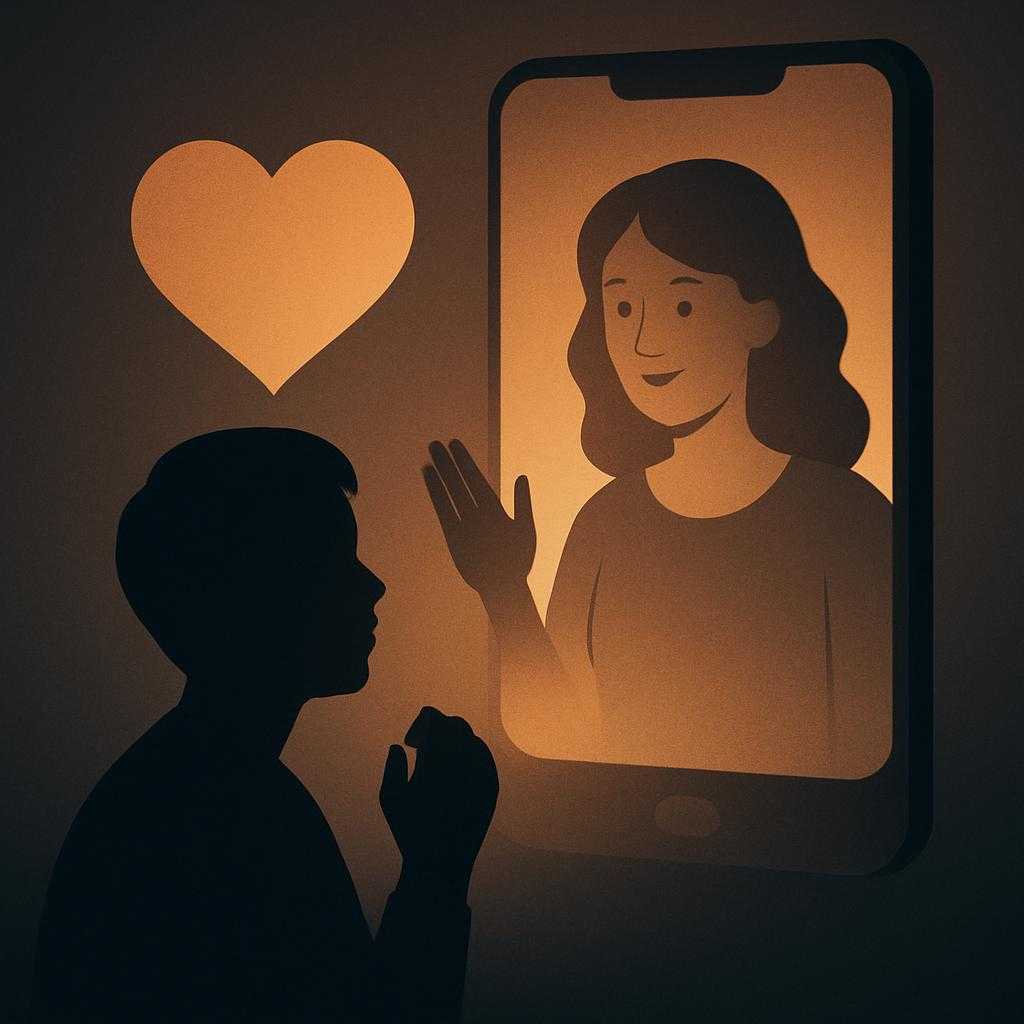
The mind treats a familiar voice as socially meaningful
The term is parasocial relationship: a one-sided bond in which someone feels they know a public figure who does not know them personally. The idea predates social media; audiences formed such attachments to radio hosts, actors, and fictional characters. What makes the bond feel real is not mutual contact, but repeated exposure to a recognizable person sharing expressions, stories, and opinions.
Our social instincts are tuned to notice faces, voices, and signs of attention. When a creator speaks directly to a camera, uses a viewer’s preferred name, or answers comments, the interaction can resemble ordinary conversation. The viewer responds emotionally to that familiar presence even though the creator is addressing a large audience, not building an individual friendship.
Platforms make familiarity feel interactive
Streaming and social media add small, immediate exchanges to the older formula. A creator may read a chat message, respond to a question, or let followers watch routines unfold over time. These moments provide real feedback, but they do not necessarily make the relationship reciprocal: the audience member may know a great deal about the creator, while the creator knows little or nothing about that individual.
That imbalance is the defining feature—not the strength of the viewer’s feelings. A parasocial bond can offer comfort, entertainment, or a sense of belonging, much like attachment to a familiar character. It becomes more concerning when it crowds out relationships with people who can respond and share responsibility.
The practical distinction is simple: feeling close is real, but closeness alone does not mean the other person knows you.