How a Familiar Face Becomes Part of Daily Life
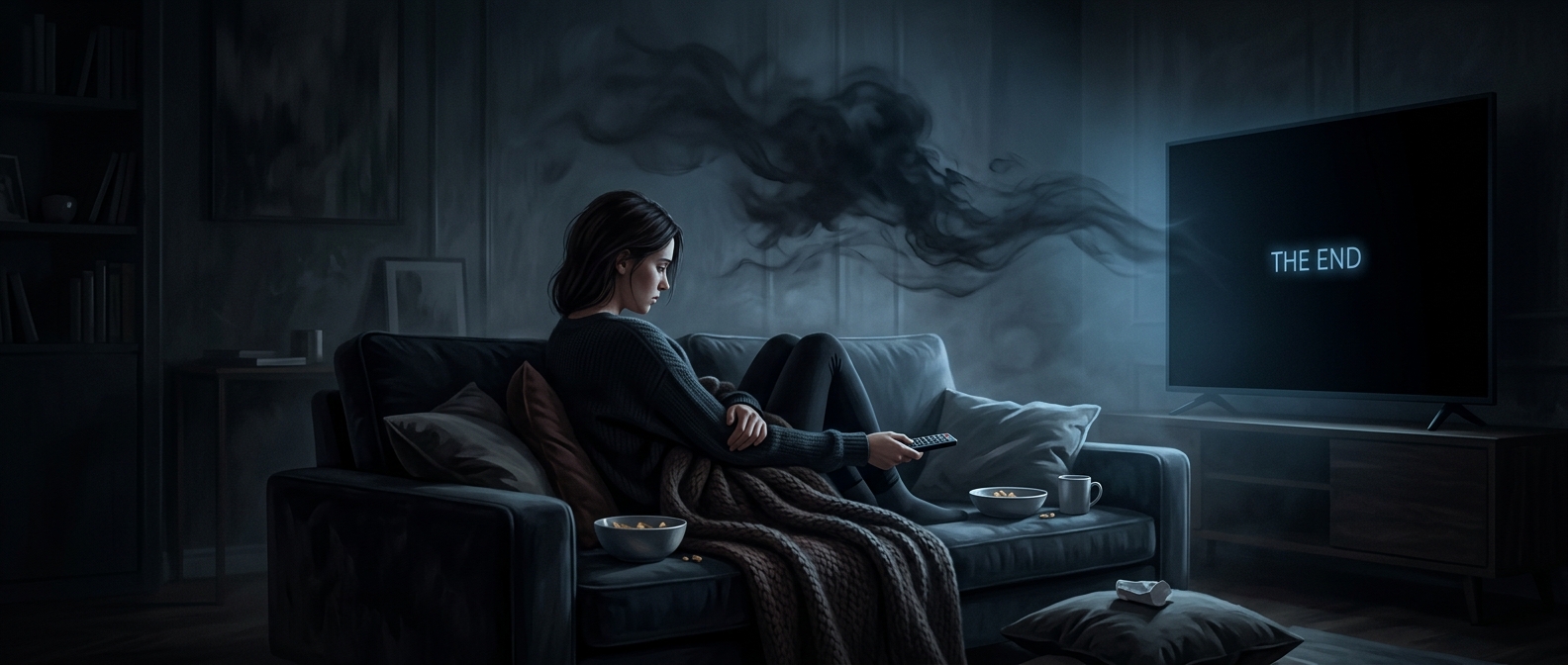
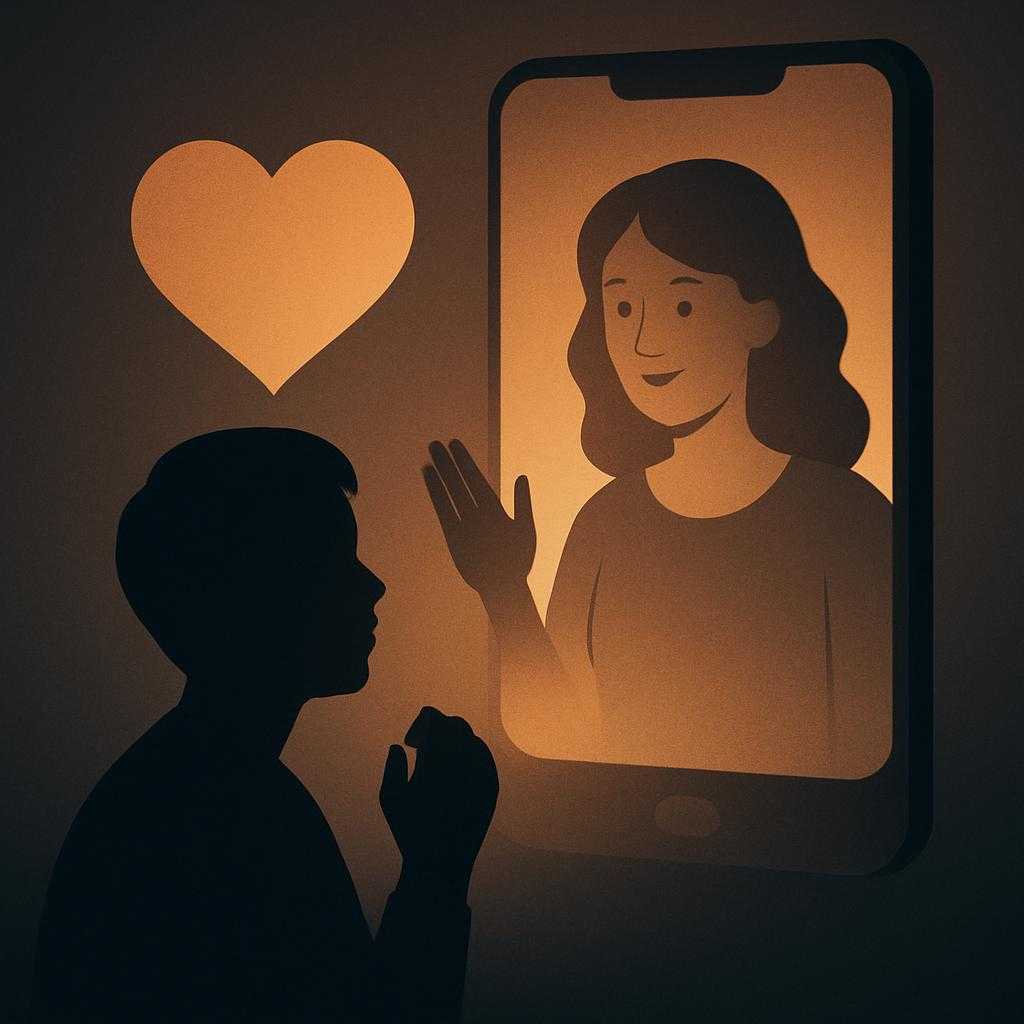
Repeated exposure can make a public figure feel familiar in a way that resembles knowing someone personally. You may recognize an actor’s voice, expressions, and mannerisms, and encounter them in private settings—on a screen at home, during a commute, or while winding down at night. The relationship is still one-sided: the celebrity does not know you. But the feelings and associations formed on your side can be genuine.
Psychologists often call this a parasocial relationship: a sense of connection with someone who cannot respond to you as an individual. It can grow through routine, familiarity, and the impression of access created by interviews, performances, or social media. A character may also become linked to a particular period in your life, so seeing the actor brings back memories beyond the show itself.
Why the Death Can Feel Personal
When that person dies, the loss can disrupt more than entertainment. A familiar presence disappears from a routine, and the future no longer includes new performances or updates to anticipate. The death may also stir memories of the time and people associated with that figure. In that sense, grief can involve both the person and the private history you connected to them.
The experience is not identical to losing a friend or family member. There was no shared, two-way life, and the bereaved person may have little role in public rituals or support around the death. That difference does not make the sadness fake; it helps explain why the feeling can be real while its shape is unusual.
A Loss With Few Obvious Rituals
Because the bond was private, people may feel awkward explaining why they are upset or assume they should simply move on. Naming what the figure represented—a comforting voice, a beloved role, or a marker of a particular chapter—can make the reaction easier to understand. Sometimes what is missed is not only the celebrity, but the familiar place they occupied in an ordinary day.