Why a filmed breakdown can feel staged
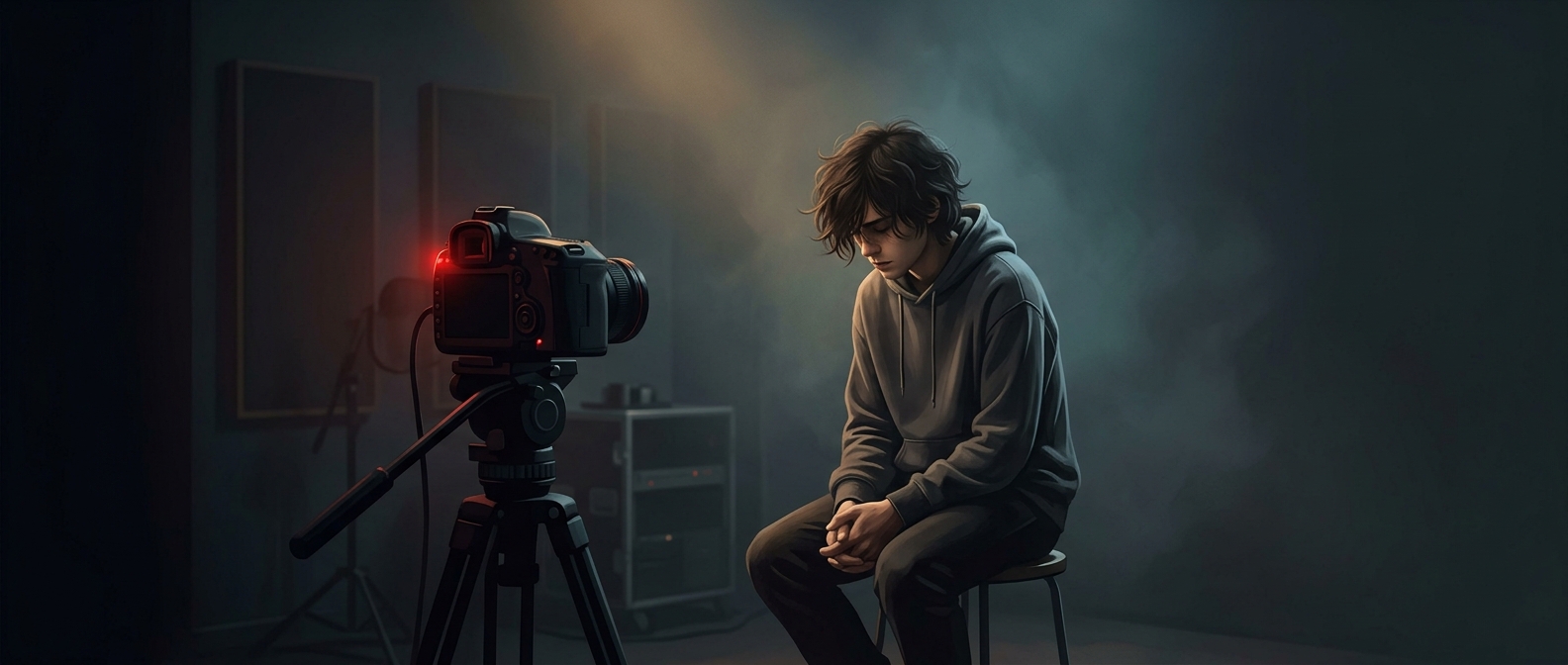
Crying is usually read as an involuntary response: emotion seems to overtake a person before they can manage how they look. A camera changes that reading. When someone positions a phone, checks the frame, and speaks directly to an audience, viewers see signs of preparation alongside signs of distress. The tears may be real, but the setup makes it harder to tell where the feeling ends and the performance begins.
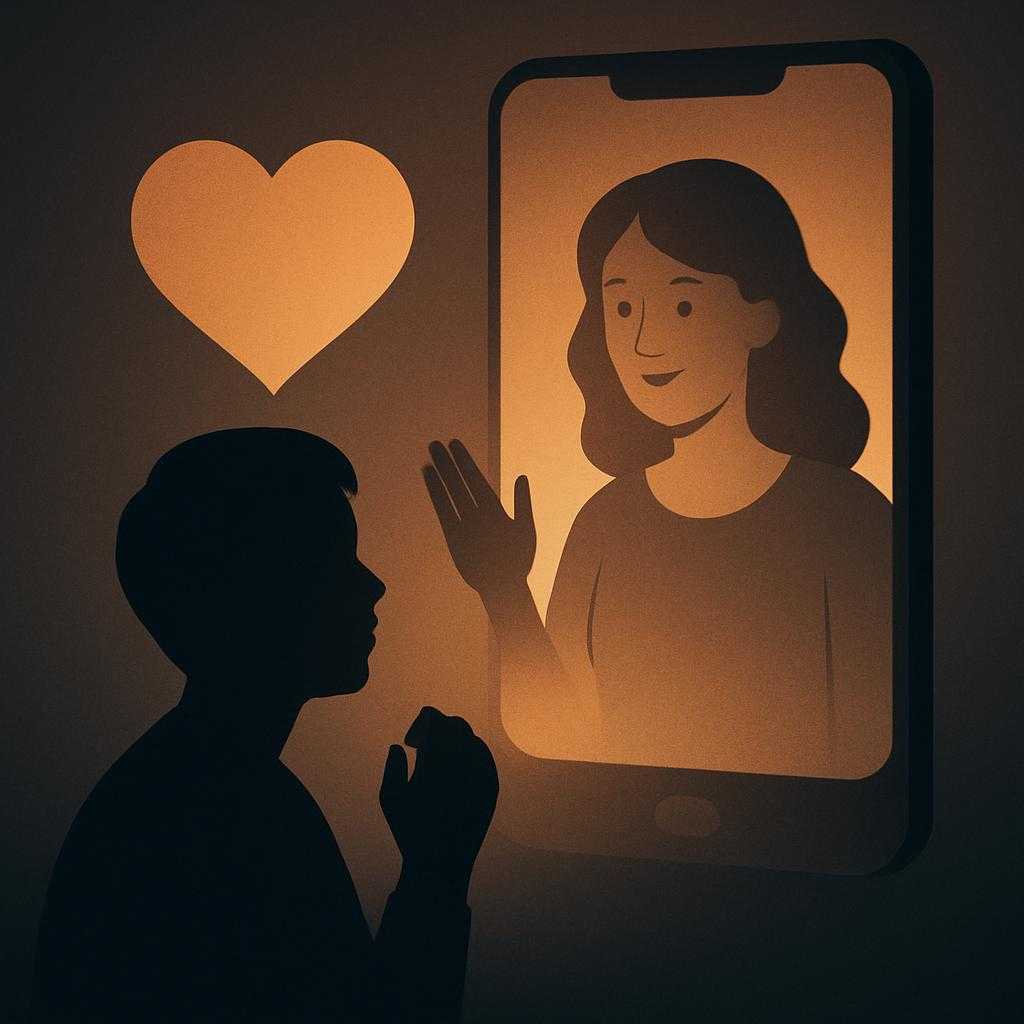
That tension is especially strong online, where people routinely shape what they share. A creator may be trying to show a less polished side, explain a difficult moment, or connect with followers. Yet the visible act of recording invites another interpretation: this vulnerable moment is also being presented for an audience.
The discomfort of watching the performance
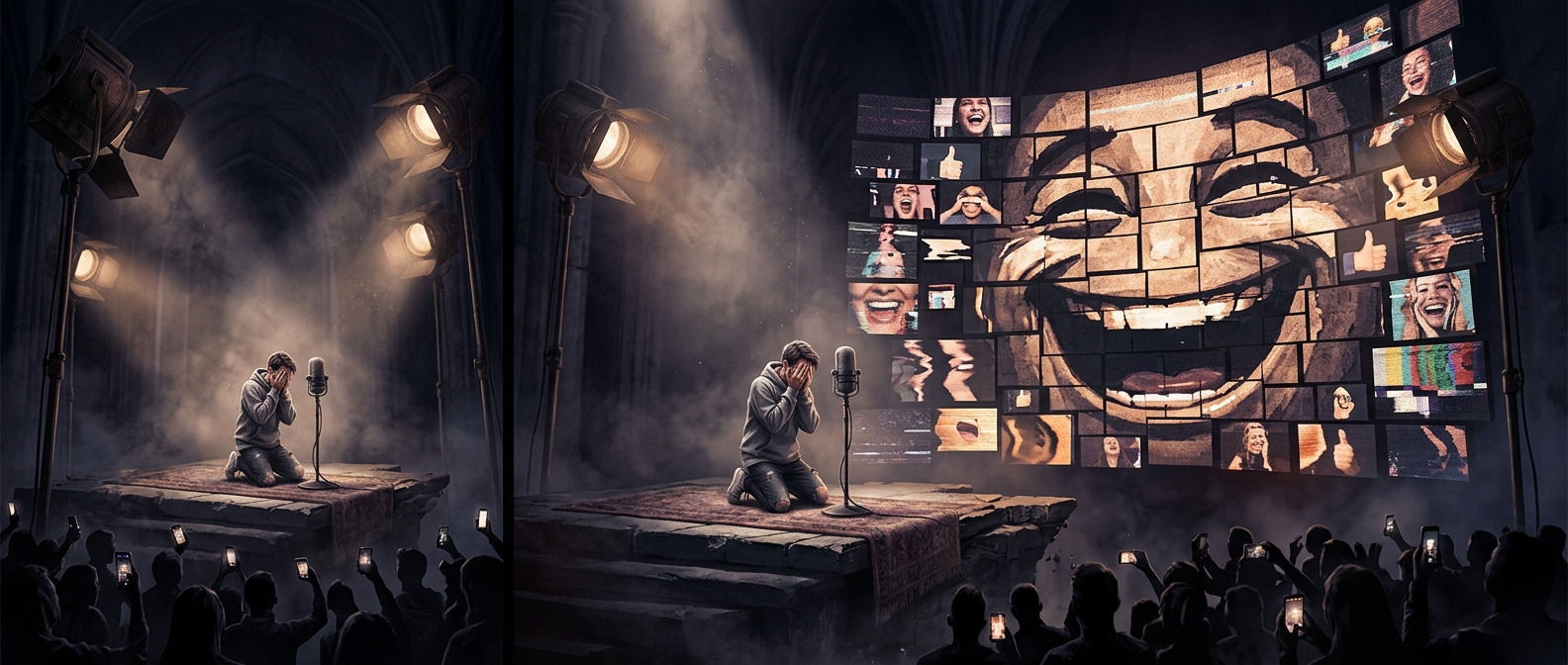
Viewers often respond not just to the emotion, but to the mismatch between the scene’s intimacy and its public framing. Crying ordinarily belongs to a private conversation or an unplanned moment; a carefully composed video asks strangers to witness it. If the delivery seems controlled while the emotion is presented as uncontrolled, the gap can feel awkward rather than moving.
That awkwardness is a form of social discomfort. People instinctively track whether a situation feels appropriate and sincere. When they cannot settle on whether they are watching a personal disclosure or a bid for attention, they may feel embarrassed on the creator’s behalf—a reaction commonly called secondhand embarrassment. Looking away or scrolling past is an easy way to escape that unresolved feeling.
Why good intentions may not help
Trying to appear relatable can therefore undermine the very connection the creator wants. The more a video highlights its own vulnerability, the more viewers may notice the choices involved in presenting it: the framing, the timing, and the imagined audience. The emotional moment has to compete with the evidence that it is being staged for public viewing. When those cues clash, the camera can make a sincere feeling look calculated—and turn an attempt at closeness into a scene people find difficult to watch.