Why One Person’s Reaction Can Change a Crowd
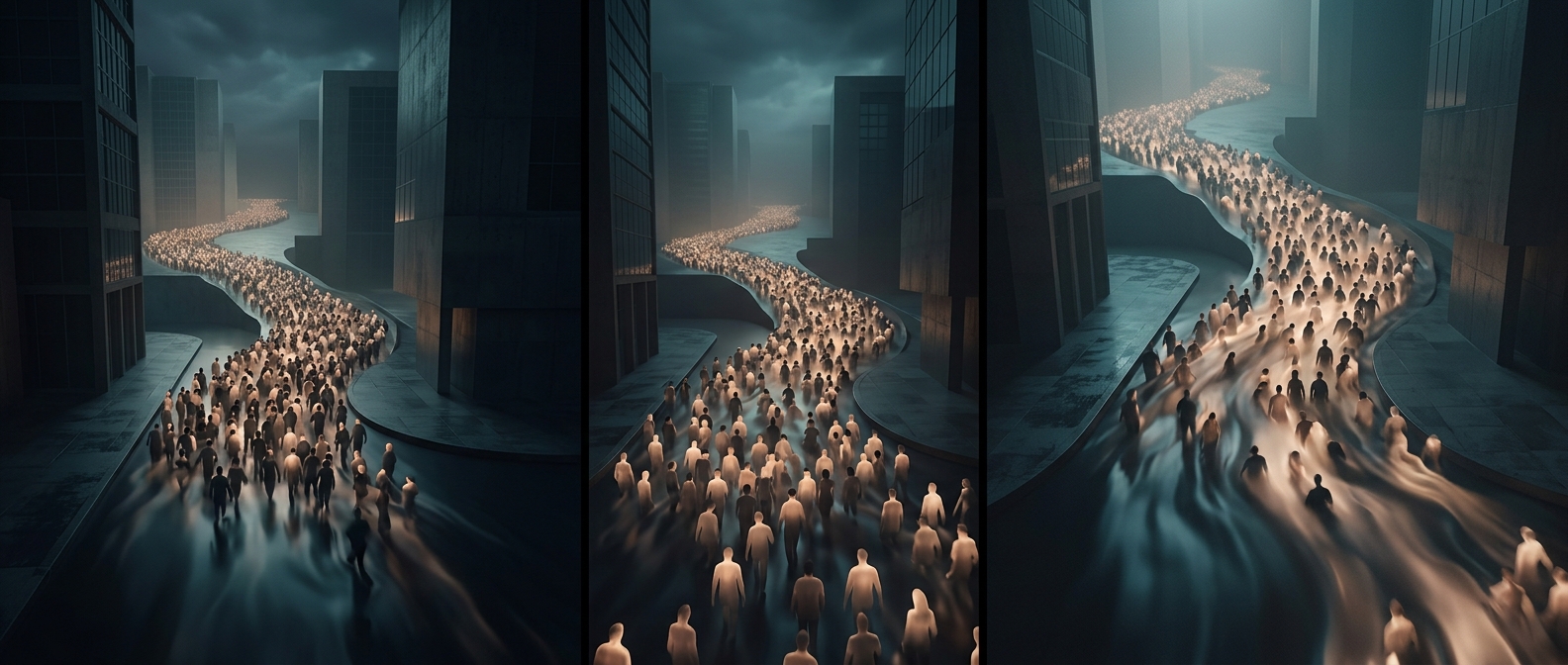
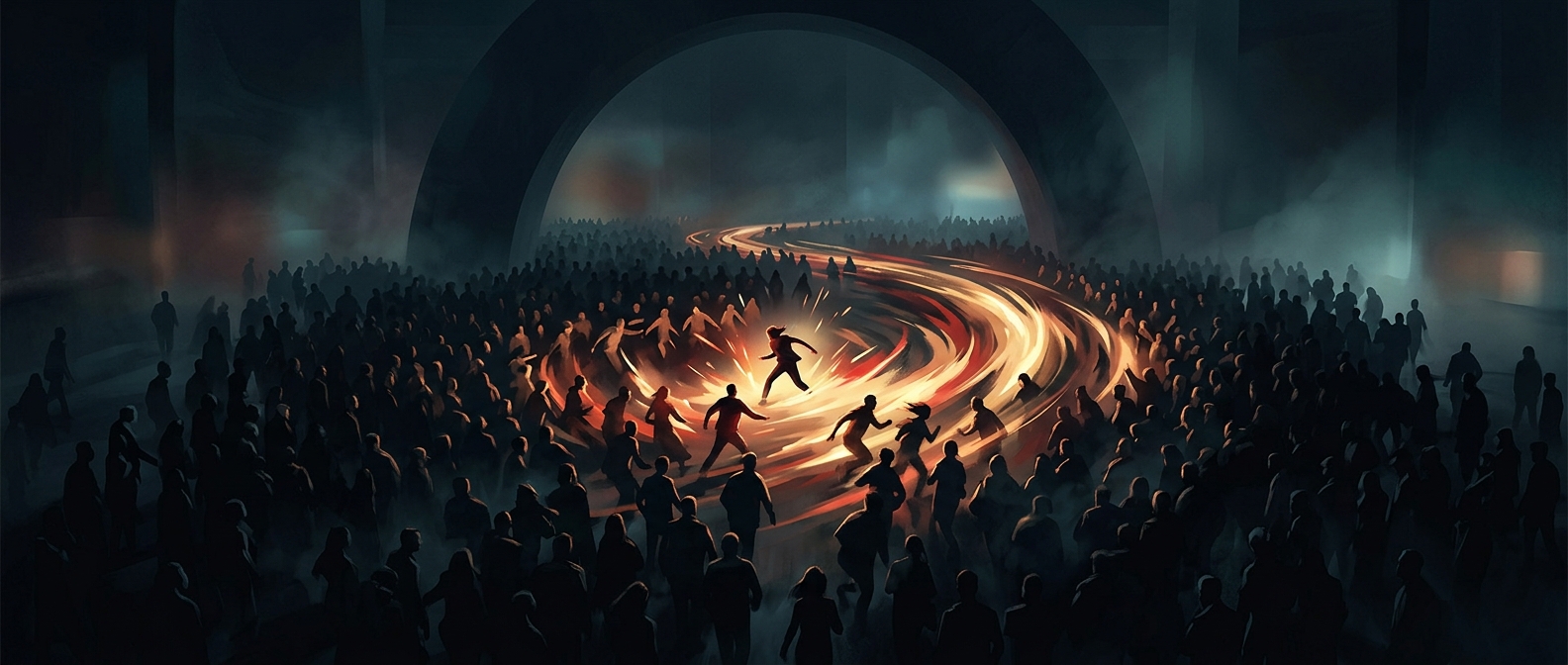
Imagine hearing a sharp bang in a busy station. You can’t see what caused it, but you notice someone nearby sprinting toward an exit. Their movement becomes information: perhaps they saw a danger you missed. Others follow, and their sudden rush makes the first person’s alarm look more justified.
Psychologists call this kind of judgment social information: when a situation is unclear, people use others’ behavior to help decide what is happening. A glance toward a doorway, a warning shouted over the noise, or a wave of people changing direction can all act as clues. The problem is that these clues reveal reactions, not necessarily the reason for them.
How Alarm Builds on Itself
Each person is responding to a slightly different slice of the scene. Someone near the sound may move first; people farther away may see only the movement. As more bodies hurry or voices rise, the original uncertainty is harder to distinguish from evidence of an immediate threat.
Movement also changes what people can perceive. A surge can block sightlines, drown out calm instructions, and make it difficult to pause and check what is happening. People may then copy the nearest visible response—not because they have reached the same conclusion, but because acting quickly seems safer than waiting alone.
This feedback loop does not require a crowd to think as one. It can emerge from many individual decisions made under pressure, each shaped by the reactions around them. Clear, credible information can interrupt the loop by giving people a better explanation than the crowd’s behavior alone. Until then, the most visible response may become the crowd’s strongest—and most misleading—clue.