Why a blush can soften a mistake
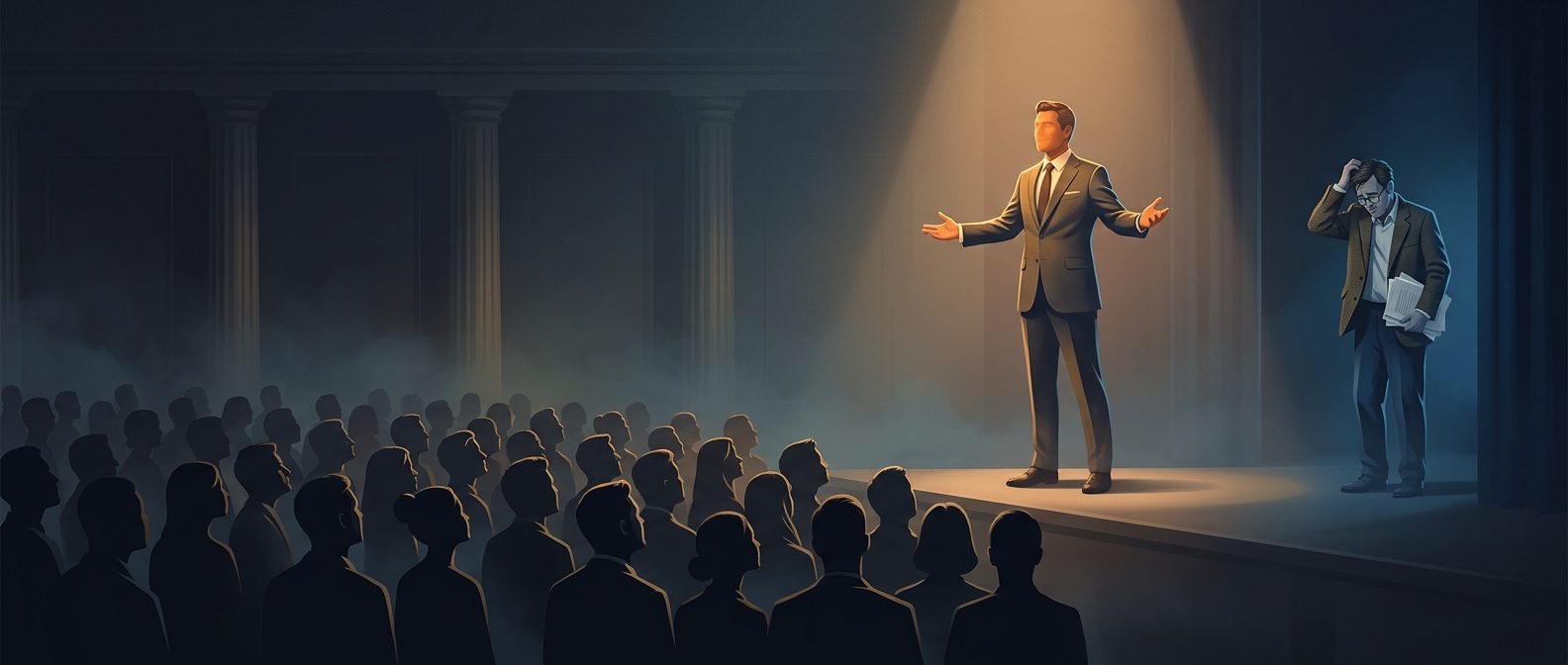
After a social slip—a name forgotten, a joke that lands badly, a minor rule broken—people are watching not only what happened but how the person responds. A blush can look like a visible sign that the person recognizes the awkwardness and cares about its effect on others. That impression may make the mistake seem less like deliberate disrespect.
An involuntary signal, interpreted socially
Blushing happens when blood flow increases in the skin of the face, often during self-conscious emotions such as embarrassment. Because it is difficult to produce on command, an observer may treat it as a more spontaneous response than a polished apology. The blush does not prove remorse; it gives other people a cue they may interpret as embarrassment, self-awareness, or concern about having crossed a line.
That interpretation can change the meaning of the same mistake. Someone who appears unbothered may seem careless or defiant. Someone who blushes may seem to be acknowledging the social breach, even before they find the right words. The visible discomfort can therefore help restore trust by suggesting that the person understands why the moment matters.
A cue, not a substitute for repair
The effect depends on context. A blush cannot establish what someone intended, and it does not undo harm. If the person repeats the behavior or refuses to take responsibility, the initial signal is unlikely to carry much weight. A straightforward apology or corrective action gives observers stronger evidence of accountability.
The useful distinction is between looking aware of a mistake and actually making it right. A blush may buy a person a more sympathetic reading in the moment; what they do next determines whether that trust lasts.