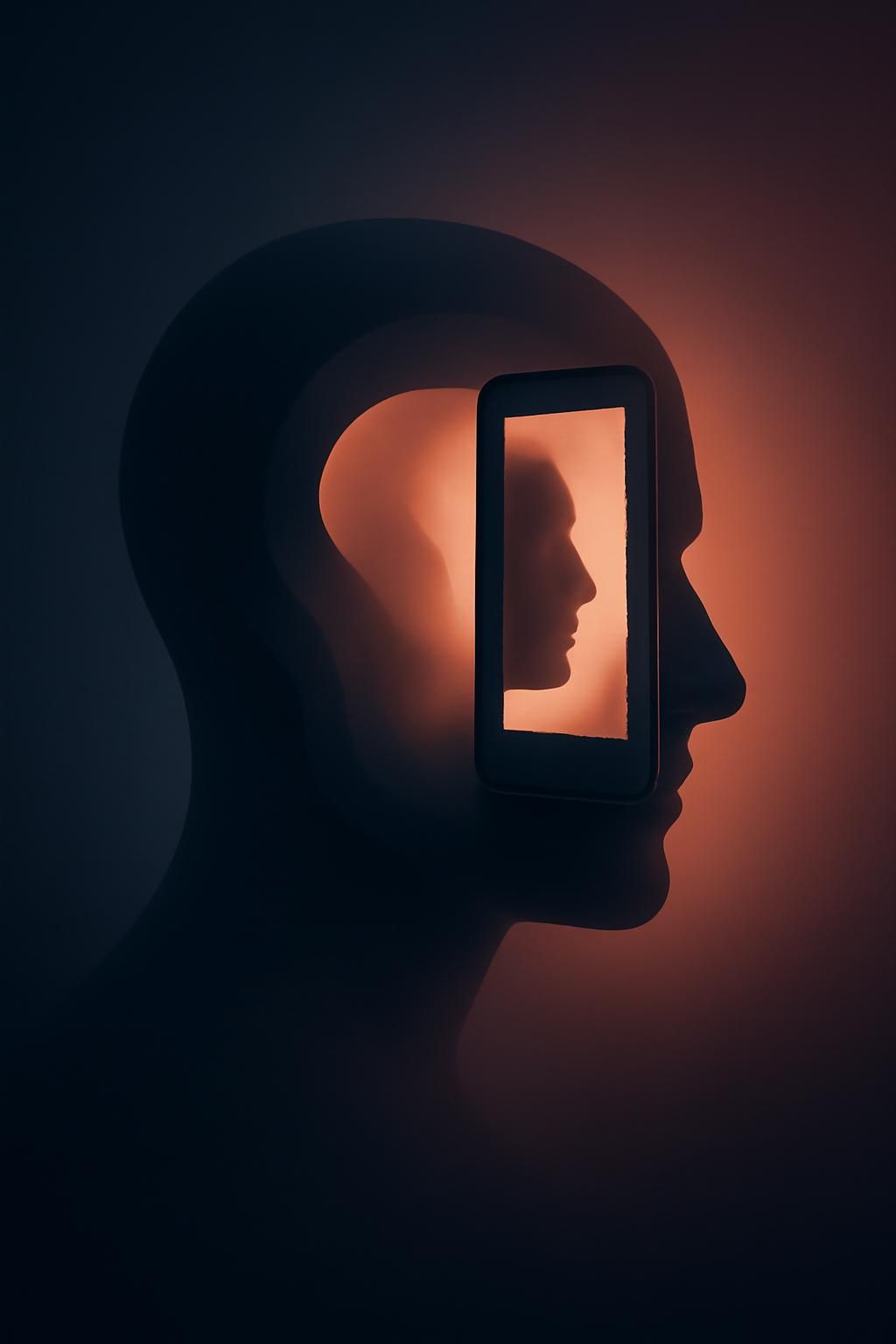
How a Glimpse Becomes a First Impression
When a face appears, the brain does not wait to build a complete, deliberate account of the person. It rapidly extracts visual cues—such as a smile or frown, where the eyes are directed, and the face’s overall shape—and combines them into an initial impression. That impression is a quick interpretation, not a reliable reading of someone’s character.
The speed makes sense as a feature of perception: the brain has to organize incoming visual information while events are unfolding. A brief look can be enough to register whether a face seems friendly, threatening, or attentive. But those judgments are not all equally grounded. A visible expression may reflect a moment; a conclusion about honesty or personality goes beyond what the glimpse can establish.
Why the First Read Can Stick
Once an impression forms, it can become a lens for what follows. If someone initially seems hostile, a later neutral expression may be read as coldness; the same behavior might look harmless in a person who first seemed welcoming. This is a form of confirmation bias: people tend to notice or interpret new information in ways that fit an existing expectation.
The result is not that every first impression is wrong. It is that the speed of a judgment can make it feel more certain than the evidence warrants. Pausing before treating that first read as a verdict leaves room for later behavior—and better information—to change it.