How a hunch forms before an explanation
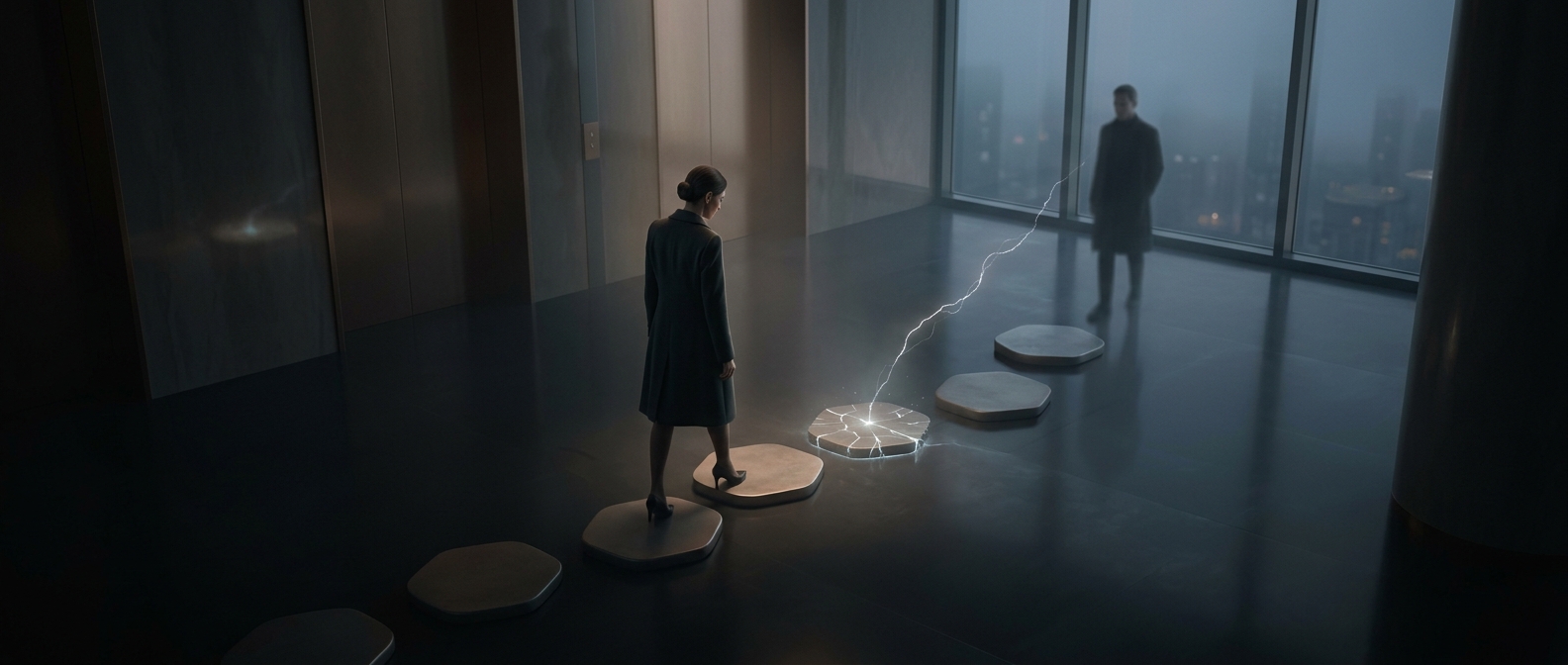
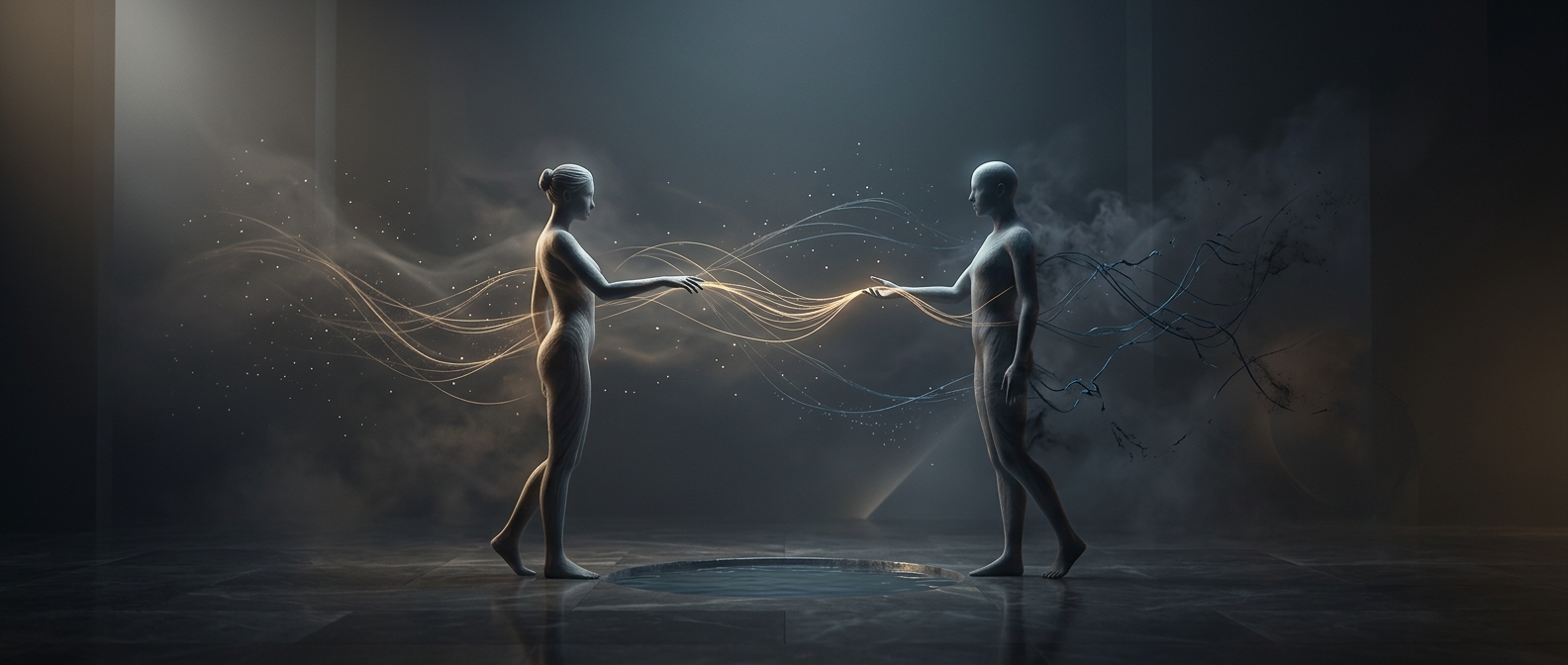
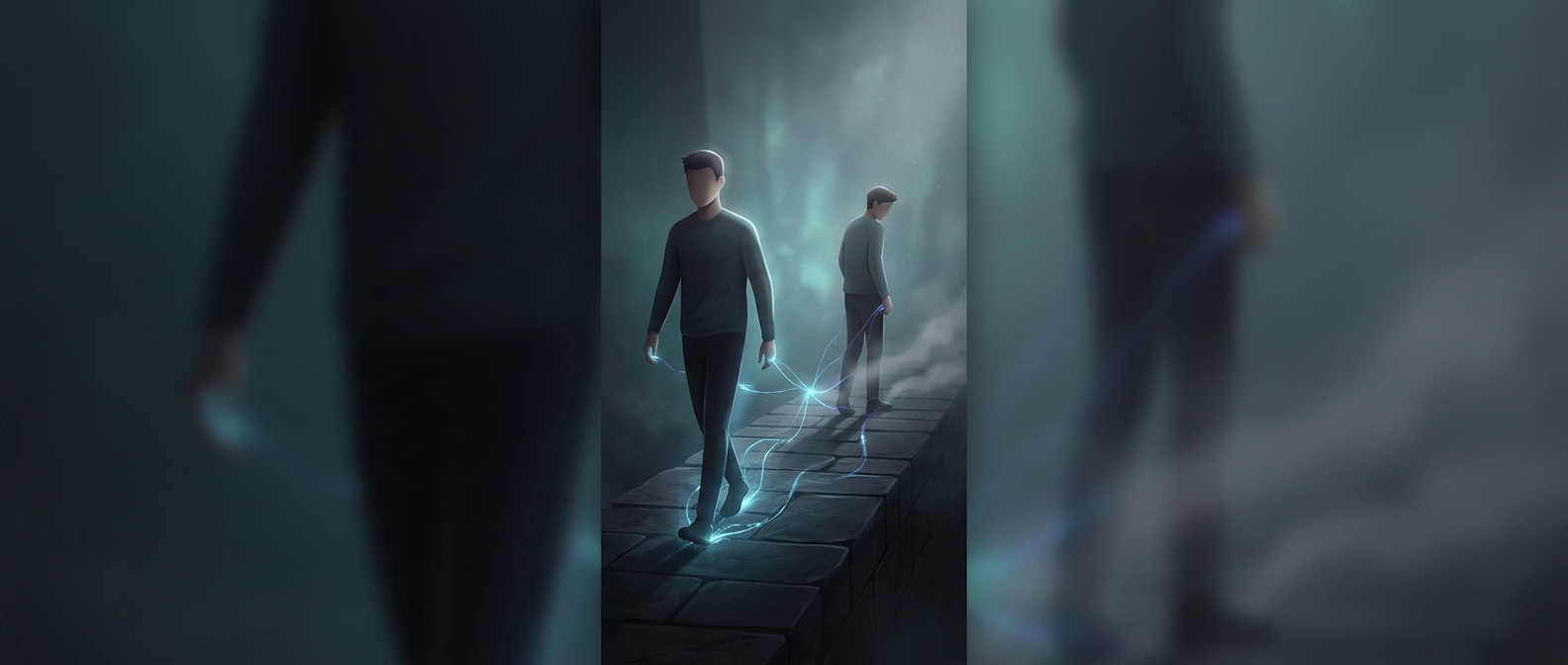
You may feel that a conversation has gone wrong before you can point to a particular sentence. That reaction can emerge because the brain is constantly comparing what is happening with what it has learned to expect. It notices patterns in details such as timing, tone, facial expression, and a person’s usual way of responding—even when you are not deliberately analyzing them.
These details are often too small or numerous to bring to mind one by one. But their combined mismatch with expectations can still influence your mood or attention. The result may feel like a simple gut feeling rather than a conclusion reached step by step.
The feeling is a signal, not a verdict
Psychologists often describe this kind of rapid judgment as intuition: a conclusion shaped by learned patterns without a clear, conscious account of how it was reached. It can be useful when you have enough experience with a situation to recognize meaningful cues quickly. An experienced nurse, for example, may notice that a patient seems unusually unwell before being able to name the specific change.
But a hunch can also reflect incomplete information, anxiety, or an expectation that does not fit the situation. The feeling tells you that something has caught your attention; it does not establish what caused it. Asking what changed, and looking for observable details, can turn an impression into something you can assess.
Making the hidden evidence visible
A practical next step is to name the cue behind the feeling: Was someone’s tone different? Did their response break a familiar pattern? If no concrete cue comes to mind, it may be worth waiting for more information rather than treating the first interpretation as fact.
A gut feeling can be the mind’s early warning that a pattern deserves a closer look. Its value lies not in being infallible, but in prompting the question you had not yet realized you were asking.