The Social Work That Keeps a Guild Together
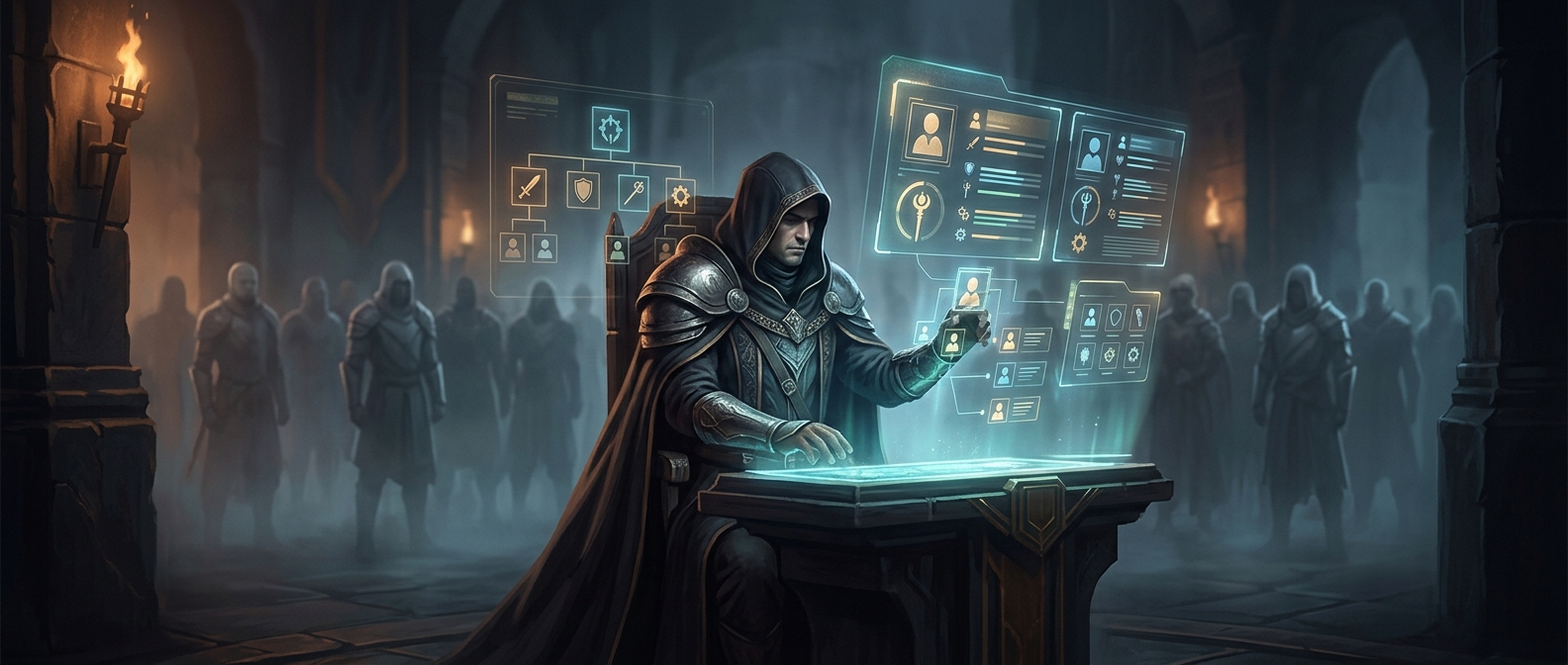
A gaming guild is more than a roster of players: it is a recurring group with shared goals, uneven schedules, and different ideas about what counts as fun. That makes coordination a people problem as much as a gameplay problem. Someone has to turn vague expectations—show up prepared, make room for others, handle mistakes respectfully—into norms members can actually follow.
Why Small Conflicts Can Become Group Problems
In a raid, one player’s missed cue may cost the whole team time. But the response matters beyond that attempt. If criticism feels humiliating, a newer member may stop speaking up or leave; if every disagreement is ignored, resentment can build. Leaders often have to distinguish a one-time mistake from a pattern, explain decisions, and give people a way to repair friction without making every dispute a public spectacle.
That work is a form of emotional labor: managing your own reactions while helping others feel heard and keeping the group focused. It can be especially easy to overlook because success looks like nothing happening—no argument derails the session, and people come back next week.
The Cost of Being the Reliable One
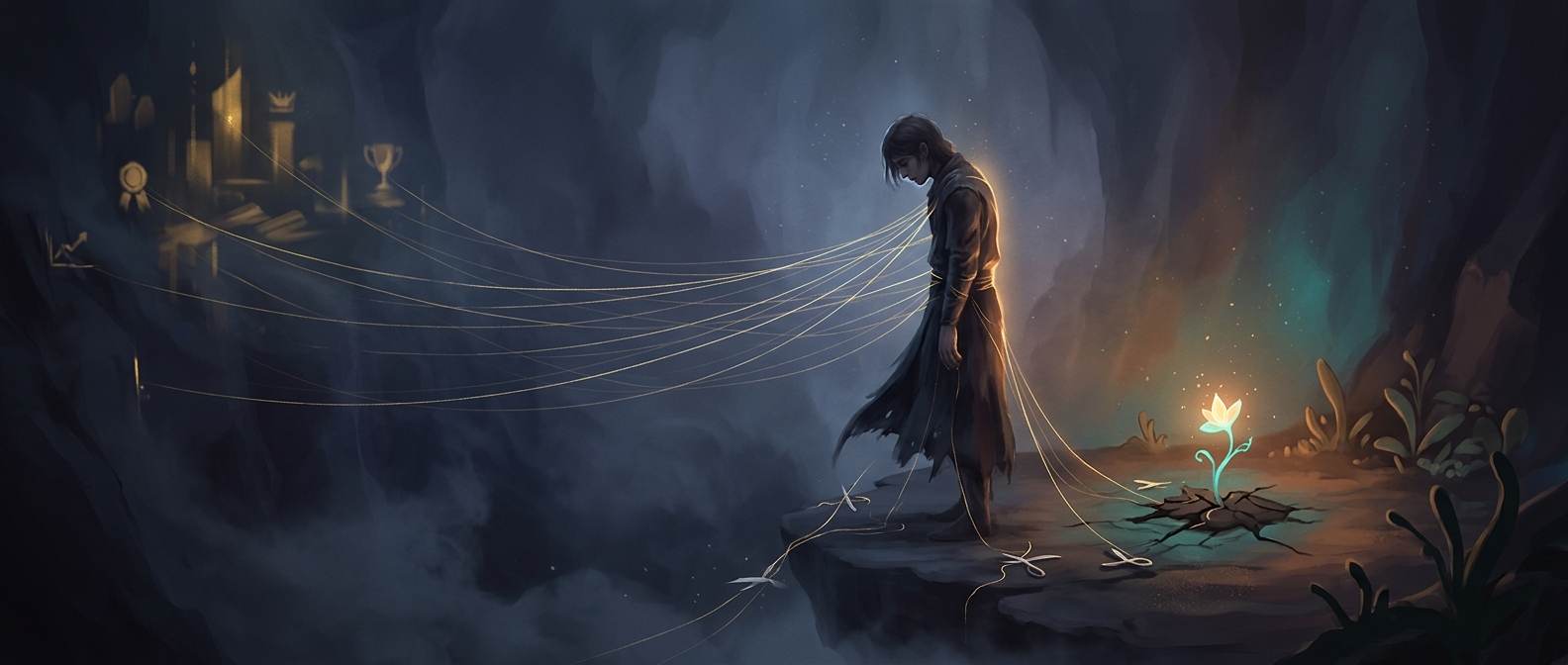
The role can quietly become a second job. Members may rely on one organizer to recruit, answer questions, settle disputes, and absorb complaints, even when that person joined to play. If the group depends on a single mediator, their absence can expose how much of its stability rested on unseen effort.
Sharing routine tasks and making expectations explicit can spread that burden. It also turns belonging from a favor granted by one leader into a habit the group maintains together.