A Match Is a Set of Constraints
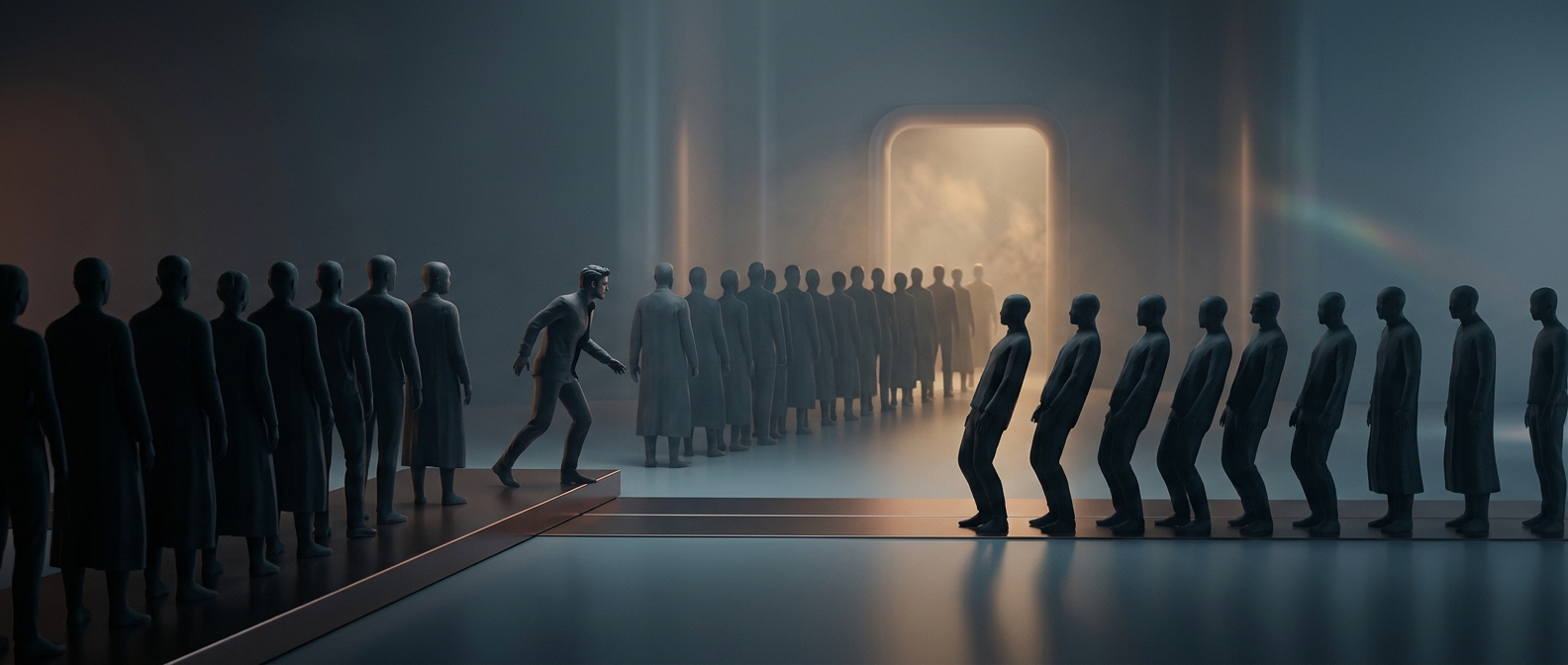
A matchmaking system is not simply looking for the next available opponent. It is trying to assemble players who satisfy several conditions at once: compatible skill levels, acceptable network connections, and enough people to fill the game. Each condition narrows the pool. A player who is online but far outside the skill range—or whose connection would make the match laggy—may not be a useful candidate.
That makes matchmaking a balancing problem. The system has to decide how much to prioritize a close contest, a smooth connection, and a short wait. Those goals can conflict: the most closely matched opponent may be far away or still busy in another game.
Why the Search Can Broaden
As the queue continues, a game may loosen some of its preferences to find a match sooner. It might consider a wider skill range or players farther away, depending on how that particular system is designed. This is a tradeoff, not a guarantee: waiting longer can give the system more possible opponents, but it cannot create players who are available and suitable at that moment.
The uncertainty is part of the experience. A brief wait might mean a strong candidate appeared quickly; a longer one might mean the system is still trying to satisfy several conditions rather than pairing you with whoever happens to be online.
The Wait Is Part of the Match
For players, the queue is usually invisible until it becomes noticeable. But it is where the game tries to prevent two common frustrations: a contest decided by a large skill gap and a match disrupted by a poor connection. A shorter wait can come at the cost of a less balanced or less reliable game.