Why the match keeps going after someone quits
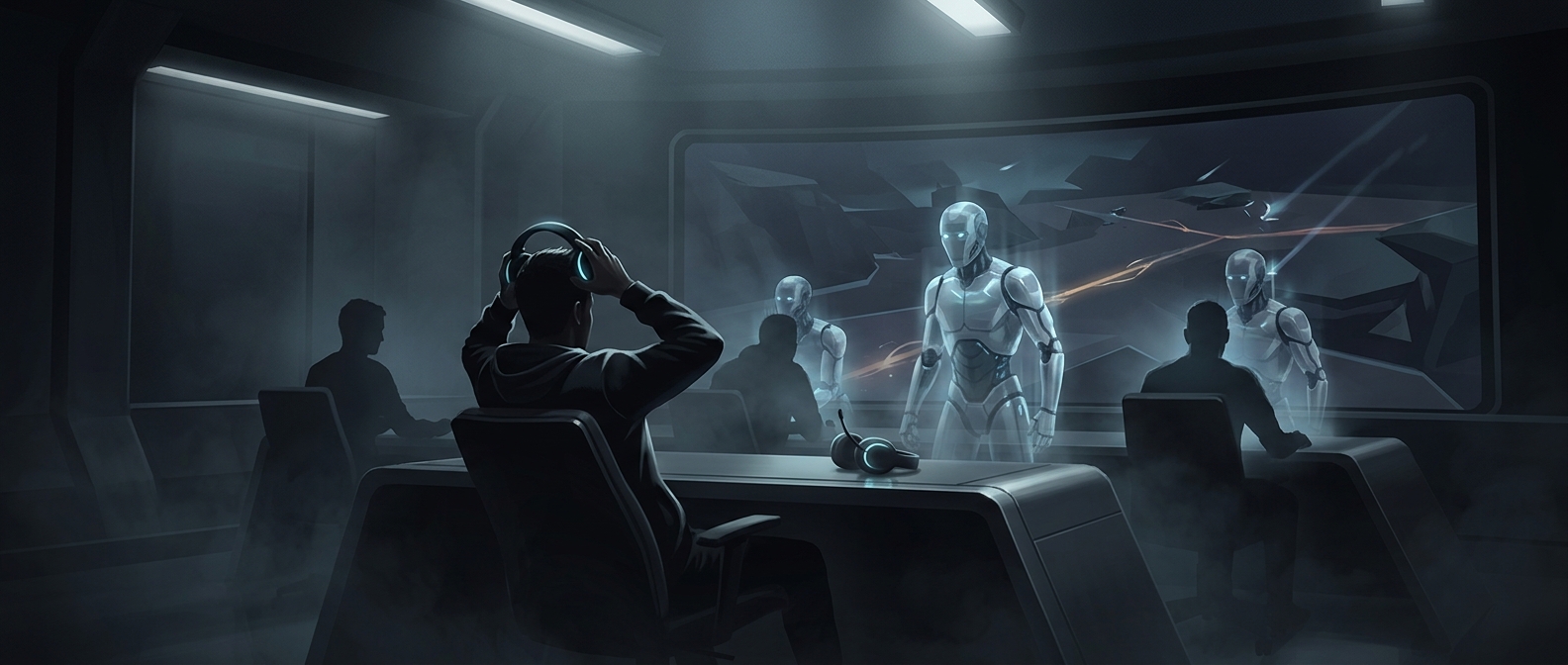
In a multiplayer game, a player leaving creates an immediate practical problem: one side may be short a teammate, or an opponent may disappear before the round is over. Some games respond by assigning the vacant slot to a bot—software that makes in-game decisions automatically—so the match can continue without waiting for the person to return.
The bot does not need to imitate the departing player perfectly. It only needs to follow the game’s rules well enough to occupy the role: moving, attacking, defending, or helping the team. How capable it is, and whether it takes over immediately, depends on the game.
The tradeoff behind the replacement
Keeping a match running can spare everyone else from a sudden interruption. But a bot is not the same as a human teammate. It may miss the unpredictable choices that make multiplayer play feel competitive, or behave in ways that are easier to anticipate. A replacement can therefore preserve the structure of the match while changing its balance and feel.
That difference can affect both sides. A team that loses a human may gain a dependable presence but lose coordination; the opposing team may face an easier target or simply a different kind of opponent. The result is not always a clean penalty or a clean advantage—the bot’s usefulness depends on the game’s design and the situation.
An exit with an afterlife
For the person who quits in frustration, the striking part is that leaving does not necessarily erase their impact. The match may continue with the same slot filled, and other players must adapt to a stand-in rather than an empty space. The quit ends one person’s participation, not necessarily the consequences of their place in the game.