Why Your Own Intentions Feel Like the Whole Story
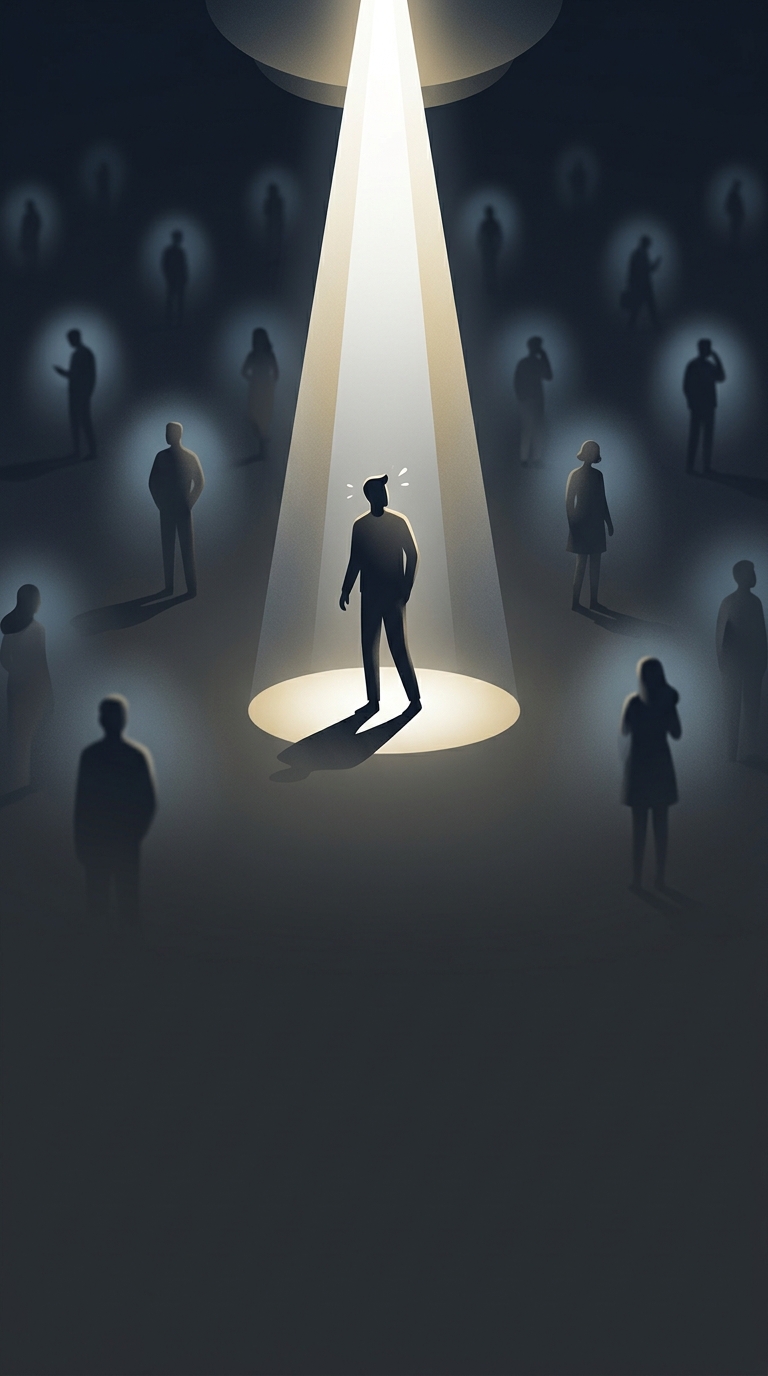
When you judge your own actions, you can consult information no one else can see: what you were trying to do, what you noticed, and what you expected to happen. When you judge someone else, you mostly see the result. That gap makes your explanation feel richer and more certain than theirs, even when both people are describing the same moment honestly.
The Evidence Is Uneven
Imagine sending a short reply because you are rushing between tasks. You know you meant no offense. The recipient sees only a terse message and may read it as irritation. If you then treat your intention as proof that the message could not have sounded cold, you are using private evidence to dismiss the other person’s public evidence.
Psychologists often describe this kind of tilt as egocentric bias: the self serves as the default reference point for interpreting events. It can also feed the fundamental attribution error—the tendency to explain another person’s behavior by their character while overlooking the situation. A missed appointment may look like carelessness from the outside, while the person who missed it knows about the delay, confusion, or competing demand that shaped the choice.
How to Get a Less Lopsided View
The fix is not to assume the other person is right. It is to notice that you have different information. Ask what they could observe, what circumstances they faced, and which part of your intention was actually visible. Then compare explanations rather than treating your own as the only plausible one.
That small shift can change a disagreement from “you misunderstood me” to a more useful question: what did my actions reasonably communicate, given what the other person could see?