Why Your Attention Feels Like Everyone’s Attention
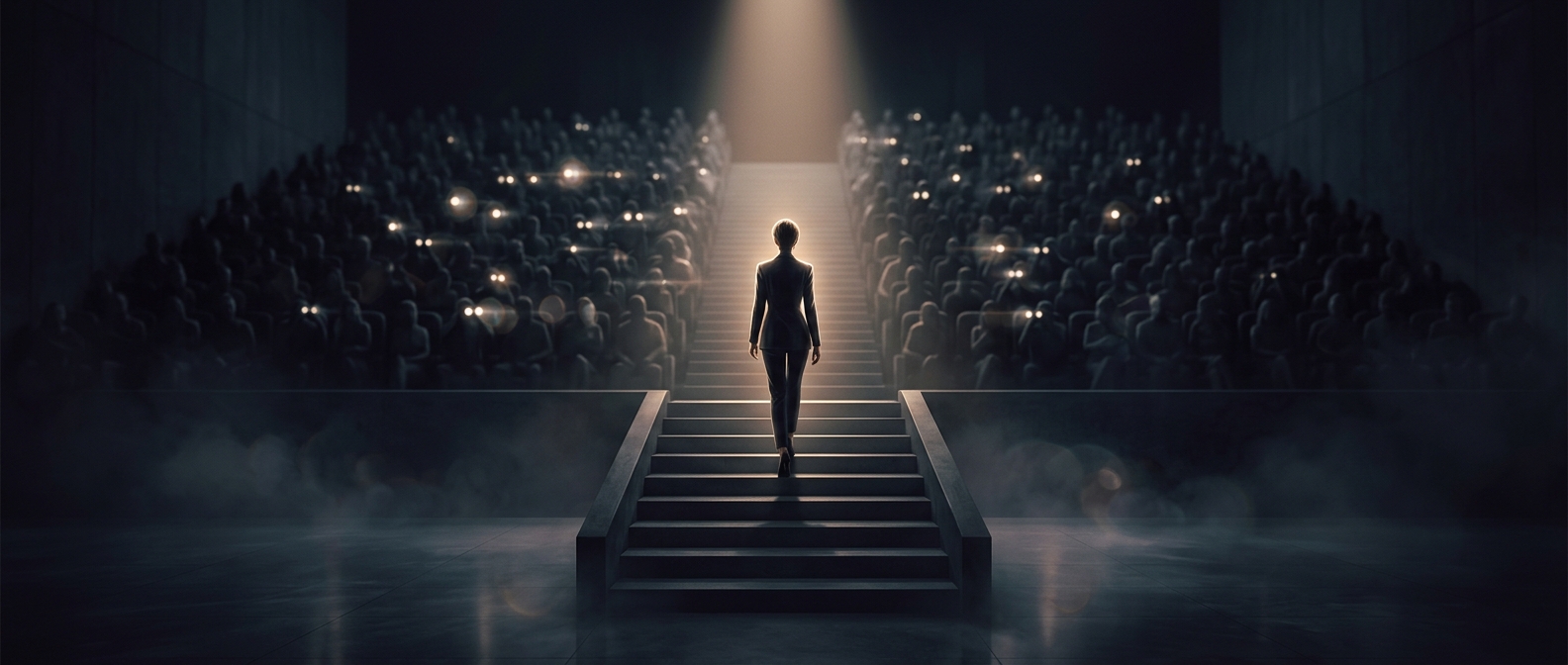
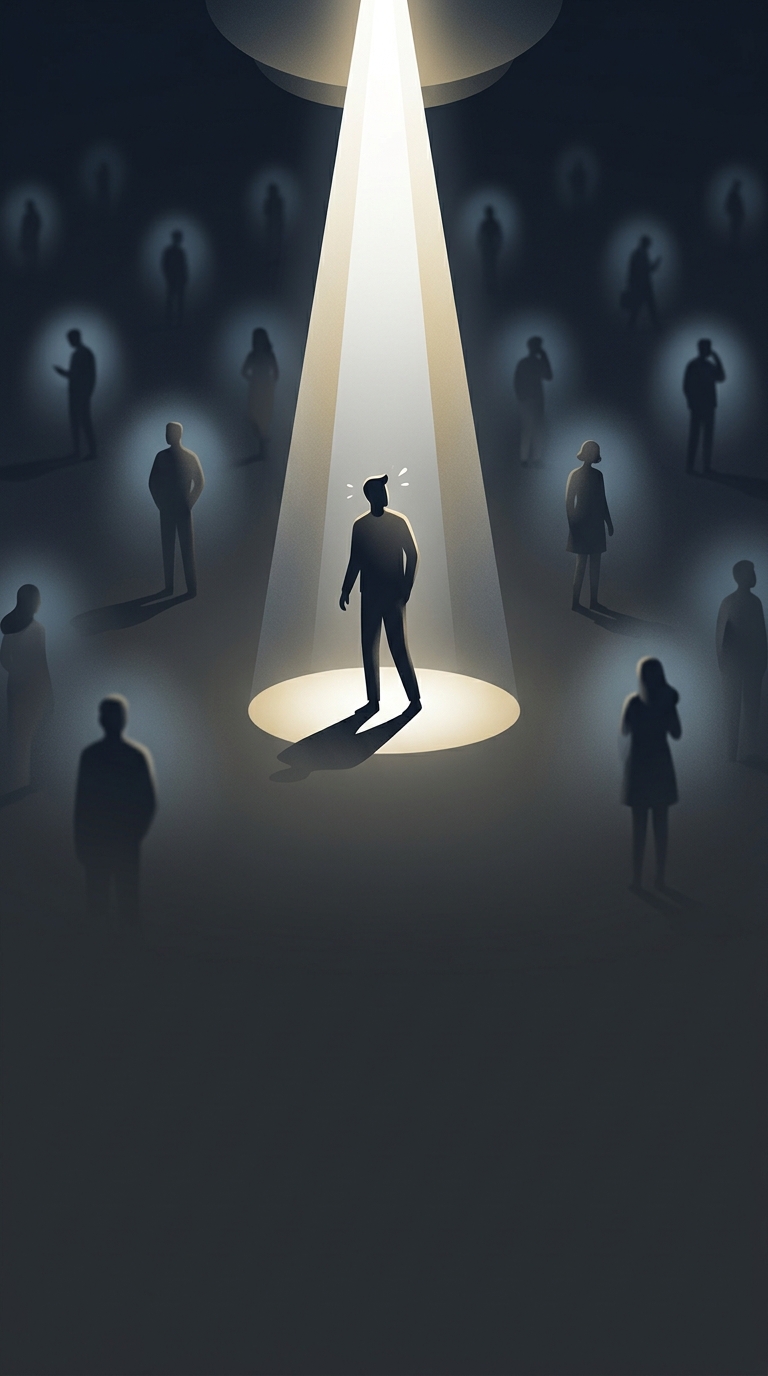
When something about you feels conspicuous—a shirt you regret wearing, a stumble, a mispronounced word—it becomes the center of your own mental scene. You can readily recall choosing it or notice how it feels, while you have little access to what anyone else in the room is thinking. The mind can mistake that vivid first-person view for a shared one: if the detail is prominent to you, it seems likely to be prominent to them.
That is the spotlight effect. In the T-shirt study, people wearing a Barry Manilow shirt expected more people to notice it than actually did. The mismatch illustrates how attention can distort a guess about other people’s attention—not that observers are incapable of noticing, but that the wearer’s estimate is colored by the shirt’s importance to the wearer.
The Room Is Not Watching One Thing
Other people have their own goals and distractions. They may be listening to a conversation, thinking about what they will say next, or worrying about how they themselves come across. Even when someone does notice an awkward moment, noticing it does not mean they will keep thinking about it. A brief glance can loom large in the person experiencing it and pass quickly for everyone else.
This helps explain why a small social mistake can feel like a public event. The feeling is real; the imagined audience may be much more attentive than the actual one. When embarrassment swells, it can help to separate what you know—“I noticed this”—from what you are guessing—“everyone else did too.” Often, the detail taking up the whole frame in your mind is only a passing part of someone else’s day.