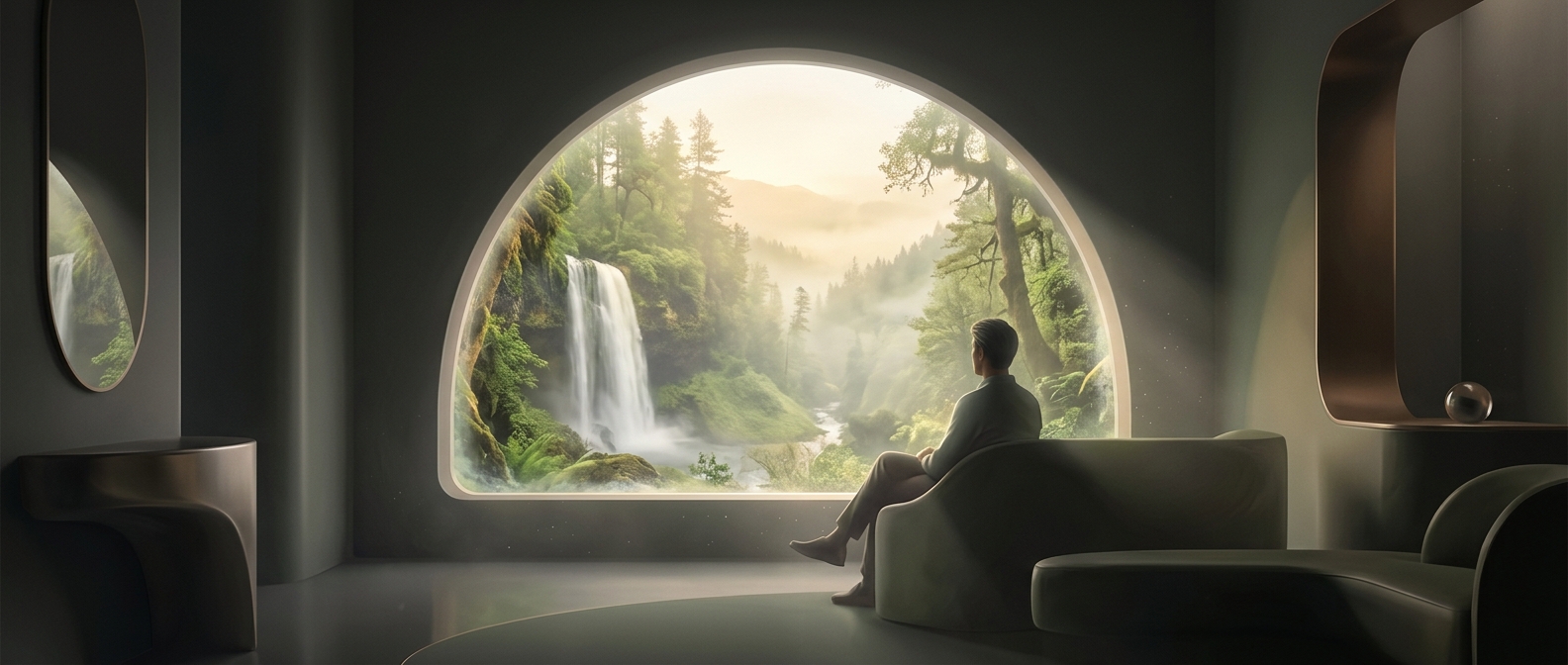
Why a green view can give the mind a break
A hospital room asks patients to monitor many things: unfamiliar sounds, interruptions, discomfort, and uncertainty about what comes next. A view of trees offers a different kind of attention. Leaves moving in the wind or shifting light can hold the eye gently, without demanding the focused effort needed to read instructions or follow a conversation.
Psychologists call this soft fascination: interest that occupies attention lightly rather than exhausting it. The mind gets a short interval in which it need not work as hard to screen out demands. That pause can make the room feel less stressful and help a patient settle.
From a calmer room to recovery
Stress is not only a feeling. When the brain registers threat or pressure, it can keep the body in a state of heightened readiness. A less demanding, more reassuring environment may help that alertness subside, making rest easier. Rest matters in recovery because the body needs time and energy for repair, while patients also need to sleep, eat, and take part in care.
A tree view does not treat an illness or replace medical care. Its value is smaller and more immediate: it can change how a patient experiences the hours spent in a room. That is why windows, daylight, and views of nature can matter in hospital design. The landscape becomes part of the care environment—not a cure, but a source of relief during the work of healing.