Why nature can hold attention without demanding it
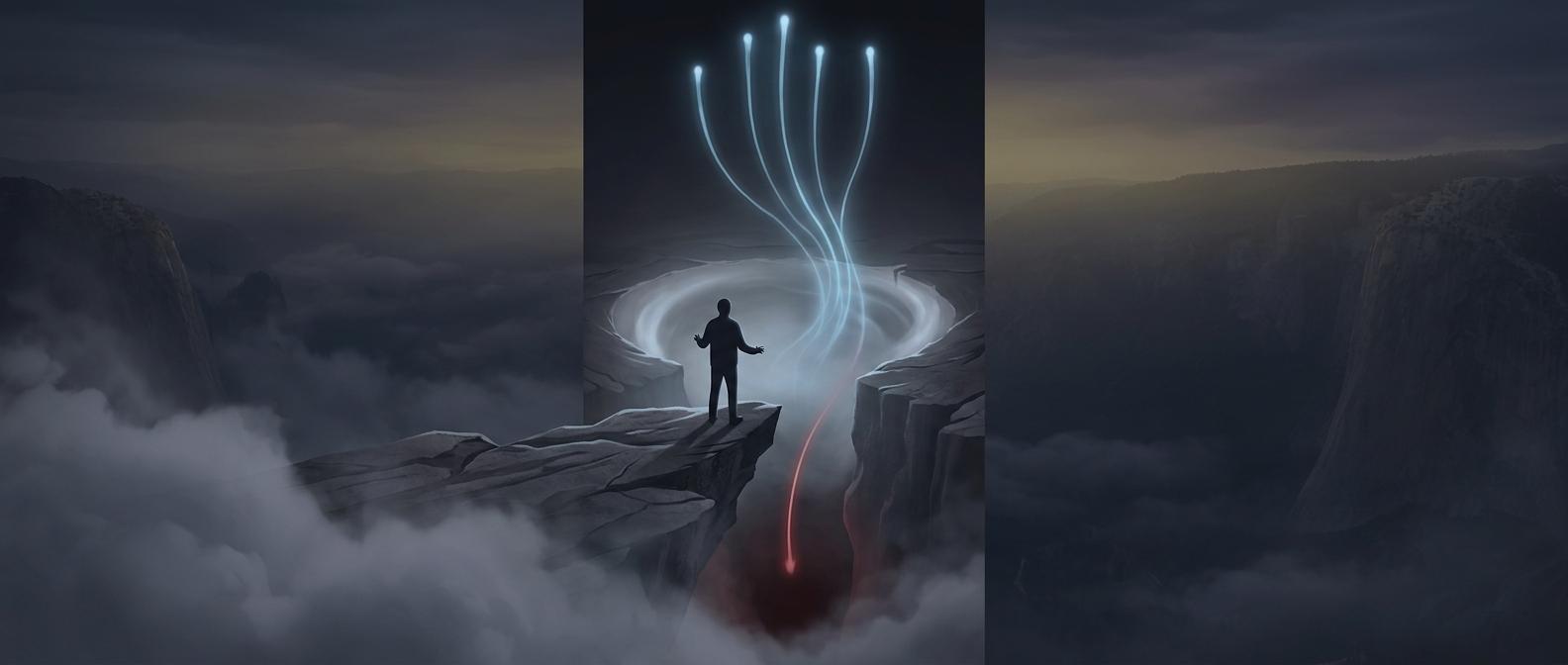
Some tasks require directed attention: deliberately keeping your mind on one thing while resisting distractions. Reading a dense message, monitoring a dashboard, or navigating traffic all ask the brain to select what matters and suppress competing signals. That effort is useful, but sustained effort can leave attention feeling depleted.
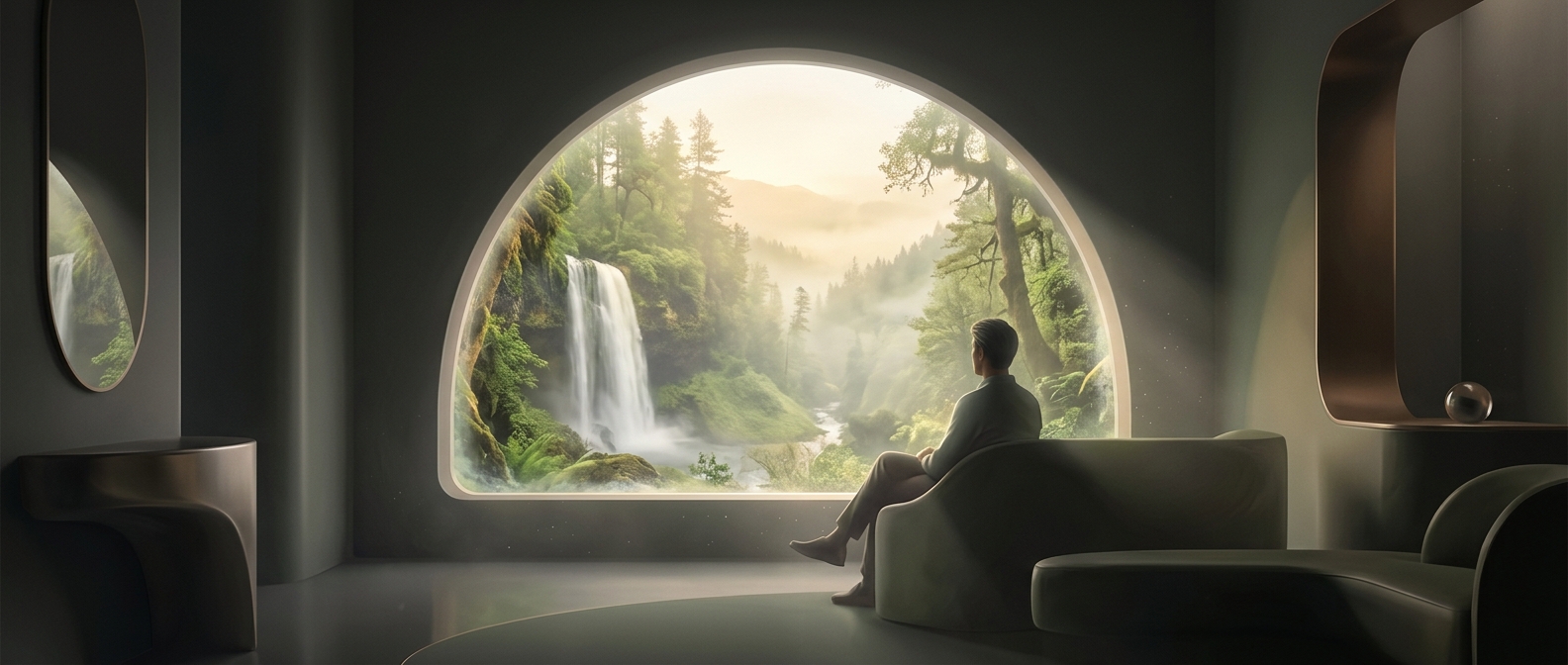
A natural scene can engage the eyes in a different way. Leaves, clouds, water, and branching forms offer details to notice, yet they usually do not require a quick decision or a response. Psychologists often describe this gentle engagement as “soft fascination”: attention is occupied, but not tightly commandeered.
Complexity with room to wander
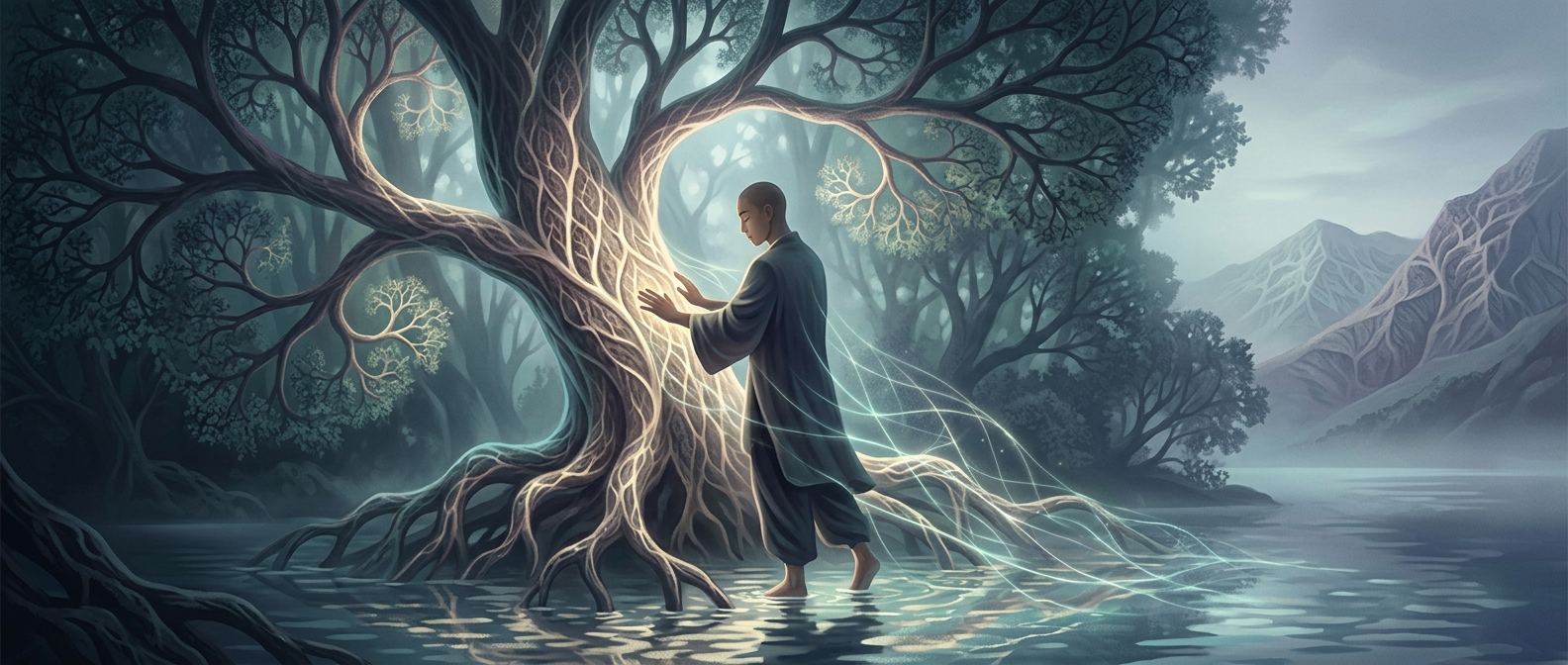
Nature is not visually empty. A tree canopy may contain many overlapping shapes and textures. But its details tend to form a scene the viewer can explore at their own pace, rather than a sequence of alerts that insist on being handled in order. The mind can drift from a branch to a patch of light without having to complete a task.
That difference may help explain why looking at a natural view can feel restorative. It is not that the brain switches off; it is that attention can loosen its grip. A person still notices and interprets the scene, but may spend less effort guarding against the next demand.
A pause, not a cure-all
The effect depends on the person and the moment. A threatening animal, an unsafe trail, or simply an unwanted view can make nature demanding rather than calming. And a brief look outside cannot erase every source of stress. But when the scene feels safe, its detail can give the mind something to follow without continually asking, “What must I do now?” That small shift—from responding to wandering—can make a window view feel like a genuine pause.