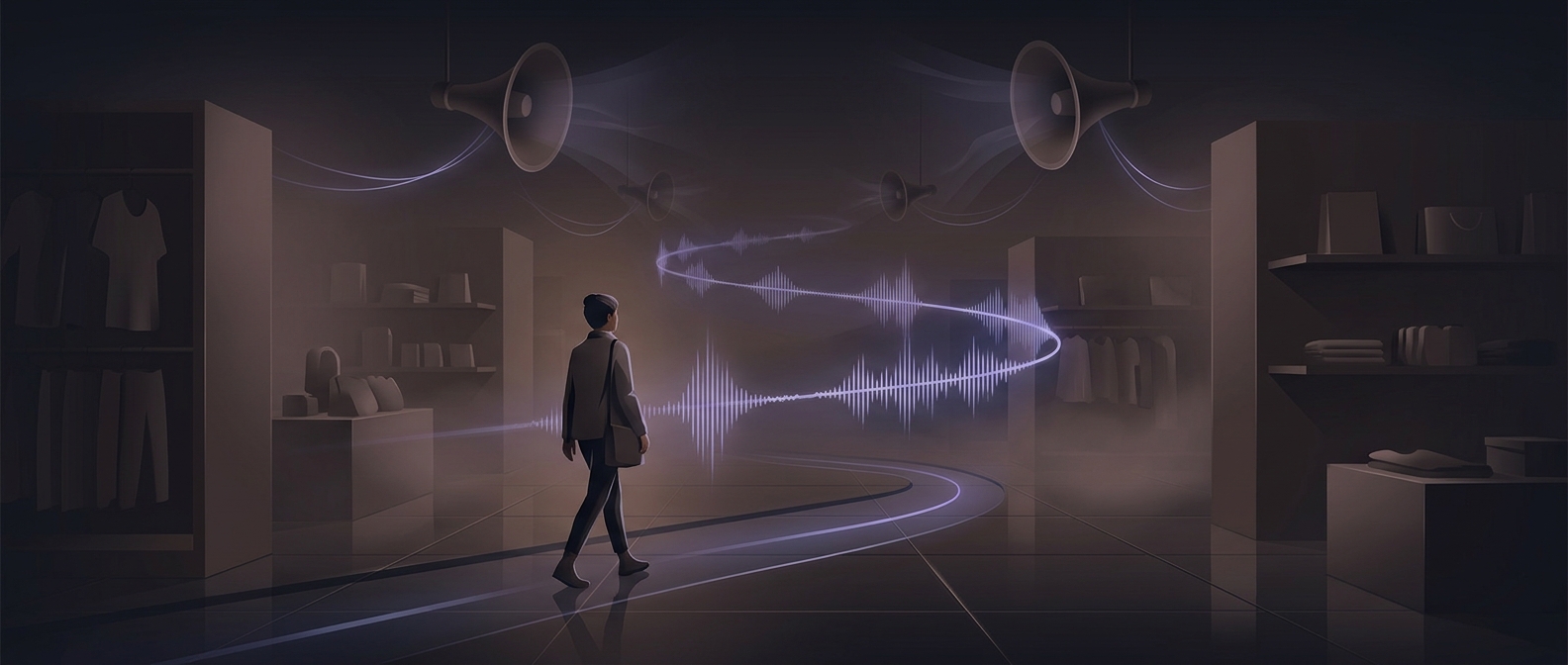
How a soundtrack can change your pace
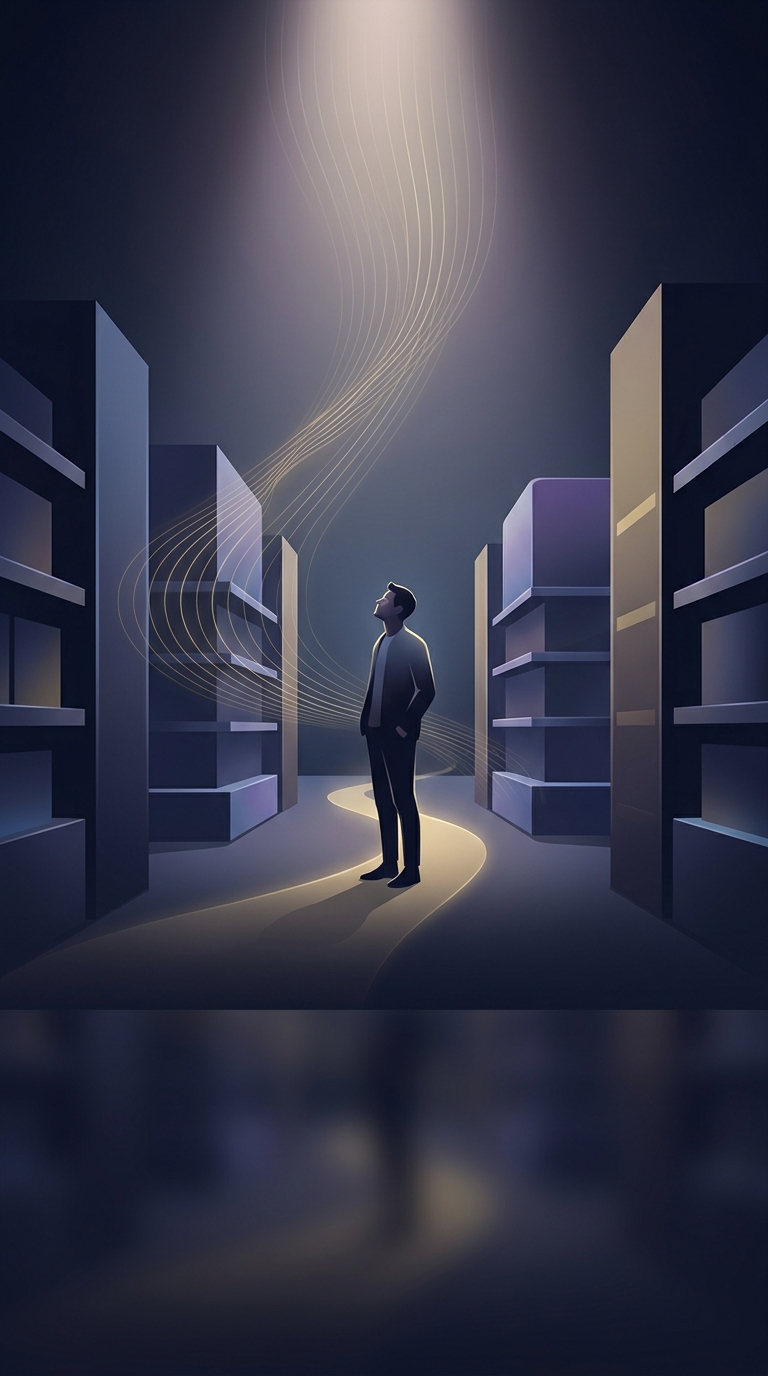
Walking has a rhythm, and music supplies one from outside your body. A quick beat can make a space feel more energetic; slower music can make it feel less hurried. Shoppers may unconsciously adjust their movement to that atmosphere, lingering longer at displays rather than moving straight to the next aisle.
That extra time matters because shopping is partly a process of noticing. A product you pass quickly may never register; a product you pause beside gets another chance to catch your eye. The music does not have to persuade you that a particular item is desirable. It can influence the pace at which you encounter the shelves, creating more opportunities for browsing and impulse decisions.
Influence, not remote control
The effect is indirect. Slow music cannot guarantee that a shopper will spend more, and people still respond to what they need, what they can afford, and how much time they have. A crowded aisle or a hurried errand can outweigh the mood of the soundtrack.
For a store, that makes music an environmental cue rather than a sales pitch: it helps set the tempo of the visit without interrupting it. The subtle consequence is that a few extra moments in front of a shelf can turn a product from part of the background into something a shopper actually considers.