Why More Choices Can Make a Decision Feel Heavier
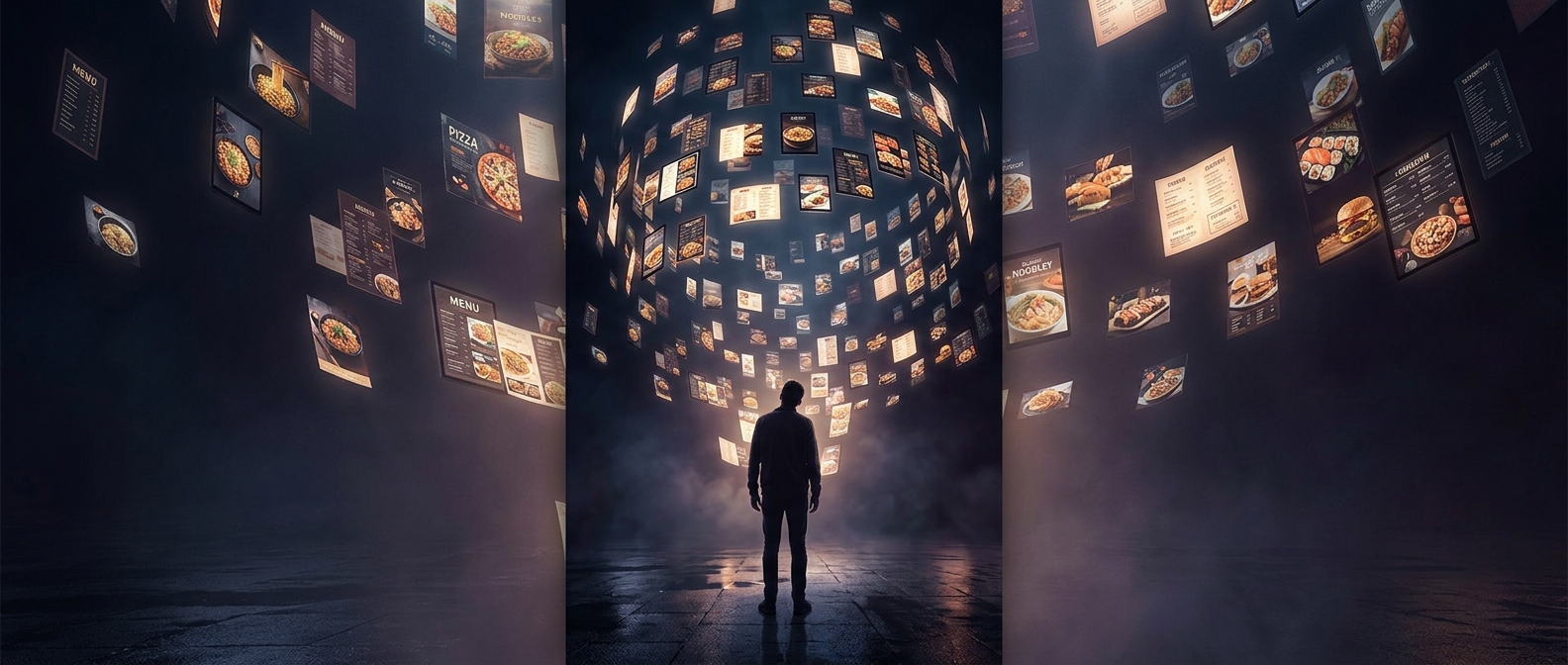
Choosing among options is not just a matter of spotting the best one. It also means deciding which differences matter. When products vary in price, quality, features, or style, shoppers must compare them—and keep track of those comparisons while deciding. As the options multiply, that mental bookkeeping can become tiring.
The burden rises especially when there is no obvious best choice. A shopper may have to weigh a lower price against a feature they might use, or ask whether a small improvement is worth paying more. Each comparison adds another judgment, and uncertainty can make the decision feel more consequential than the purchase itself.
The Choice You Make—and the Ones You Imagine
After choosing, people can still think about what they rejected. This is most likely to nag when the alternatives seemed similarly appealing: it is harder to feel certain that one clearly won. The mind can replay the decision, imagining that a different option might have worked out better. That second-guessing can weaken satisfaction with a perfectly reasonable purchase.
A crowded selection can also raise expectations. If there are many alternatives, shoppers may assume that a little more comparison will uncover the ideal one. When no option feels ideal, the final choice can seem disappointing—not necessarily because it is poor, but because it falls short of the imagined perfect match.
When a Smaller Menu Helps
More options are useful when they offer genuinely different benefits. But near-duplicates can add comparison work without making the decision much better. A shorter, well-organized menu—grouped by the needs that matter, such as budget or intended use—can make trade-offs easier to see and reduce the sense that every possibility must be examined.
The practical consequence is simple: a purchase can take more effort not because the product is complicated, but because the shopper is trying to account for every alternative. Sometimes the easiest way to decide is to identify the few features that matter most, then stop comparing once an option meets them.