Slow music can slow the shopping pace
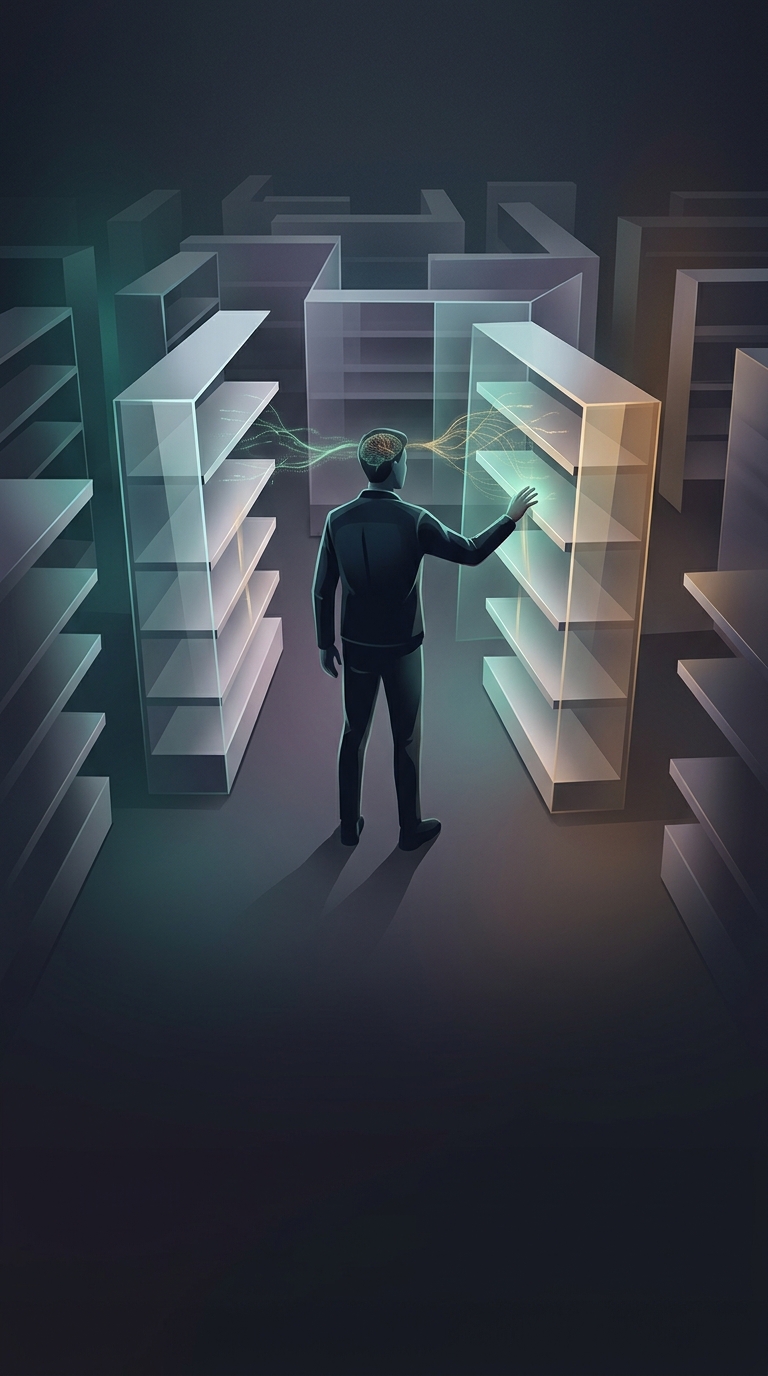
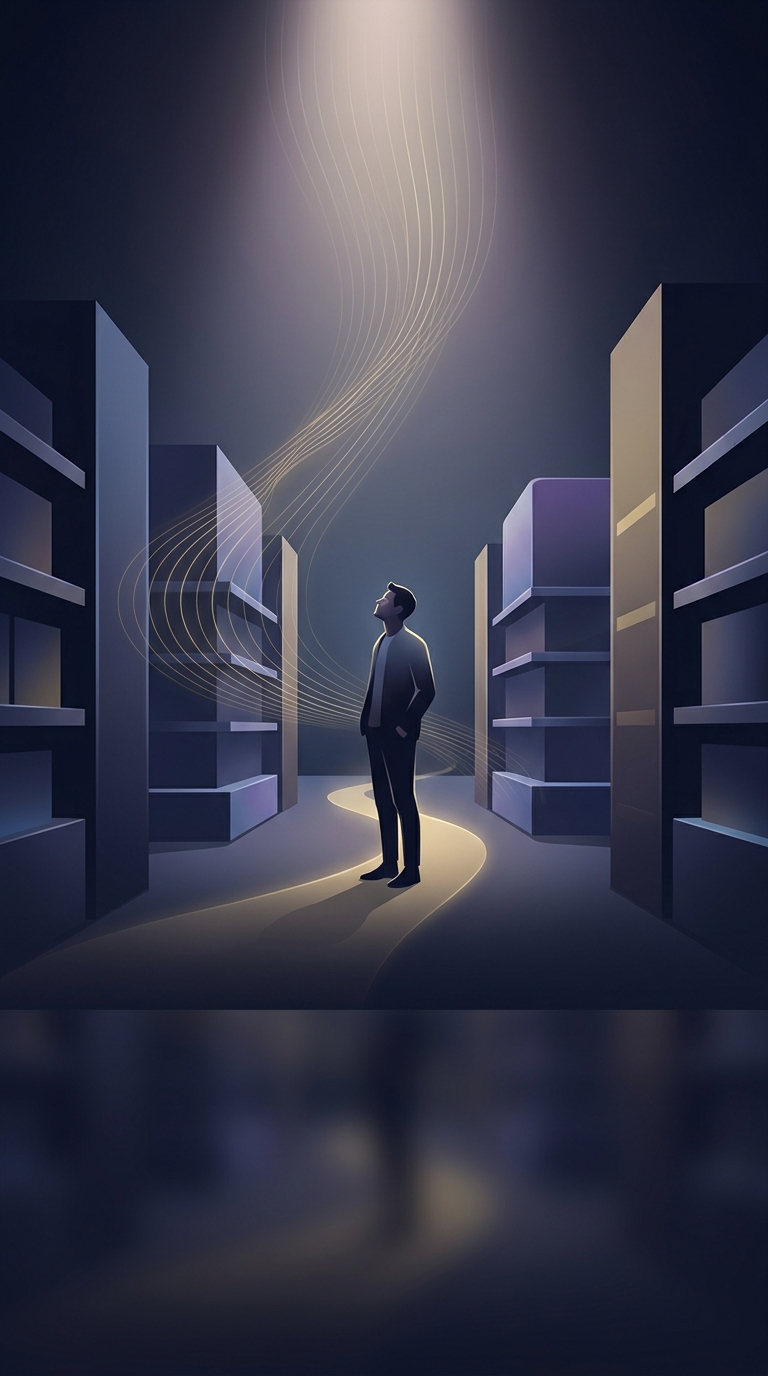
A supermarket is built around movement: customers pass shelves, compare options, and decide whether to stop. Music adds a quiet cue to that routine. A slower beat can make the environment feel less hurried, and shoppers may walk and browse at a more relaxed pace than they would in a brisk, energetic atmosphere.
That extra time matters to a store. The longer a customer spends among the shelves, the more opportunities there are to notice products, compare choices, or add an unplanned item to the cart. Slow music is not a guarantee of a bigger sale, but it can support the kind of lingering that gives shopping more room to happen.
The goal is atmosphere, not a command
Background music also helps shape how a large store feels. It can soften the impression of a noisy, brightly lit space and make a routine errand seem calmer. Because it sits behind the shopping rather than demanding attention, customers can still talk, read labels, and make decisions.
The effect depends on context: a shopper’s mood, the store’s crowding, and the music itself all matter. Slow tempo is one tool in a broader effort to set the pace of a visit, not a switch that makes every customer shop longer. Its practical appeal is simple: a calmer-feeling aisle may encourage people to take their time—and a little more time creates more chances to buy.