Psychology
Discover facts about psychology. Small discoveries that change the way you see familiar things.
Psychology
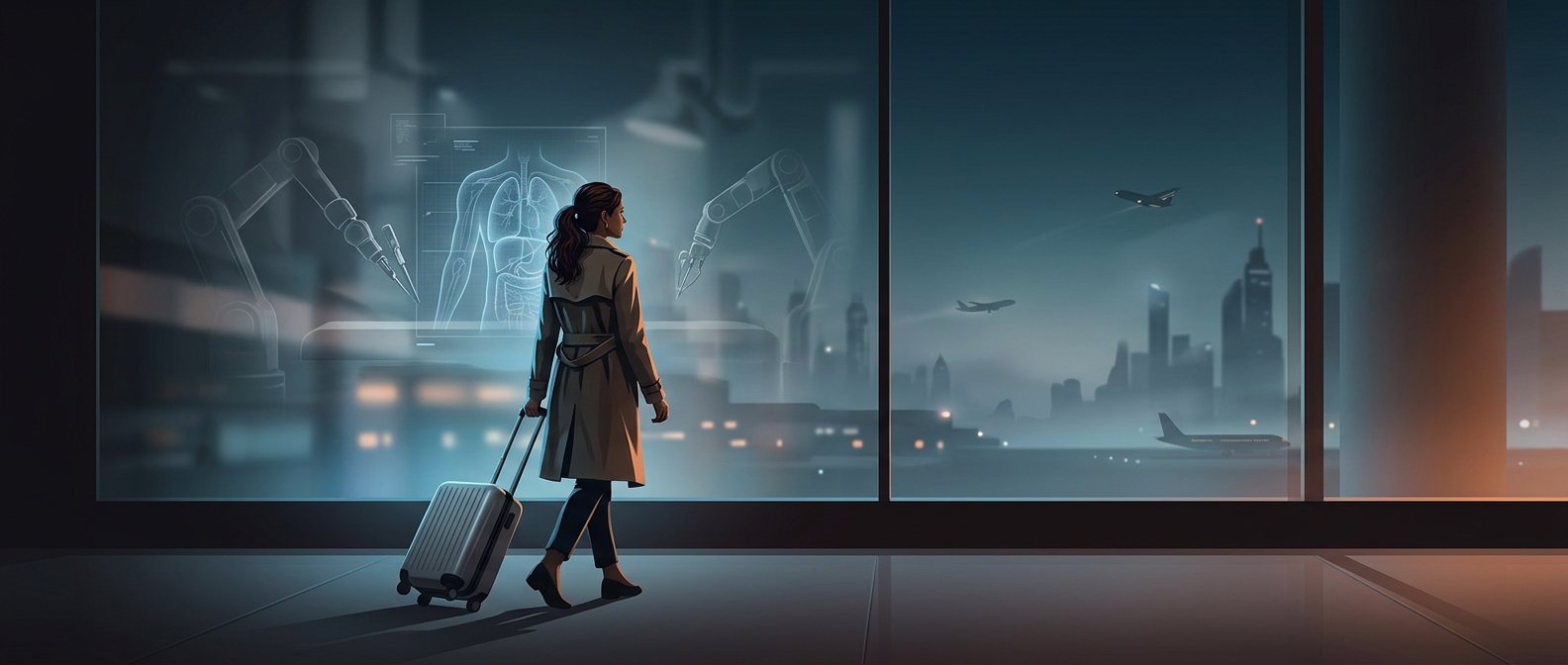
Medical tourism is outsourcing your surgery
Medical tourism can make surgery feel like a purchasable trip: book the flight, get the procedure, return home. But care has a before and after, too. When the…
Discover more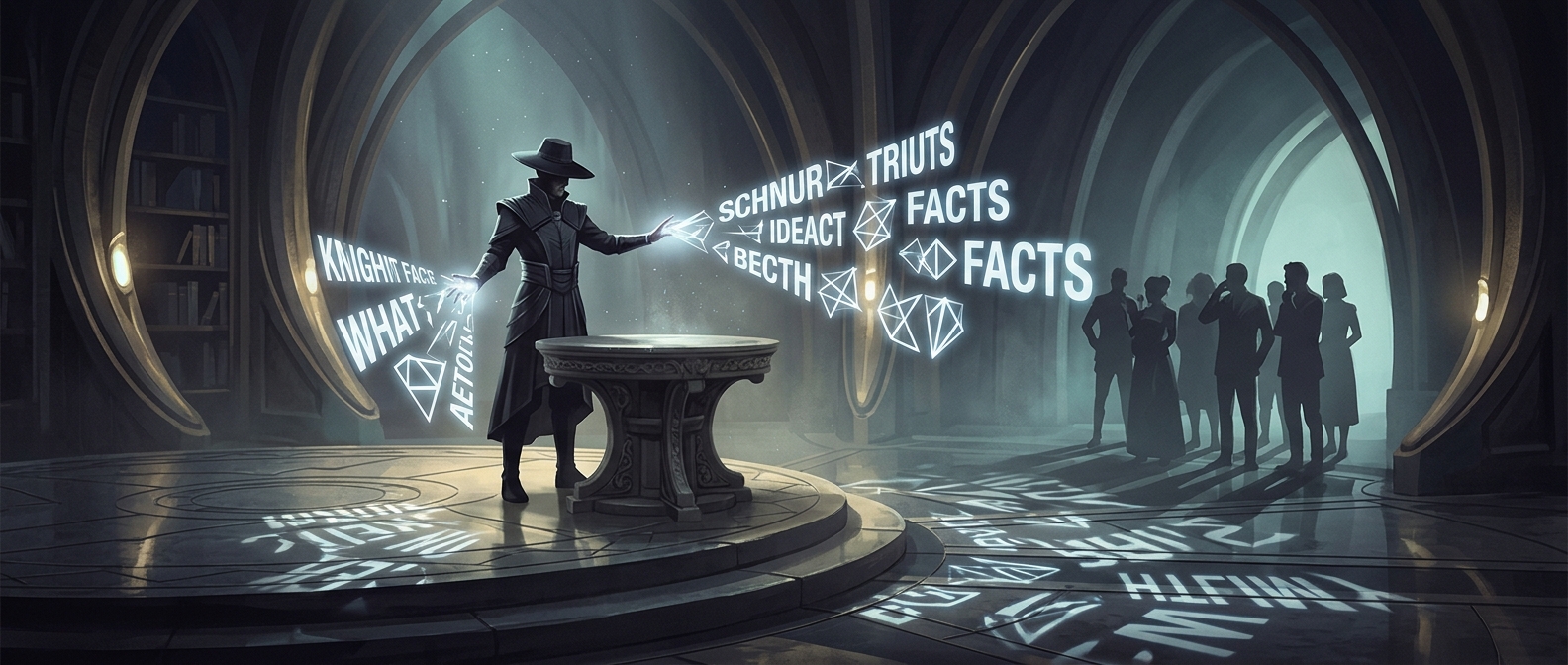
A completely true answer can still mislead you
Psychologists call this paltering: choosing accurate information that encourages a false conclusion. For example, saying you worked on a project every day…
Discover more
In one gum study, timing mattered more than chewing nonstop
Participants who chewed gum for five minutes before testing gained an advantage on several tasks during the first 15–20 minutes. Chewing throughout the tests…
Discover more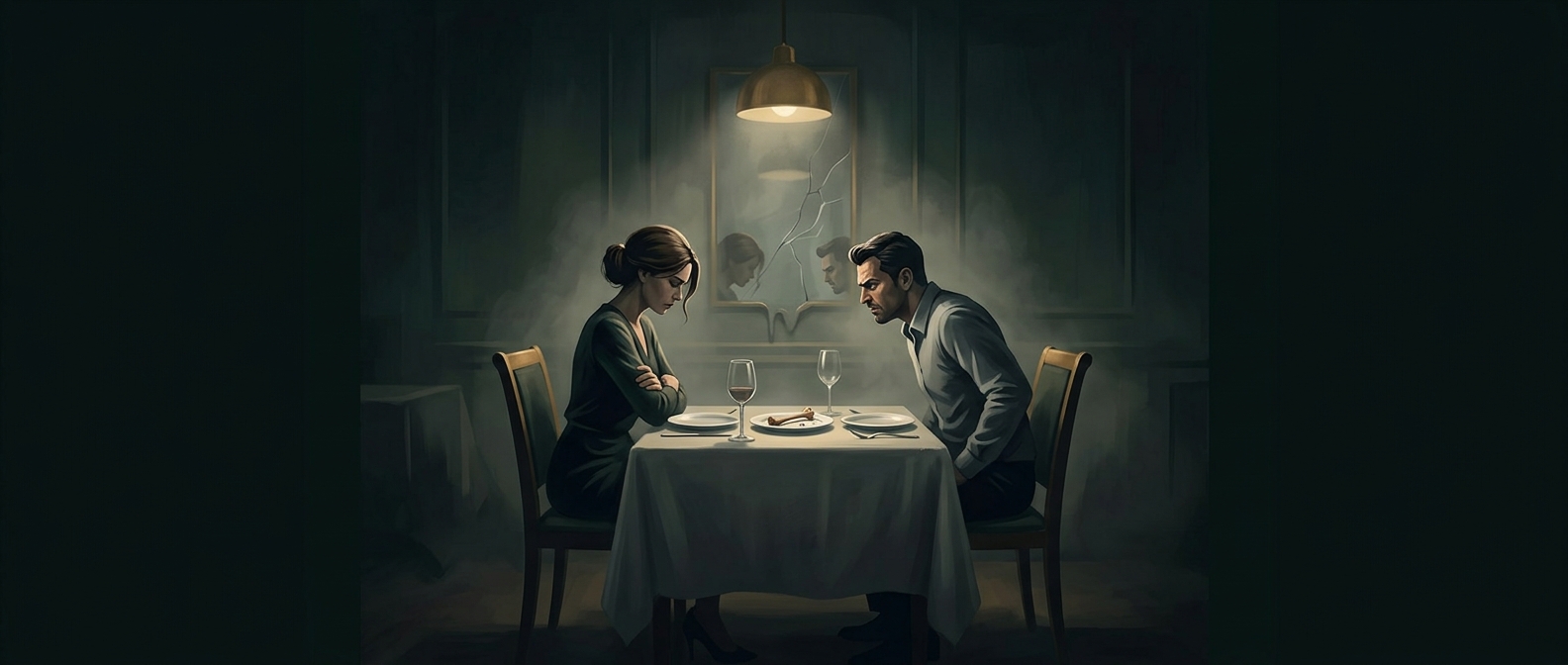
Hunger can make an ordinary annoyance feel more personal
Feeling hungry is unpleasant, but people don't always identify it as the source of a bad mood. In a tense moment, the feeling can get attached to the person…
Discover more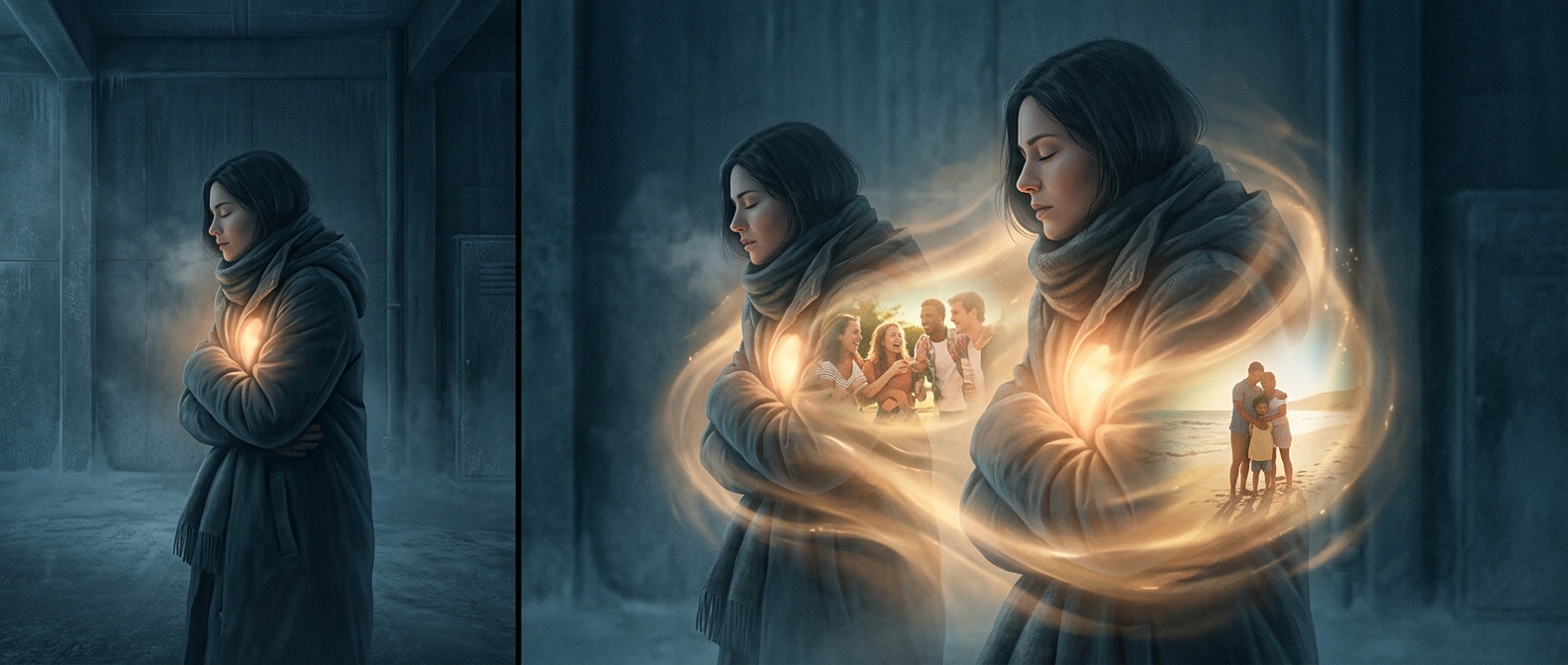
Nostalgia can make you feel physically warmer
Remembering a place where you felt loved or safe can bring back more than the scene; it can change how warm your body feels. Nostalgic memories can make…
Discover more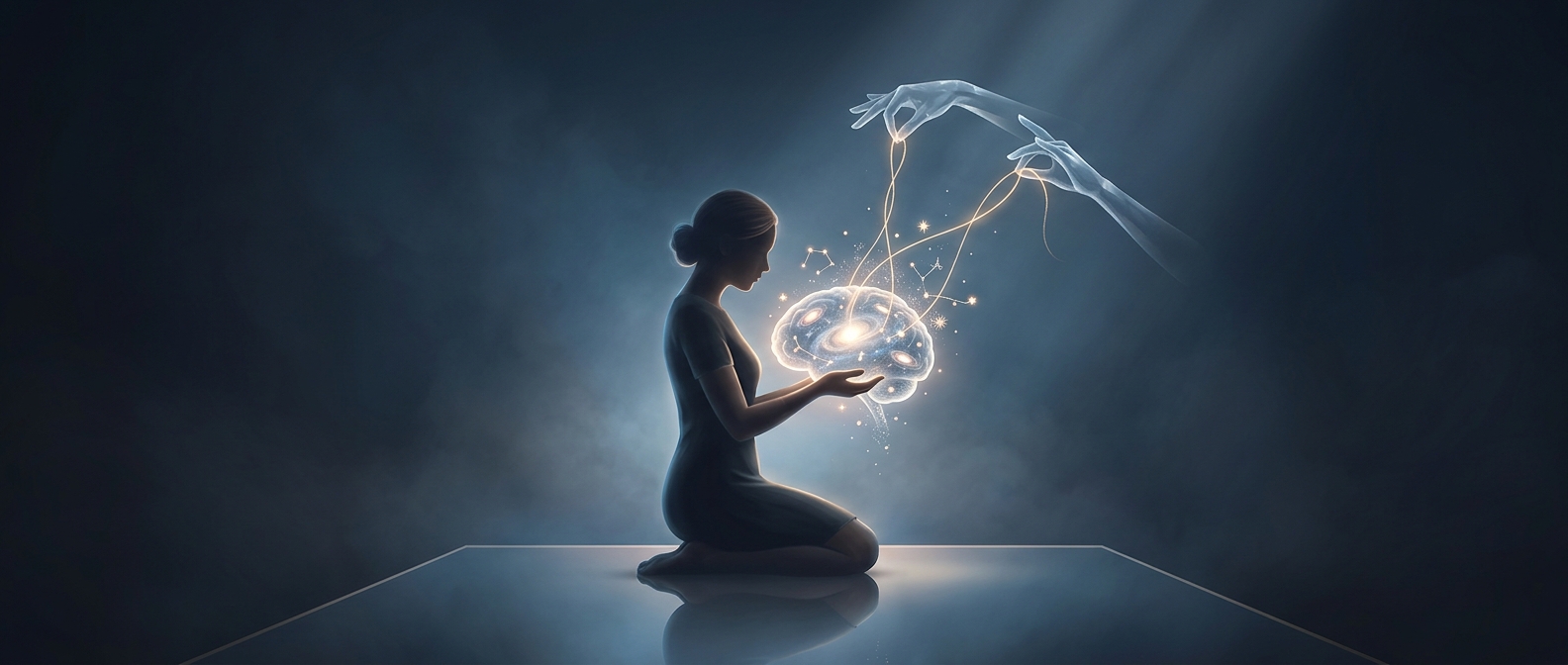
A leading question can rewrite your memory
When someone asks about an event, your mind may use the question to fill in gaps while rebuilding the memory. A suggested detail can blend with what you…
Discover more STACKY FOR IPHONE
A bigger world.
One discovery
at a time.
Keep discovering with Stacky. Interesting facts in an app that is always within reach.
Why waiting for a package can beat opening it
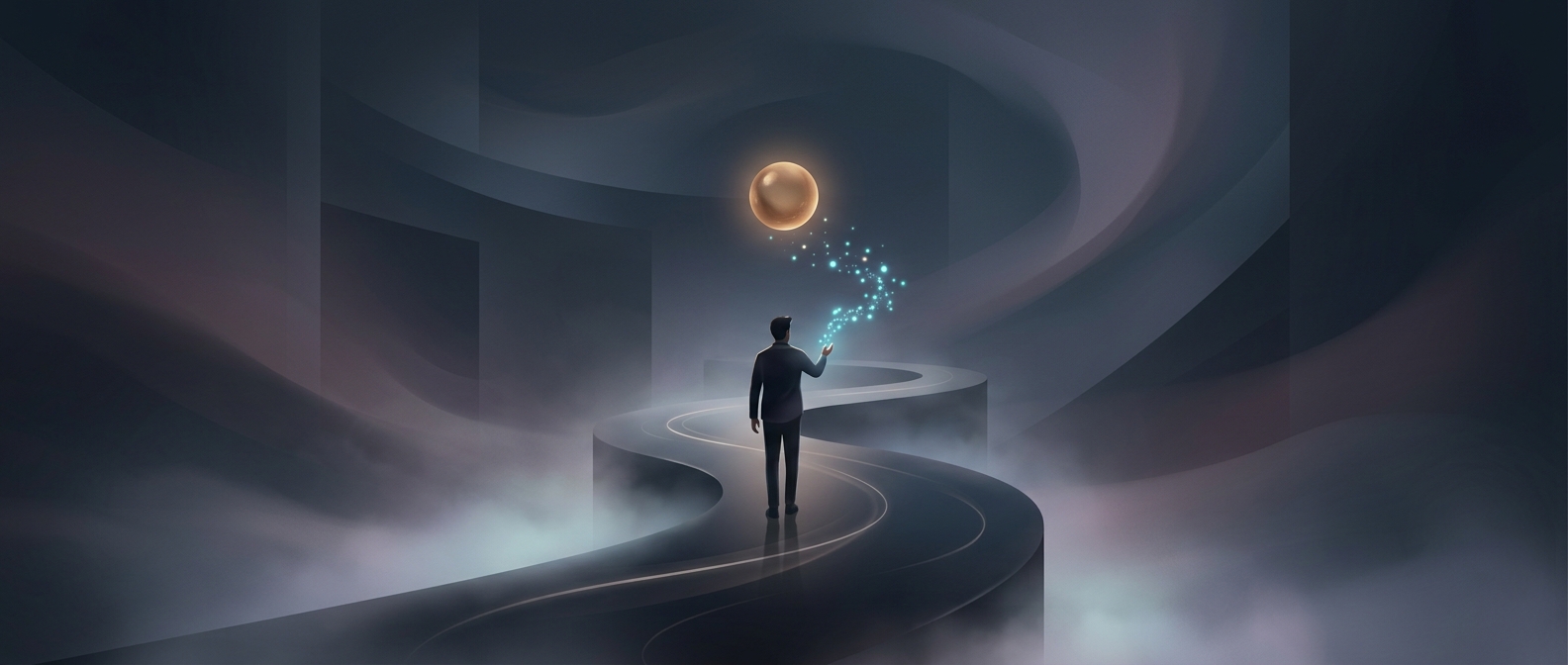
Before a package arrives, every unopened minute is a chance to picture what’s inside. That anticipation can stretch pleasure across days; once you open it,…
Discover more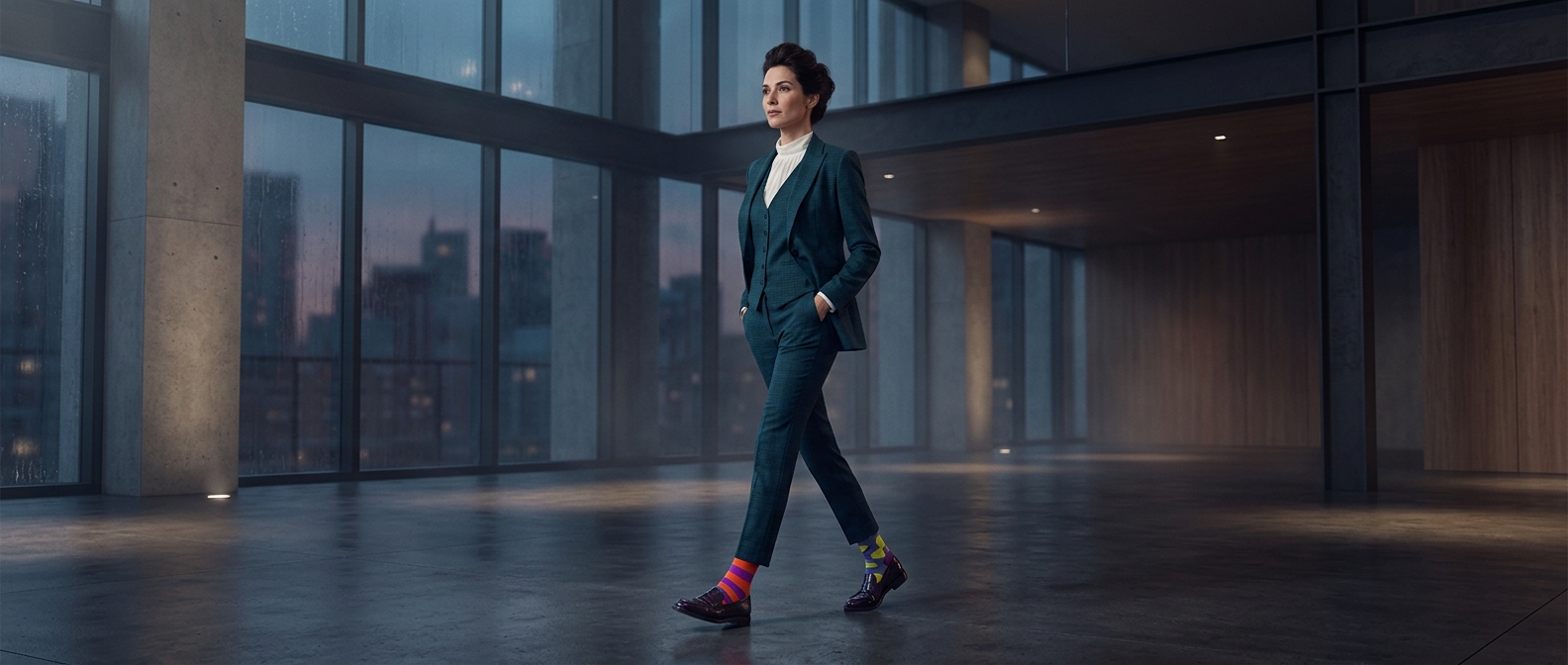
Mismatched socks can signal confidence
Mismatched socks can look confident when they seem like a choice rather than a mistake. Breaking a small dress rule signals that the wearer is comfortable…
Discover more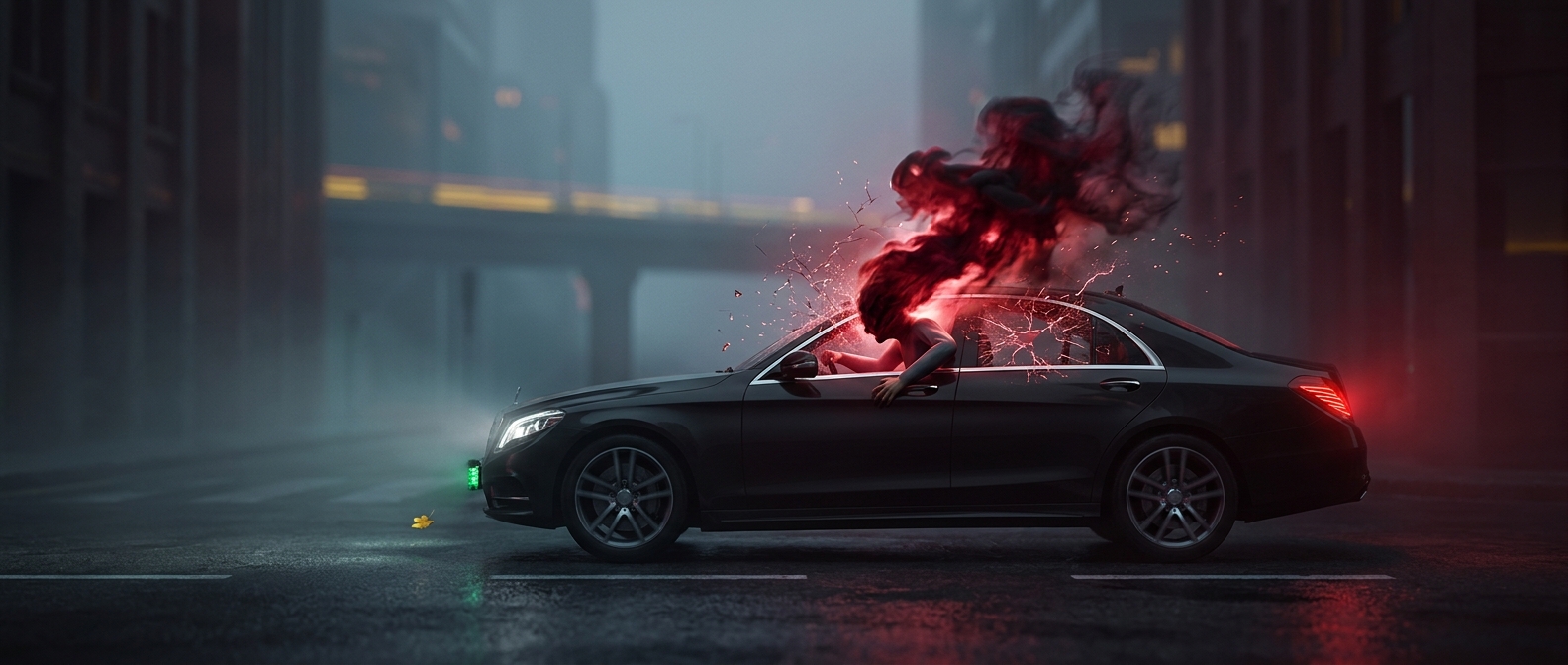
Missing a green light can turn a calm driver furious, according to frustration theory
You are calm at the red light; it turns green, and the car ahead stays put. Frustration theory explains the snap: something blocks an immediate goal, and…
Discover more
We excuse our own motives as noble while assuming everyone else is chasing money
You feel your own intentions; you mostly see other people’s actions. That unequal access makes your motives seem complicated and virtuous while someone else’s…
Discover more
A food's smell can change what you want before the first bite
In experiments, exposure to sweet or savory food odors increased appetite for foods matching those smells. The nose helps set expectations before eating…
Discover more
A motionless light can seem to wander in darkness
With no surrounding landmarks, the visual system has a poor reference for judging the light's position. Small changes in the eyes and in perceived direction…
Discover more
Why a good idea sounds terrible from your rival
A rival can make a sensible suggestion feel contaminated by its source. If accepting the idea feels like giving the other side a win, your mind has a reason…
Discover more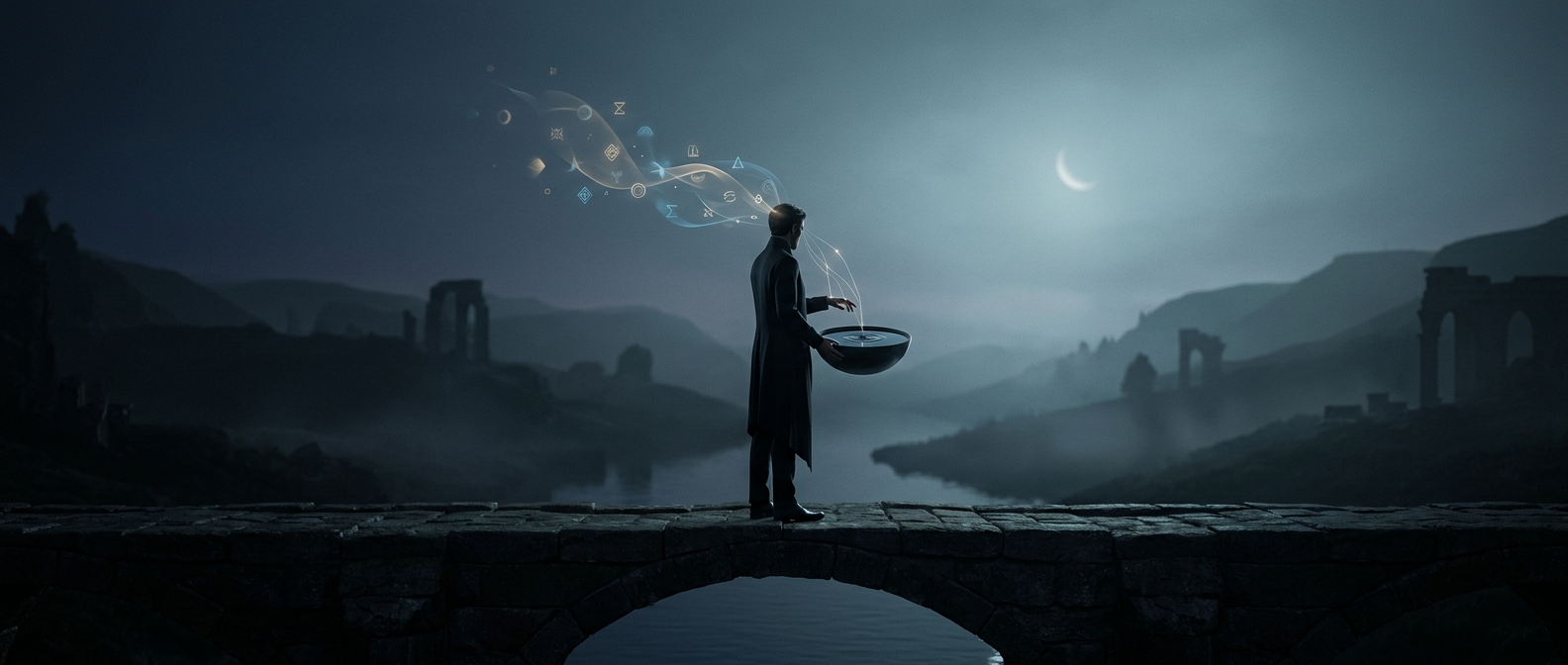
Why Ouija boards seem to move by themselves
The planchette can move because the people touching it make tiny, involuntary muscle movements guided by their expectations. Since no one feels themselves…
Discover more
Why cold rooms can make you crave carbs
Cold can make food feel like part of getting warm. Your body’s energy needs can rise as it works to maintain its temperature, while familiar carb-heavy foods…
Discover more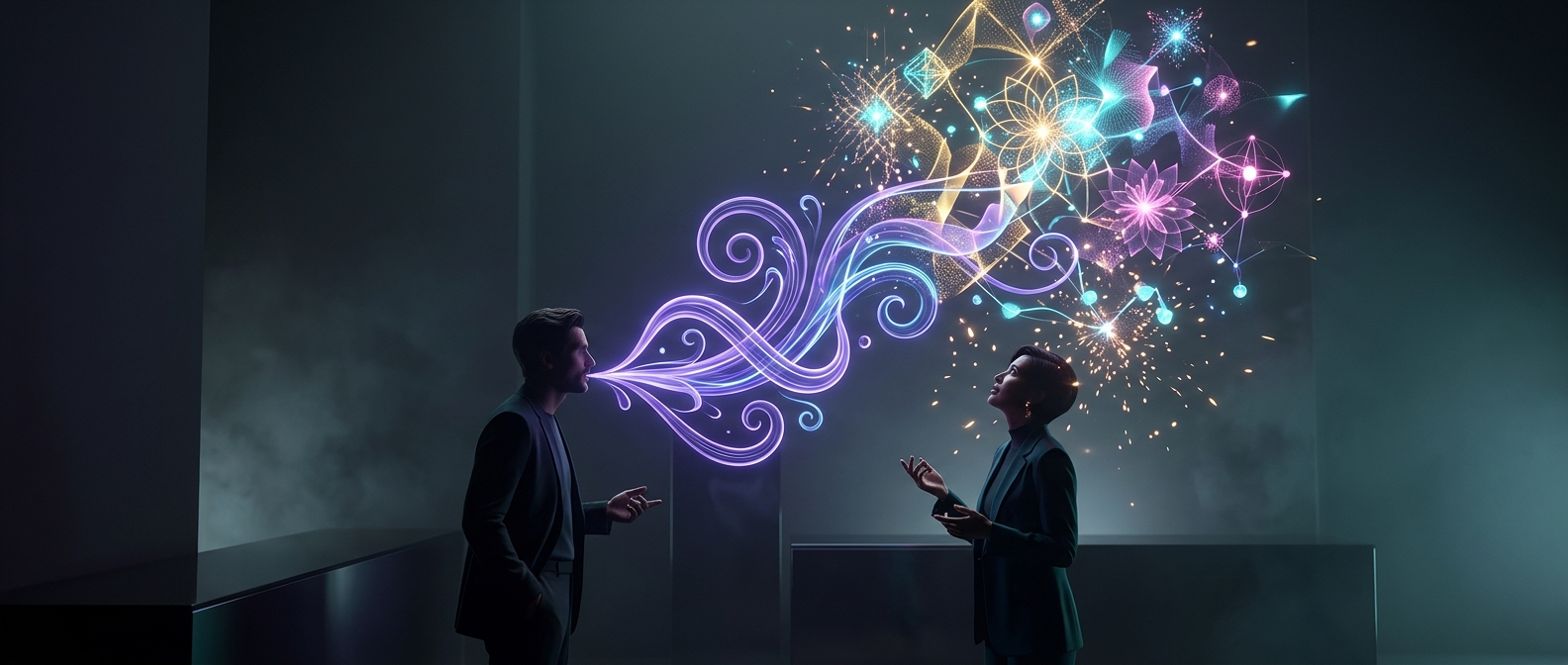
Why sarcasm can make a room more creative
To understand sarcasm, you have to step back from the sentence and infer what the speaker really means. That mental distance can encourage the kind of…
Discover more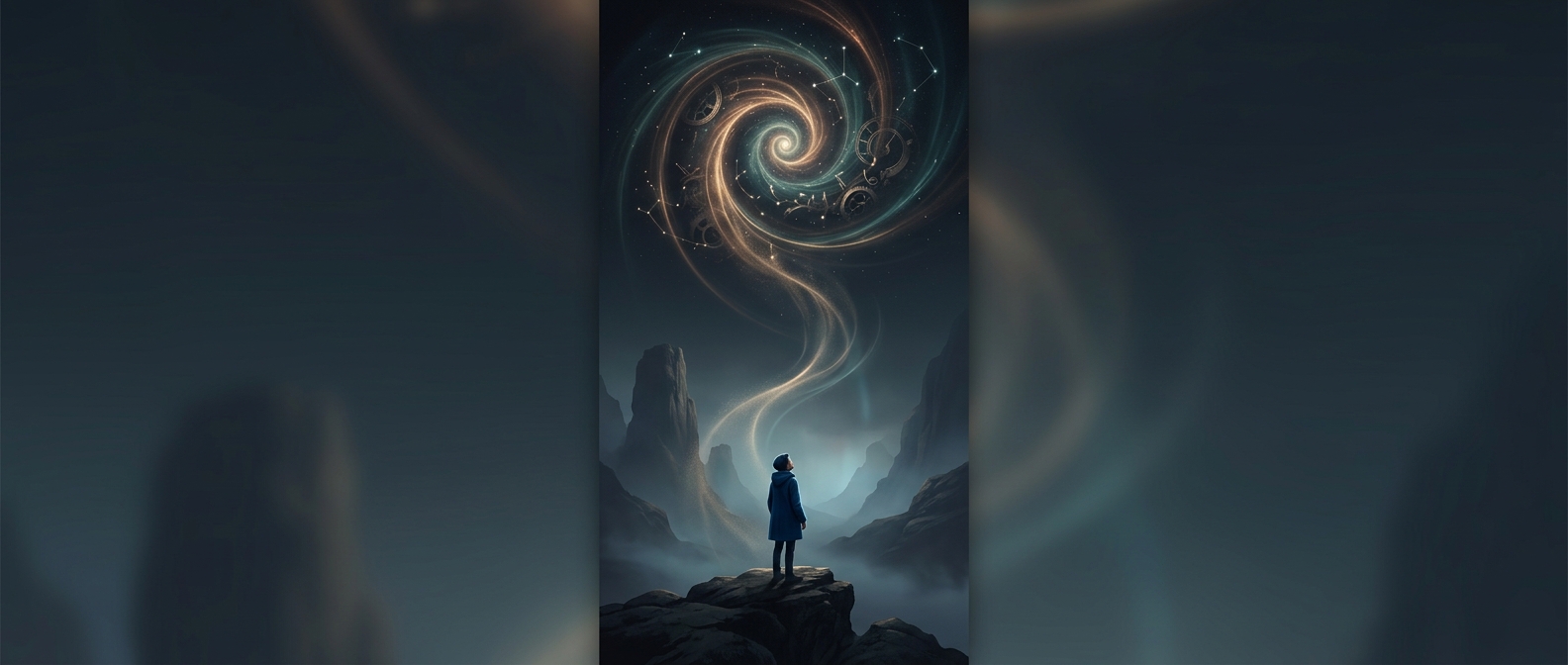
Awe can make an afternoon feel longer
Awe pulls attention away from your usual mental loop and toward something vast—a huge sky, a towering cliff, a moment that makes you feel small. With less…
Discover more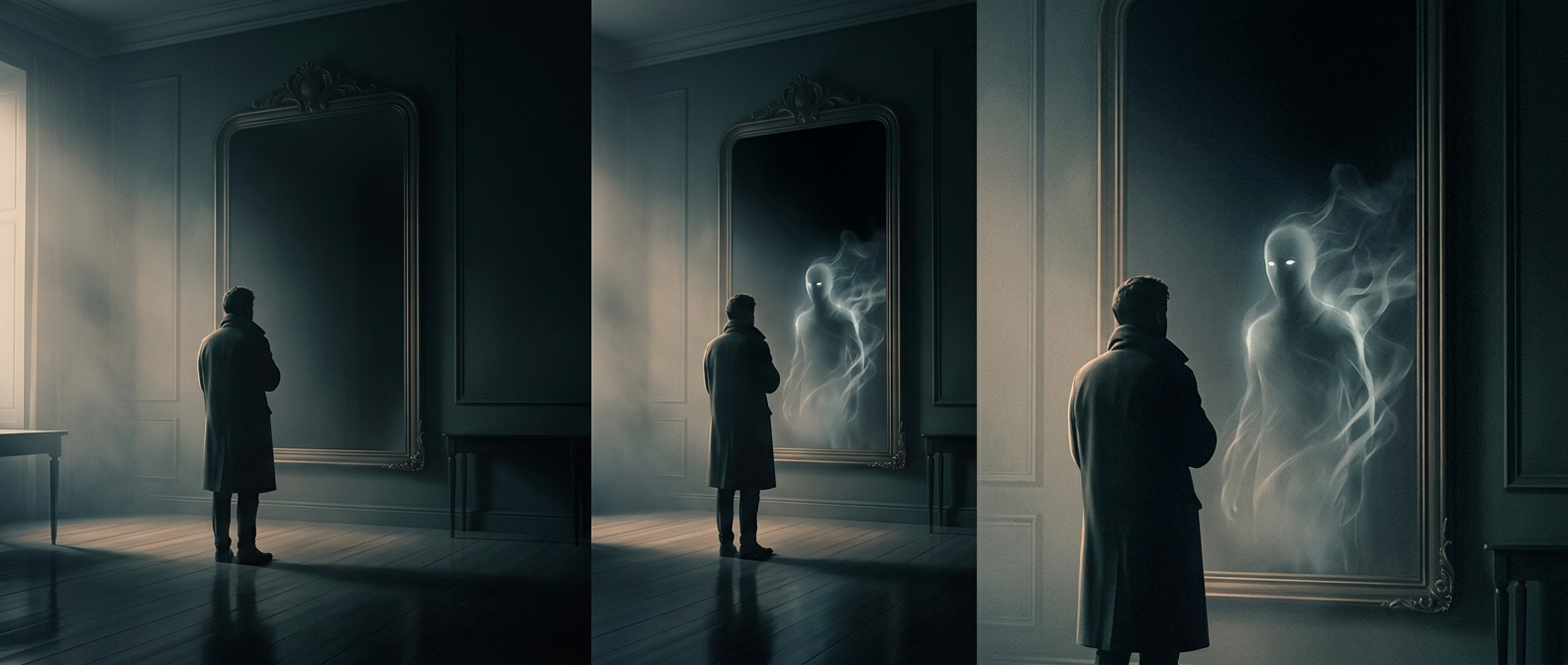
Spectrophobia is the specific dread of seeing ghosts
For someone afraid of seeing ghosts, the frightening moment is often the possibility that an ordinary reflection or shadow will suddenly look like one.…
Discover more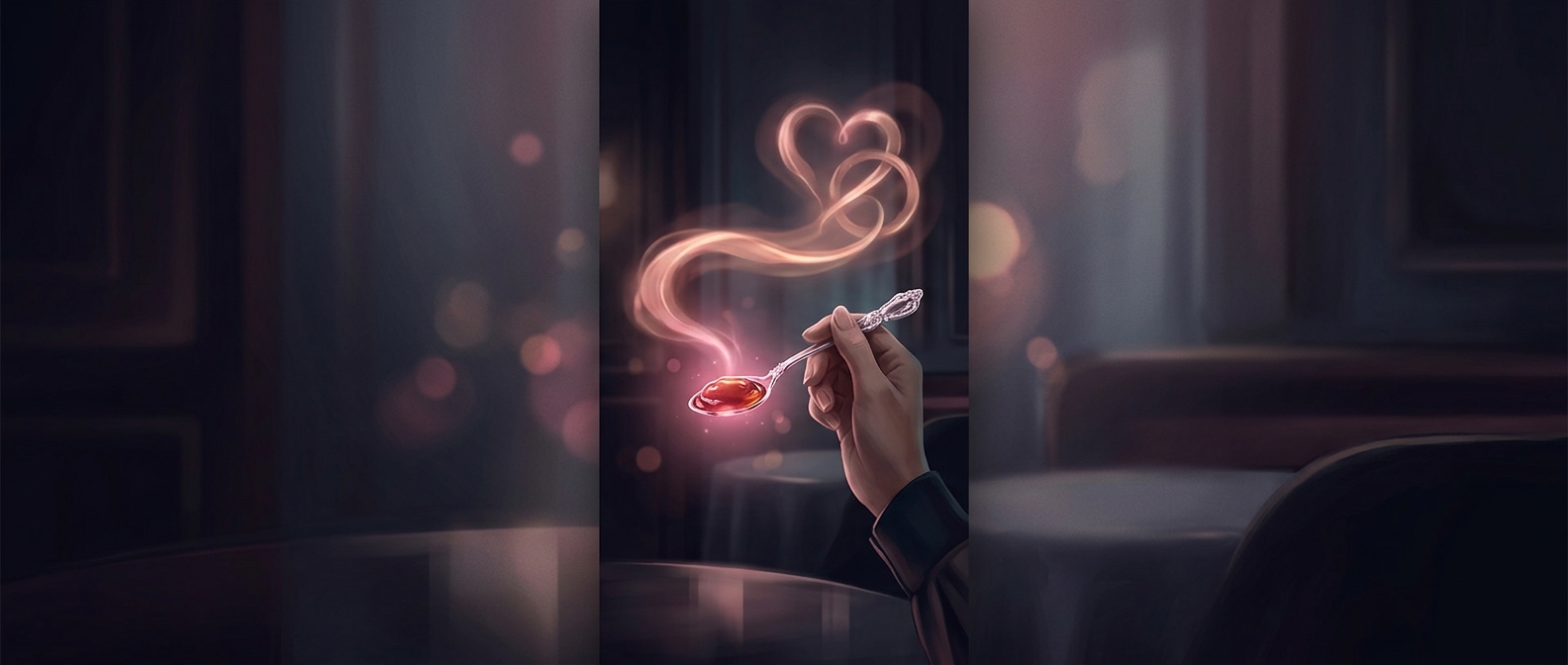
Researchers made romance seem sweeter with an actual sweet taste
In a series of experiments published in 2015, participants exposed to sweetness rated hypothetical relationships more favorably or expressed more interest in…
Discover more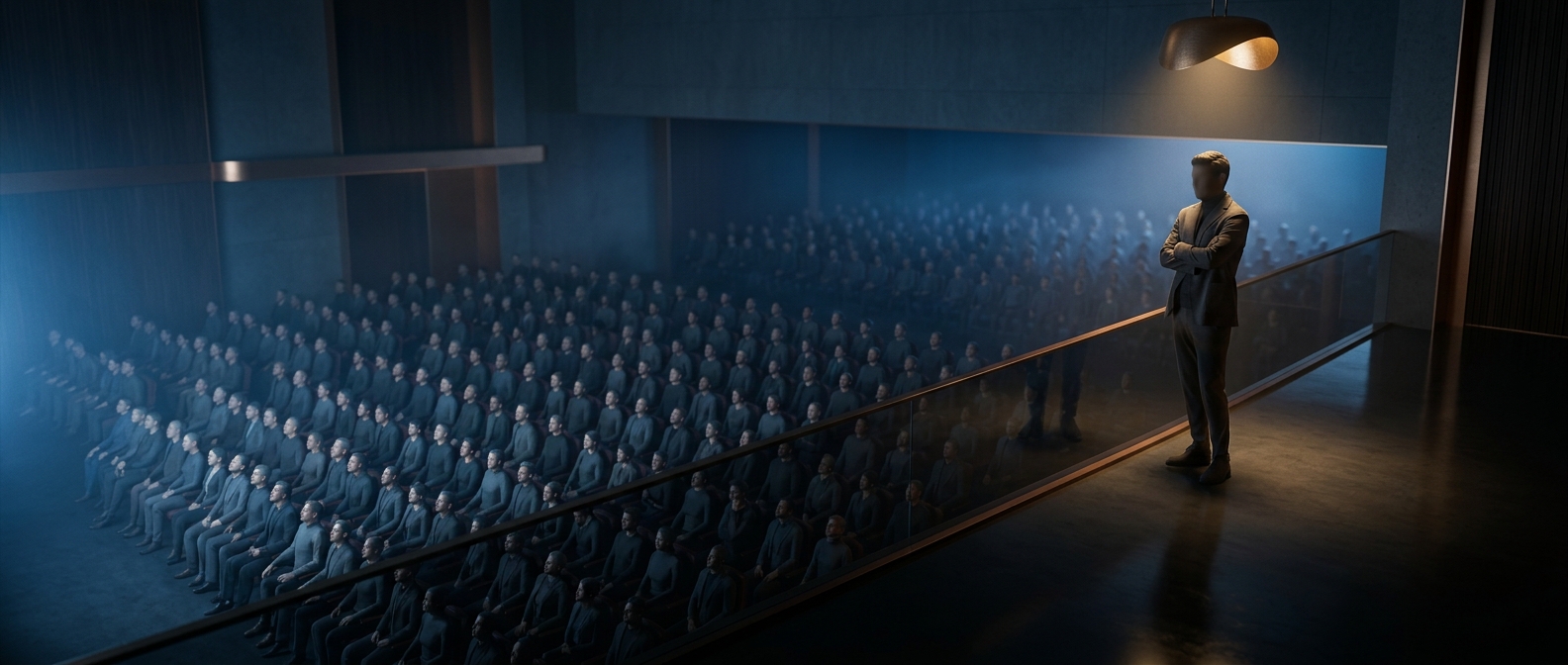
Why everyone thinks propaganda works on everyone else
A political message can look crude when you imagine it changing someone else’s mind. When it fits your own beliefs, it can feel like confirmation rather than…
Discover more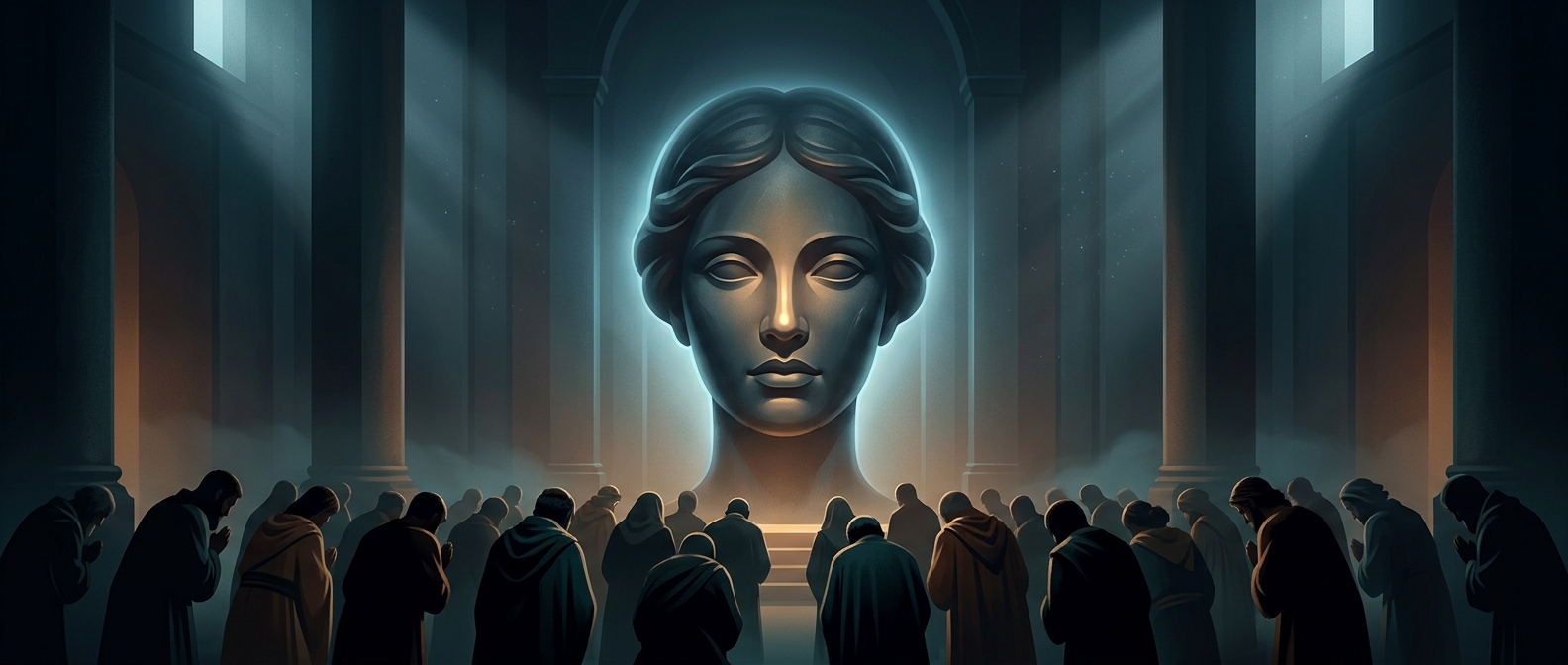
Why facial symmetry affects judgments of beauty
A face with balanced features is easier for the visual system to process, and that fluency can feel like beauty. Symmetry also fits an old visual shortcut: we…
Discover more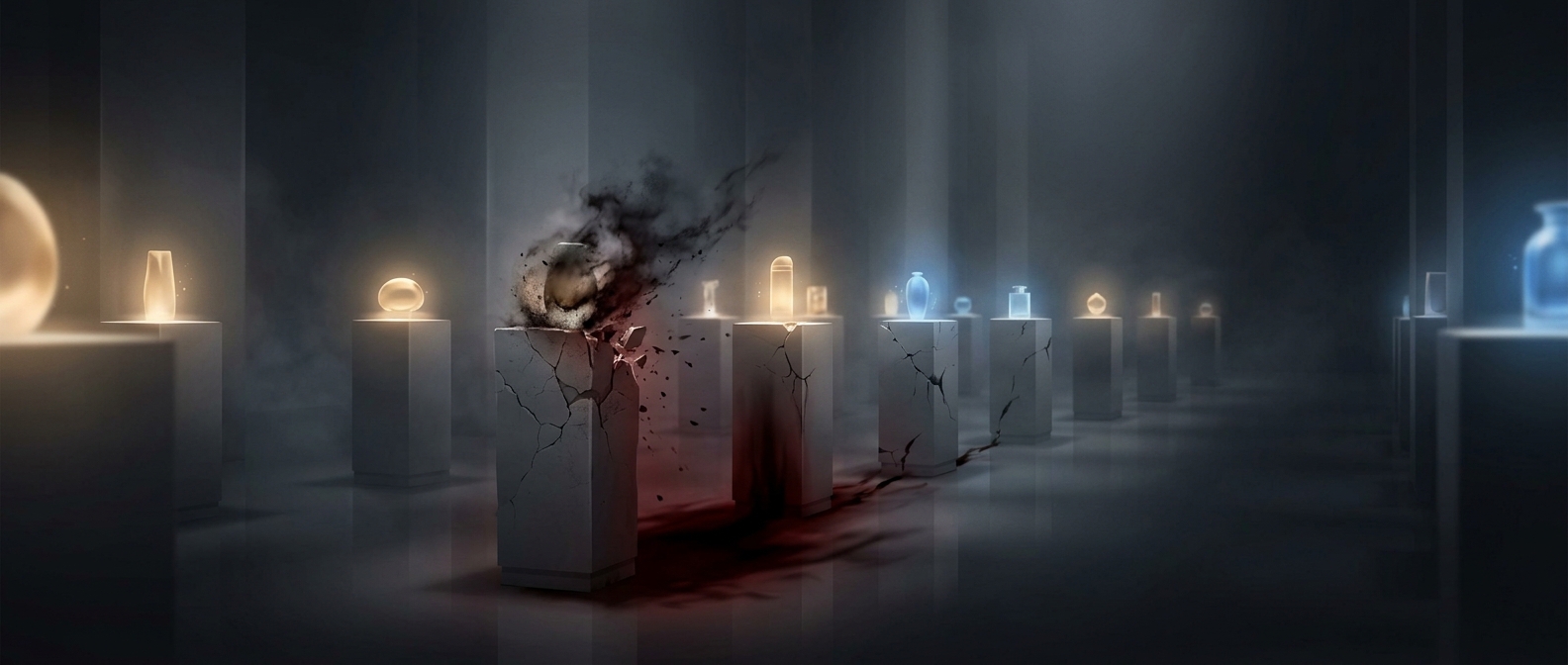
How one bad product can taint an entire brand
One bad experience can color what you expect from everything else with the same logo. Your mind uses the failed product as evidence about the company,…
Discover more
Why terrible jokes stick in your memory
A terrible joke makes your mind predict a punchline, then leaves it holding an empty plate. That awkward mismatch is distinctive, so the failed setup can…
Discover more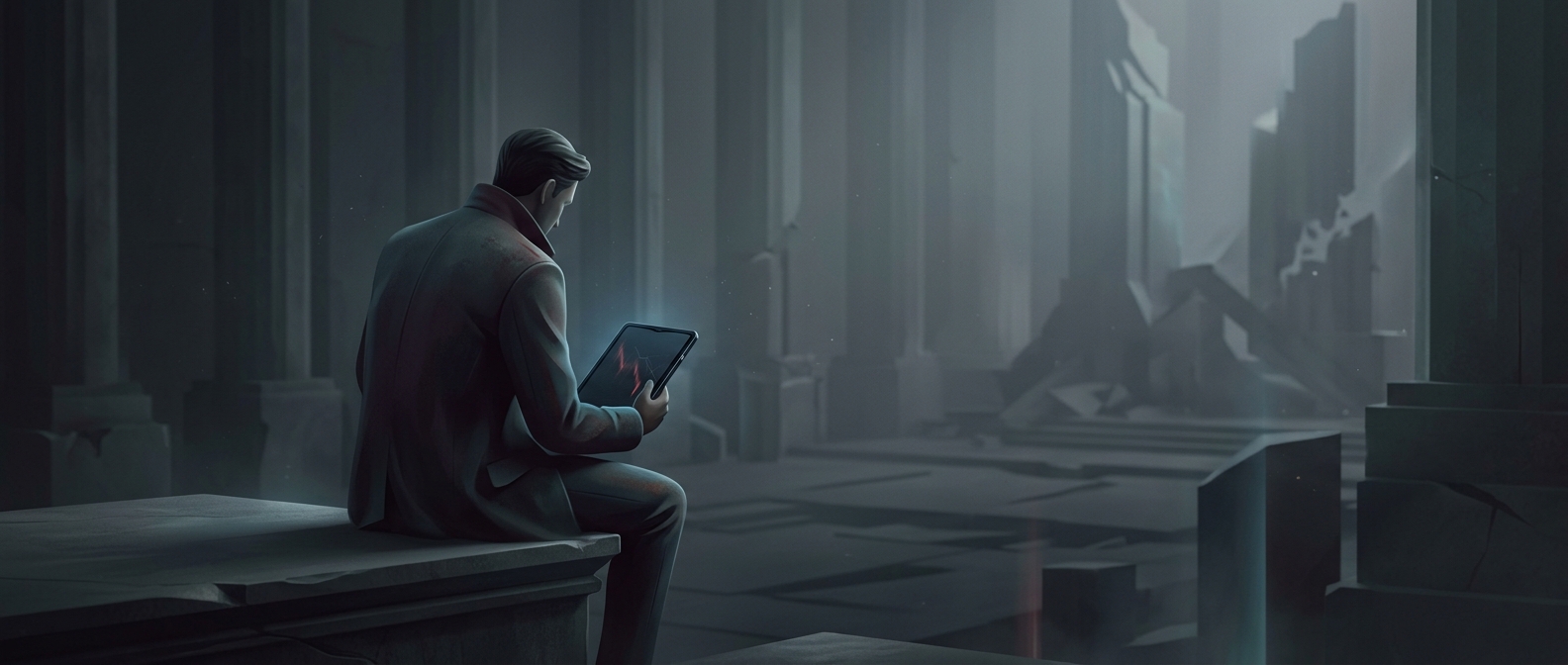
Why people stop checking their investments in a crash
When prices plunge, opening your account can feel like volunteering to watch yourself lose money. Avoiding the screen blocks that immediate sting, so the mind…
Discover more