Why cooking can blunt the first bite
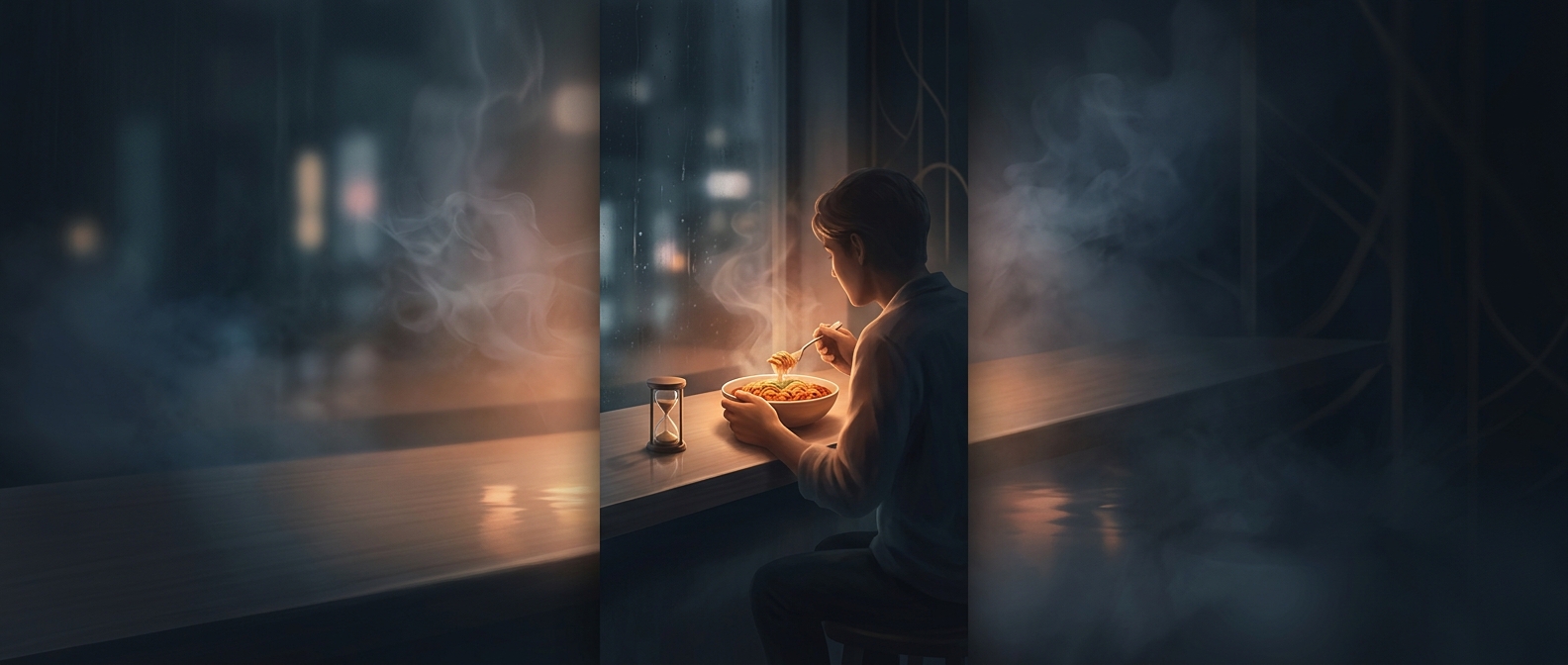
Smell is part of flavor: aromas travel from the mouth to the nose as you chew, helping the brain distinguish one food from another. But the nose adapts to a scent that stays around. After smelling onions, spices, or roasting food for a long time, those aromas can seem less noticeable. The dish itself has not necessarily changed; your sensory system has become less responsive to its steady signals.
Cooking also involves repeated tiny tastes. Each spoonful is a preview, and previews can reduce the novelty that makes a first bite feel vivid. By dinner, the cook may have sampled the sauce several times and adjusted it, while someone arriving at the table meets the finished dish all at once.
The meal carries a different kind of expectation
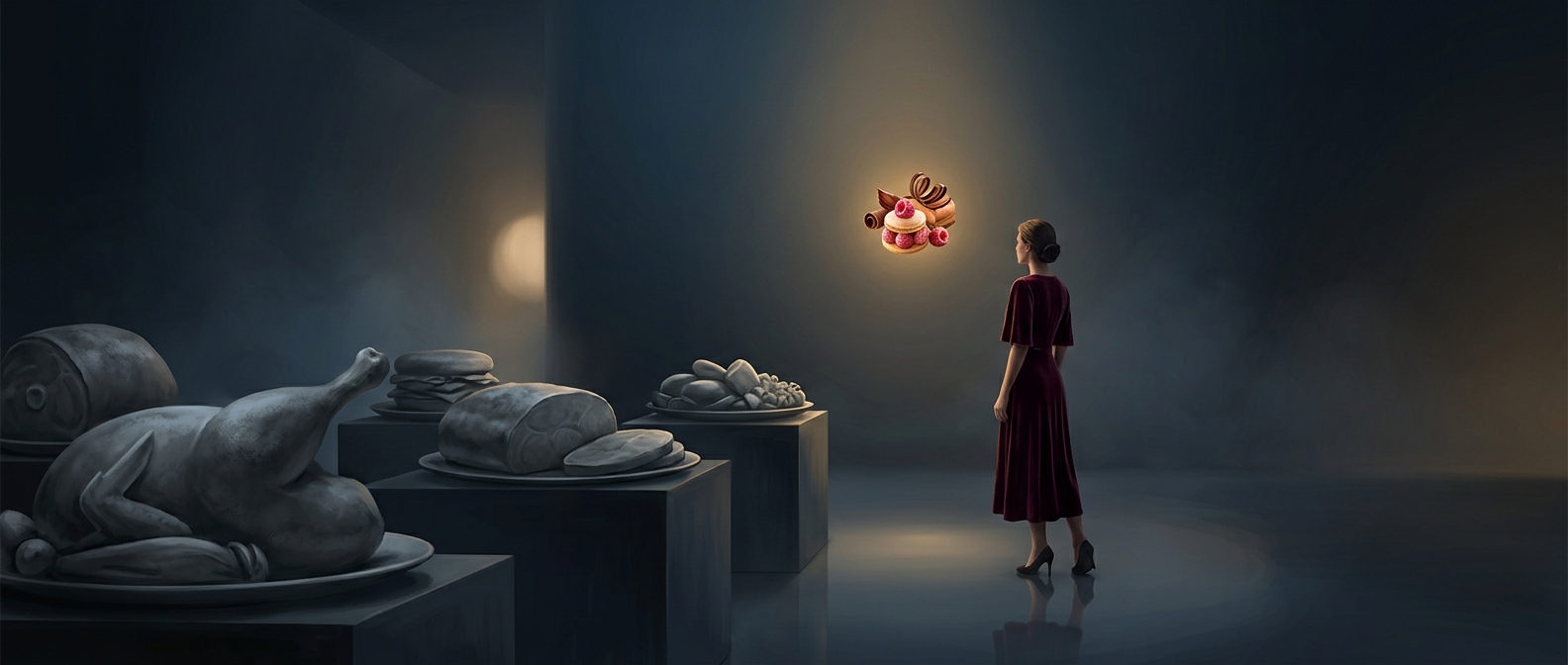
There is also a psychological contrast. A restaurant meal usually arrives after a period of anticipation, and the diner can focus on eating rather than timing, cleanup, or whether the food needs more salt. That shift can make the meal feel more rewarding. At home, the same person may still be thinking about the work involved—or judging the result against the effort it took.
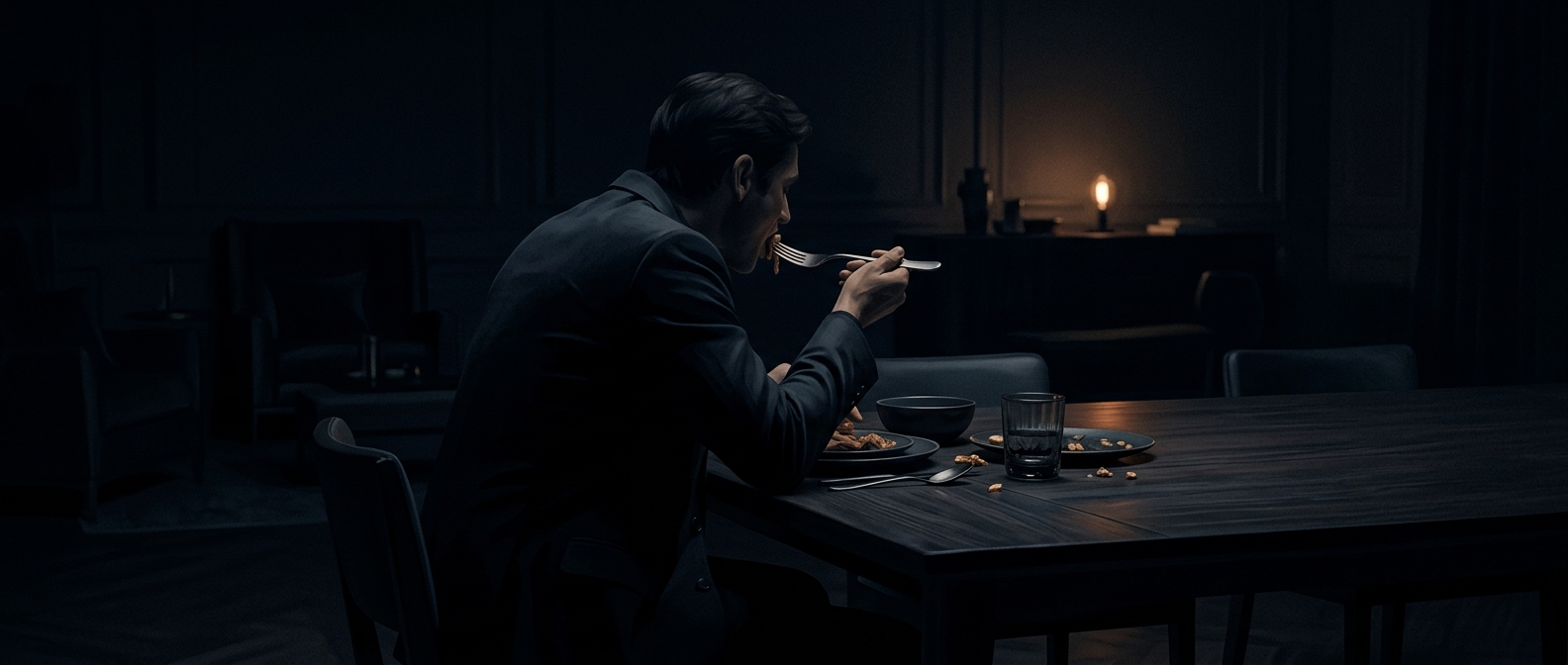
These effects help explain why a dish can taste less exciting to its maker without being worse. The cook encounters the meal as a sequence of smells, decisions, and samples; the diner encounters it as a finished plate. Saving a portion for later, when the kitchen smells have faded and the cook’s attention has moved on, can make that difference especially clear.