Why a comforting bite can change the moment
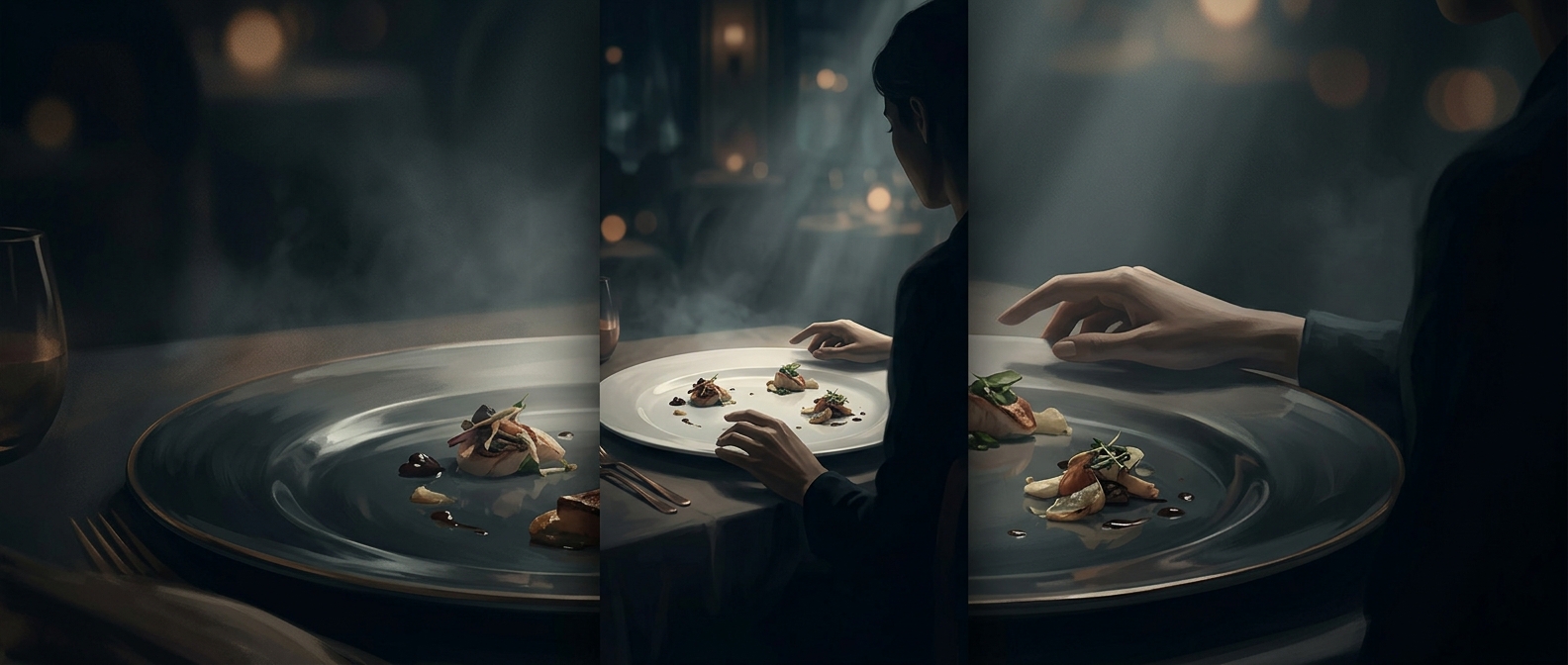
A familiar, satisfying food gives attention something immediate to do: notice its warmth, texture, smell, and taste. That sensory focus can briefly crowd out rumination—the habit of circling the same upsetting thought—while pleasure or a sense of familiarity makes the moment feel easier. The food has not solved the problem; for a short time, it has changed what is most noticeable.
Relief and resolution are different
A low mood often has a cause that remains in place after the last bite: a difficult conversation, an unfinished task, or a worry about what comes next. When eating ends, attention can return to that concern, and the temporary lift may fade. The contrast can make the snack seem ineffective, even though it did offer a real, short-lived shift in experience.
That distinction matters because comfort eating is not automatically a failure of self-control, nor is food a dependable way to change a larger emotional situation. Its effect depends on the person and the moment; a familiar taste may soothe one person, while another barely notices it.
A snack can offer a pause, but a pause is not the same as a solution. Recognizing that can make the comfort easier to appreciate without expecting it to carry more than a brief moment.