Why a small movement can take over your attention
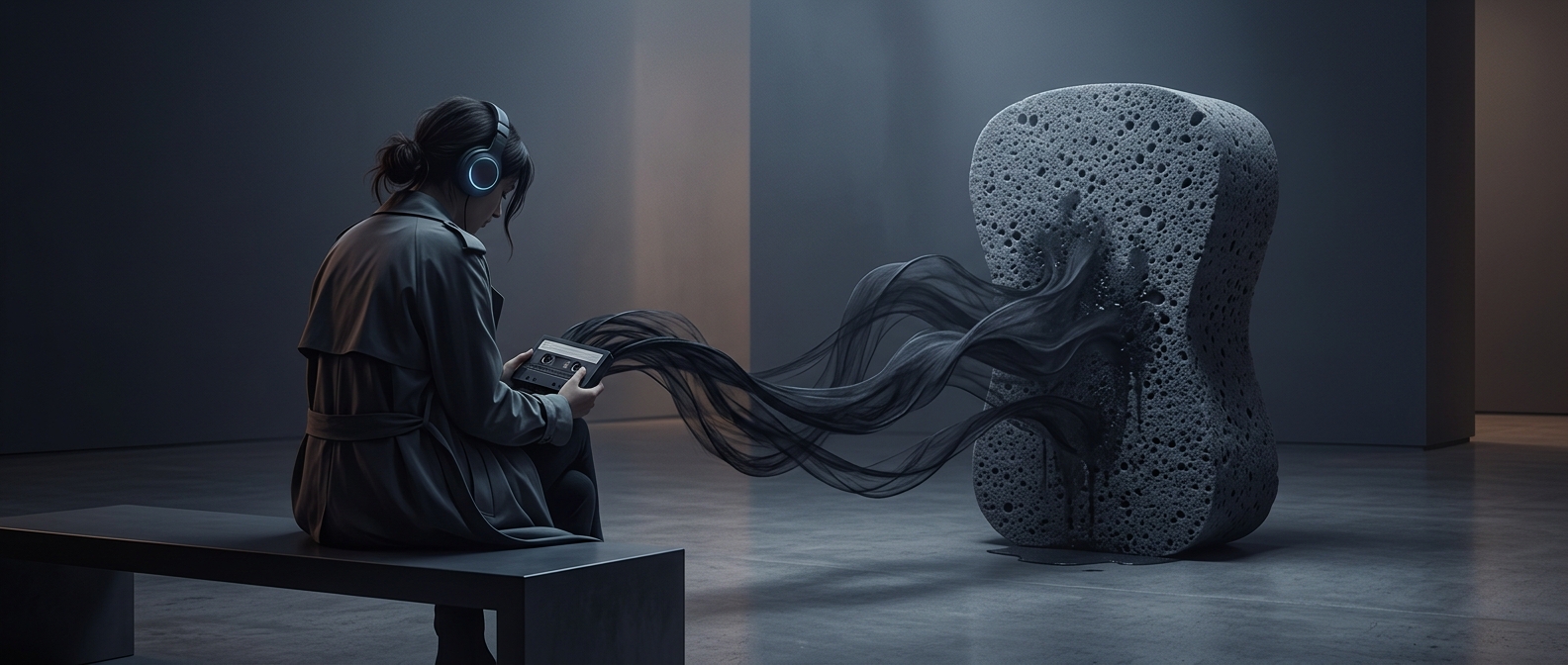
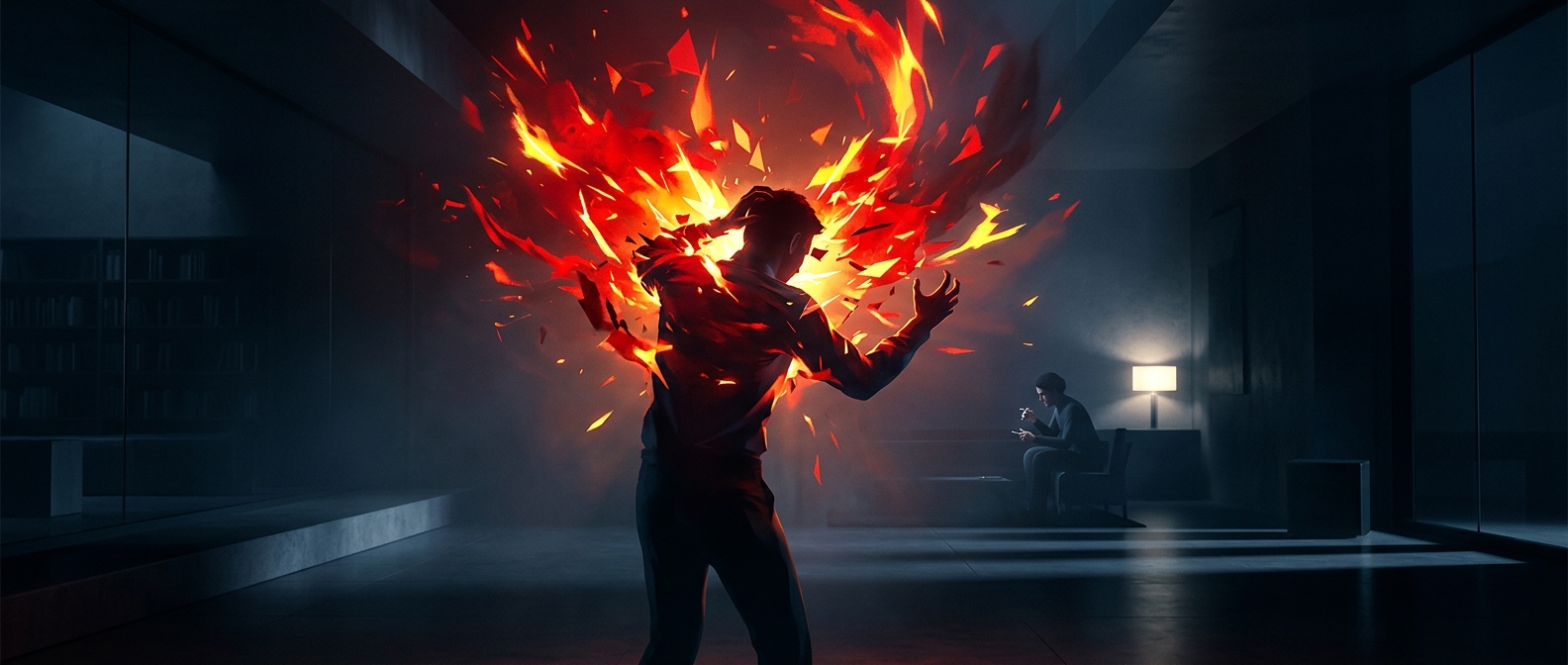
A bouncing knee is visually simple, but it keeps changing. Each shift gives the brain a new bit of motion to notice, while a still object can fade into the background. When you are reading, listening, or trying to think, that repeated signal competes with the task—not because the movement is important, but because it keeps being renewed.
This reaction is sometimes called misokinesia, meaning discomfort or distress triggered by seeing another person’s small, repetitive movements. It can include irritation, tension, or an urge to look away. The experience varies: one person may barely notice a foot tapping, while another finds the same movement hard to ignore.
Why irritation can build
Attention is not a perfect spotlight that stays where you aim it. A moving object can pull it aside, and repeatedly redirecting attention takes effort. If the movement continues, the interruption happens again and again. Frustration may then attach to the person making the movement, even when they are not trying to distract anyone.
The fidgeter may also be unaware of the motion or find it helps them stay comfortable or focused. That mismatch matters: one person experiences an unconscious habit, while the other experiences a recurring interruption. Understanding the difference can make it easier to ask for a change without treating the movement as deliberate provocation.
The practical consequence
A small adjustment—changing seats, shifting your line of sight, or calmly mentioning the distraction—can reduce the repeated visual cue. The goal is not to decide that the fidgeting is objectively intolerable; it is to recognize that a tiny movement can demand a surprisingly large share of someone else’s attention.