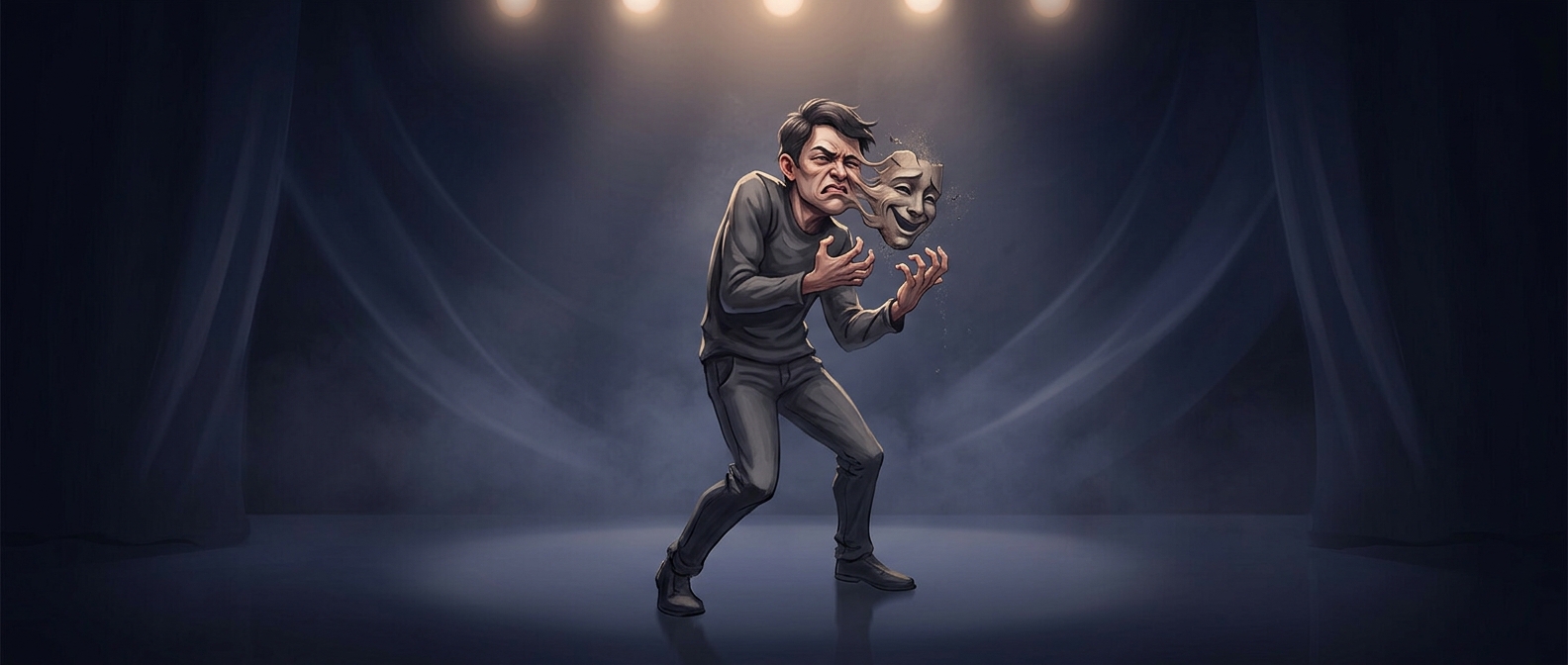
Surprise shrinks when the unknown becomes known
Surprise is often a brief response to a mismatch: something happens that does not fit what you expected. Your attention snaps toward it while you work out what occurred. Once you identify the cause and update your expectations, the mismatch is smaller. The event may still matter, but the feeling of surprise has less work to do.
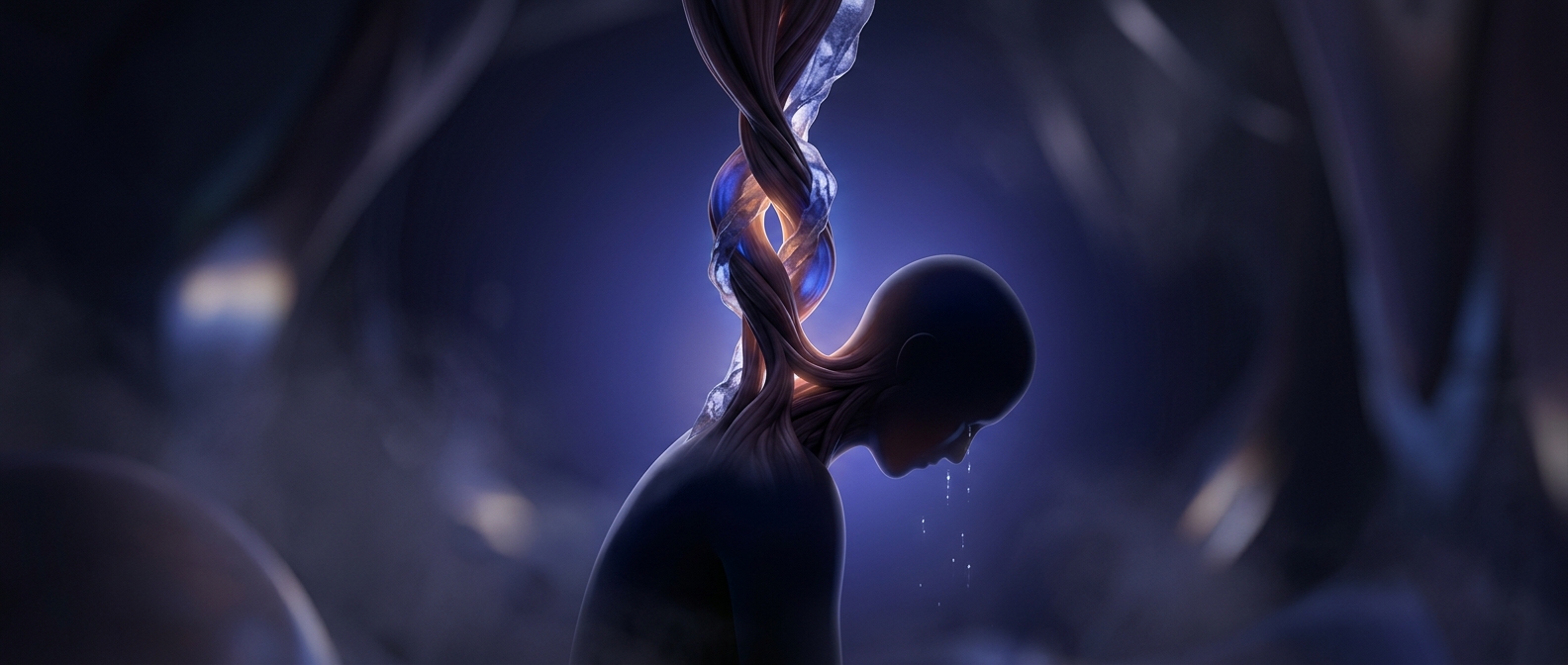
Sadness keeps returning to what changed
Sadness after a loss is different because understanding the event does not undo its consequences. A person may grasp what happened immediately and still have to adjust to an empty place in a routine, a changed relationship, or a future that now looks different. The mind revisits the loss in different situations, connecting it to memories, plans, and everyday choices.
That repeated attention is not simply a puzzle waiting for one final answer. It can reflect the ongoing work of recognizing what is gone and adapting to life without it. A reminder—a familiar place, an anniversary, or an old habit—can make the change newly present, even after the initial shock has passed.
The difference is what remains unresolved
Surprise tends to ease when the unexpected becomes explainable. Sadness can persist because the loss remains consequential, not because the person has failed to understand it. One feeling responds mainly to uncertainty; the other can return whenever life brings the absence into view.