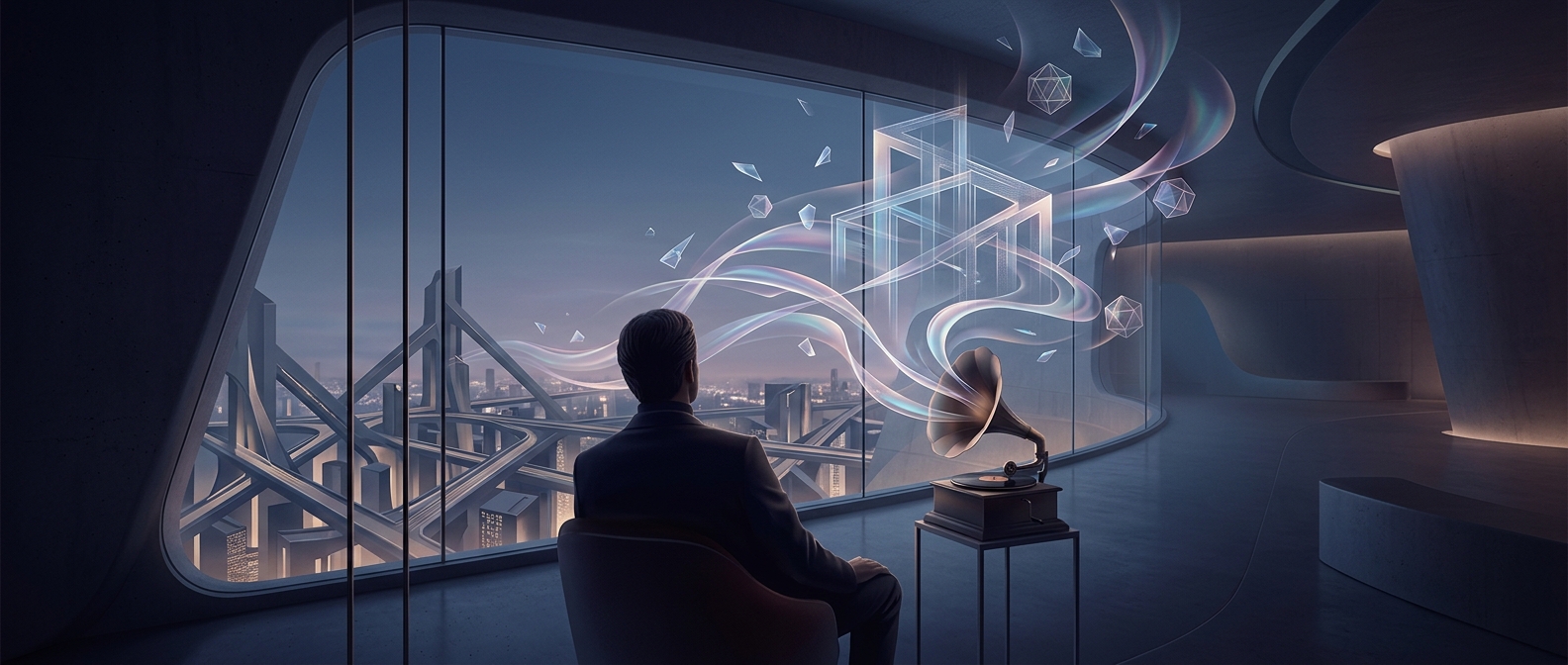
When sound and reward fail to meet
A song can be heard clearly without feeling meaningful. In musical anhedonia, the brain processes musical sounds, but listening produces little or no pleasure. The term anhedonia means reduced ability to experience pleasure; in this case, the effect is specific to music rather than necessarily extending to food, friendships, or other enjoyable experiences.
That distinction matters because music’s emotional force is not contained in the notes alone. The brain has to interpret patterns—such as a rising melody or an expected beat—and connect that interpretation to its reward system, which helps create feelings of enjoyment and motivation.
The missing link
Research on musical anhedonia points to weaker communication between brain regions involved in hearing and those involved in reward. The auditory areas can still recognize a tune and follow its structure. But that information may not produce the rewarding response that makes a familiar chorus feel thrilling or a slow song feel moving.
This is not simply a failure to hear, understand, or remember music. Nor does the term mean that a person cannot feel pleasure in any part of life. Someone may recognize why other people love a song—or even appreciate its construction—without getting the physical lift or emotional warmth that listeners often describe.
Why the difference is easy to miss
Music is often treated as a universal emotional language, so a flat response can look like indifference or poor taste. But preference and pleasure are not the same thing: a person may have favorite songs for their lyrics, memories, or social meaning while still feeling little reward from the sound itself.
The key point is that musical enjoyment depends on a connection, not just an intact ear. When that connection is weak, the melody reaches the listener—but the expected emotional payoff may never arrive.