How daylight reaches the body clock
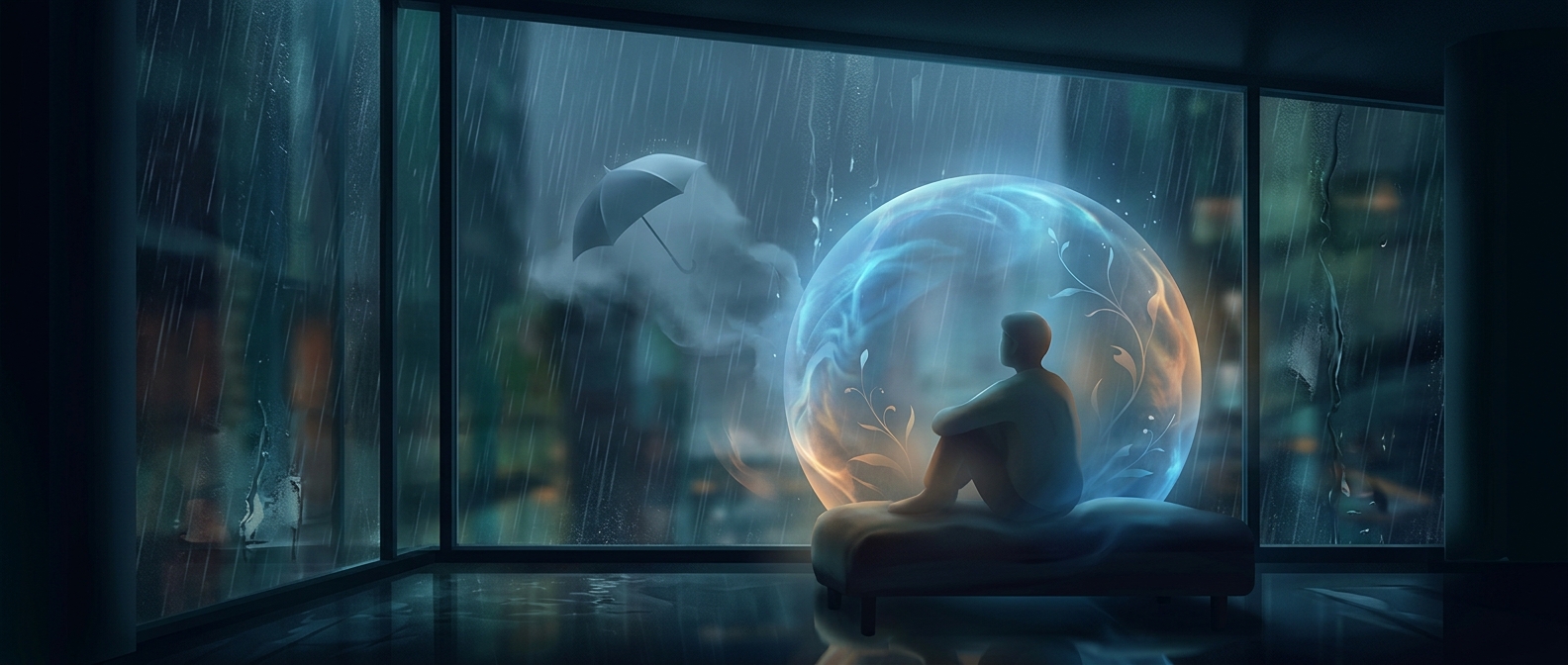
Light is not only something the eyes use to form images. Specialized cells in the retina also register overall brightness and send timing signals to the brain’s body clock, which helps coordinate sleep, alertness, and other daily rhythms. A bright morning gives that clock a stronger cue that the active part of the day has begun; a dim, overcast morning may provide a weaker one.
That does not mean a cloudy day automatically disrupts anyone’s rhythm. Indoor light is often much dimmer than outdoor daylight, even under gray skies, so spending the morning inside can further reduce the brightness signal reaching the eyes. The effect depends on a person’s routines and sensitivity, not just the forecast.
Why a small shift can feel like a heavy day
When the day’s timing cues are less distinct, some people may feel less switched on in the morning or find their energy harder to sustain. Low energy can make ordinary tasks feel more effortful, while staying indoors or moving less may also reduce chances for activity and social contact—things that can support mood. These influences can reinforce one another, making a run of dull weather feel more draining than any single gray afternoon.
This is different from saying that clouds alone cause depression. Seasonal affective disorder is a recurring pattern of depression linked to particular seasons, and it is more substantial than a passing dip in mood. The useful distinction is between a temporary response to dim conditions and a persistent, disruptive change that deserves attention.
Making the day’s cue clearer
Getting outside during daylight, especially earlier in the day, can expose the eyes to far more light than a typical indoor setting. Keeping a steady wake time also gives the body clock a consistent schedule to follow. On a gray day, the sky may look uniformly dim, but outdoor daylight can still be a stronger timing signal than light from a room—one reason a short daytime walk can feel different from spending the same hours under indoor lighting.