The mind has to solve a small puzzle
Sarcasm works by making a listener compare two things: the words on the surface and the meaning suggested by the situation. If someone says “Brilliant move” after a harmless mistake, the listener has to notice the mismatch and infer the speaker’s real stance. That extra step shifts attention from the literal sentence to the idea behind it.
This kind of thinking can encourage psychological distance: looking at an event less narrowly and considering what it represents, what else it resembles, or how it might be approached differently. Those shifts are useful in creative work, where a solution often comes from reframing a problem rather than repeating the obvious first answer.
Why the relationship changes the effect
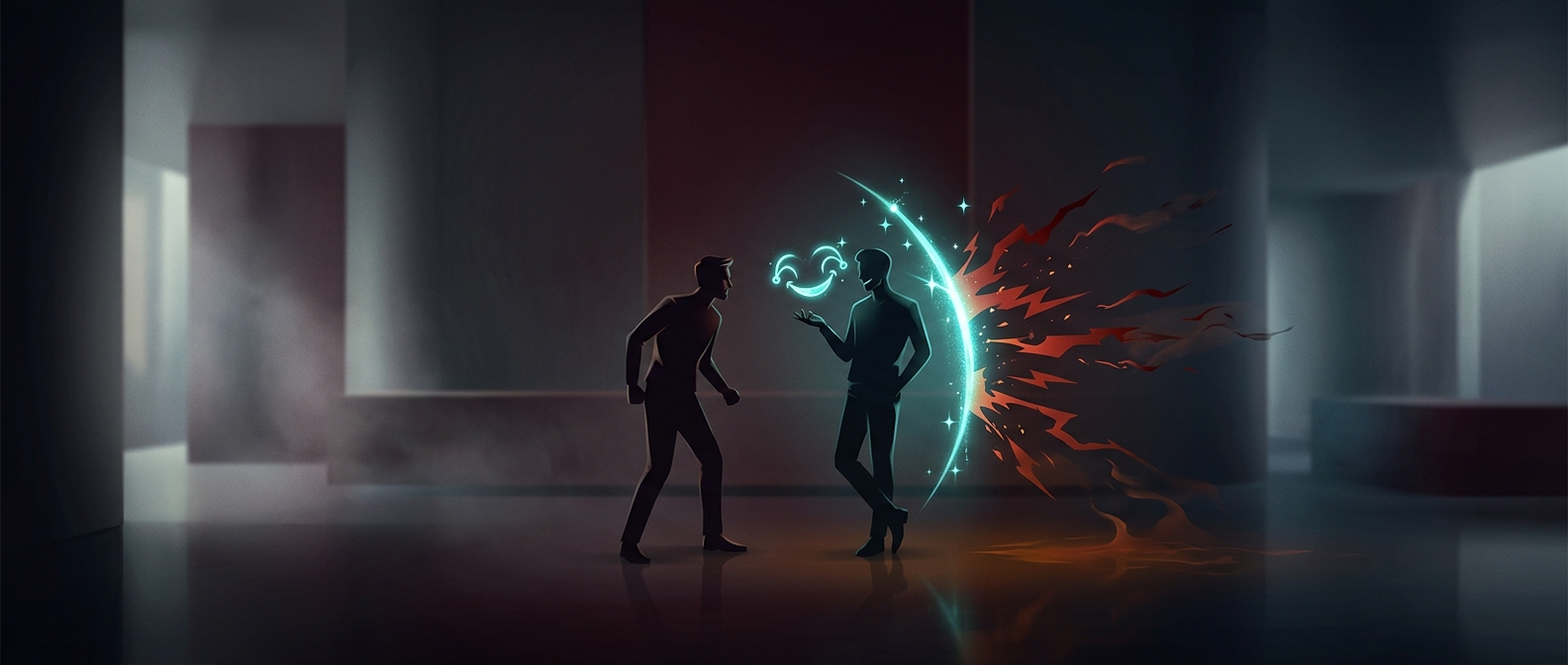
The same remark can feel playful between people who understand one another and hostile between people who do not. Familiarity and trust help listeners read a teasing tone as intentional play, leaving room to respond to the underlying idea instead of defending themselves against an insult. In a tense or unequal relationship, the effort may go into figuring out whether the speaker is attacking, not exploring a new perspective.
Sarcasm is therefore not a creativity trick that works on command. Its benefit depends on how the listener interprets it and whether the exchange feels safe enough to continue. A well-timed ironic comment may loosen a group’s usual way of seeing a problem; the same words, delivered without trust, can shut the conversation down.