Why a straight-faced insult can feel so final
Mockery usually leaves room for interpretation. A grin, exaggerated voice, or shared laugh can signal that the speaker is playing, even when the words are sharp. Without those cues, the listener has fewer reasons to treat the remark as anything but a genuine evaluation.
That changes the exchange from “we’re joking about this” to “I believe this is ridiculous.” The target is no longer just the subject of a punchline; they are being told that their preference, choice, or judgment falls below the speaker’s standard.
The status move beneath the words
Sincere mockery can also establish who gets to define what counts as normal or worthy. The speaker presents their own taste as the unspoken benchmark and casts the other person as someone who should have known better. Because the judgment is delivered plainly, it can sound less like an attempt to entertain an audience and more like a claim of authority.
That does not mean every blunt remark is a calculated power play. But the social effect can be similar: one person makes the judgment, while the other is pushed into defending themselves, explaining their taste, or deciding whether to challenge the insult.
Why “just kidding” changes the exchange
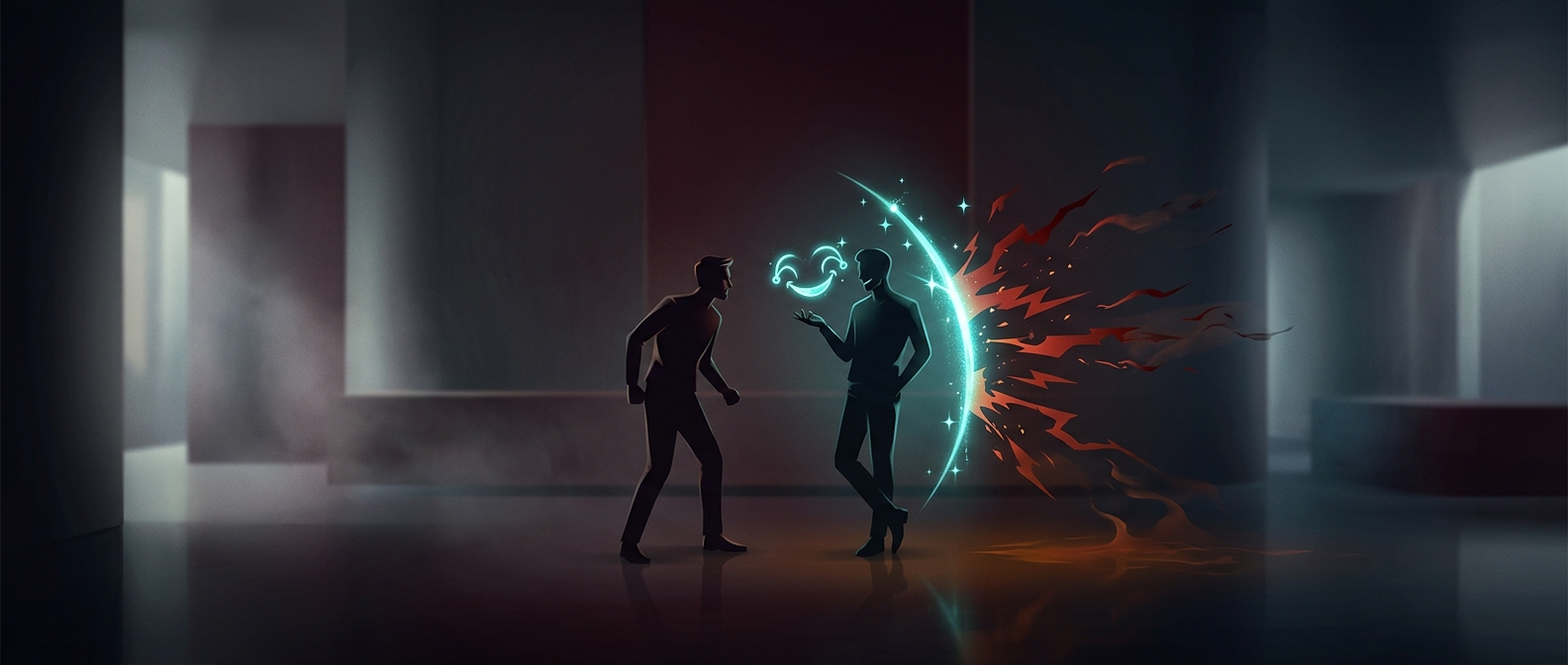
Humor gives a speaker an escape route. If the target objects, the speaker can say the remark was only a joke; if the target laughs, the insult can still land. A sincere, humorless delivery removes that cover. It makes the speaker more accountable for the judgment—and makes the target’s hurt harder to dismiss as a failure to understand the joke.
That is why the same contempt can feel harsher without a laugh: the words remain, but the social permission to treat them as play disappears.