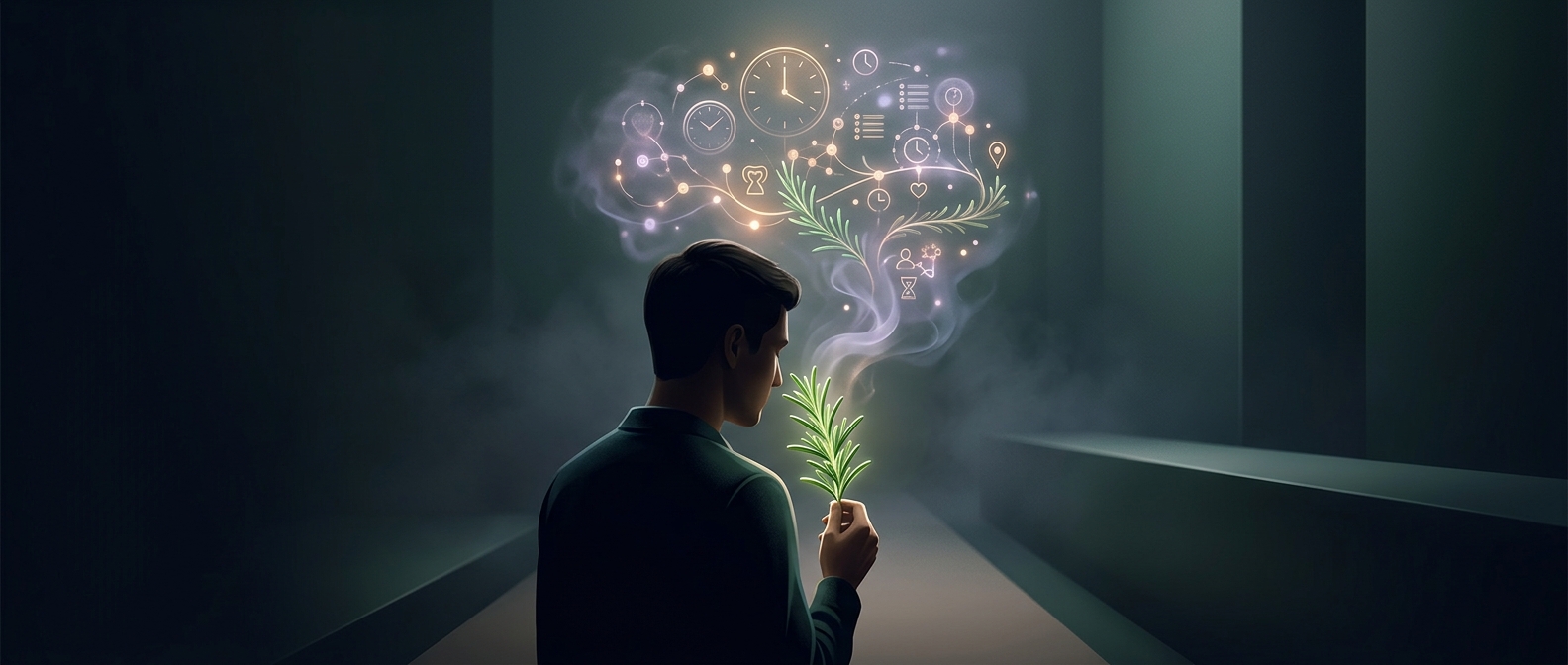
How a question can alter a remembered scene
Remembering is not like replaying a video. When you recall an event, your mind reconstructs it from pieces—such as sights, sounds, and the event’s general meaning. If a detail is missing, the question you hear can supply a plausible way to complete the scene.
That suggestion may then become mixed with the original fragments. Later, you might remember the detail but not its source: it can feel like something you witnessed rather than something someone mentioned afterward. This is a form of memory contamination, in which information encountered after an event influences what a person later recalls.
Why leading wording matters
A leading question does more than ask for a detail; it quietly assumes that the detail was present. Asking whether a car was moving fast, for instance, steers attention toward speed and encourages a particular interpretation. The person answering may use that wording as a cue while rebuilding the memory, especially when the scene itself was unclear.
The effect does not require deliberate deception. People can sincerely report a suggested detail because the boundary between seeing something and later imagining or hearing about it is difficult to track. Confidence alone does not reliably identify where a memory fragment came from.
The practical consequence
This matters whenever people depend on recollection, including eyewitness interviews. Open-ended questions—such as “What do you remember?”—leave more room for a person’s own account than questions that introduce possible details. Careful wording cannot make memory infallible, but it can reduce the chance that an interviewer’s assumptions become part of the story someone believes they saw.