Psychology
Discover facts about psychology. Small discoveries that change the way you see familiar things.
Psychology
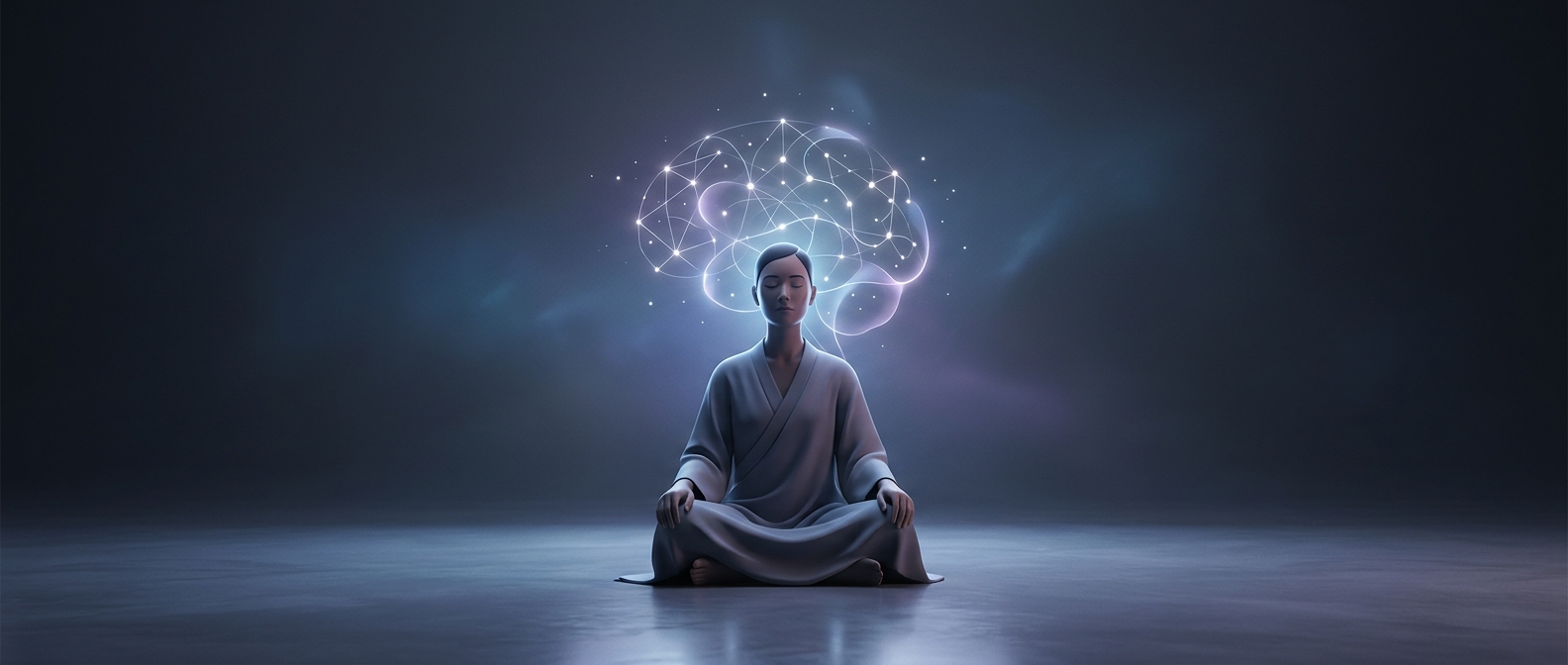
Why doing nothing helps your brain remember
A pause after studying can help more than another round of scrolling. With no new information demanding attention, your mind can revisit what you just learned…
Discover more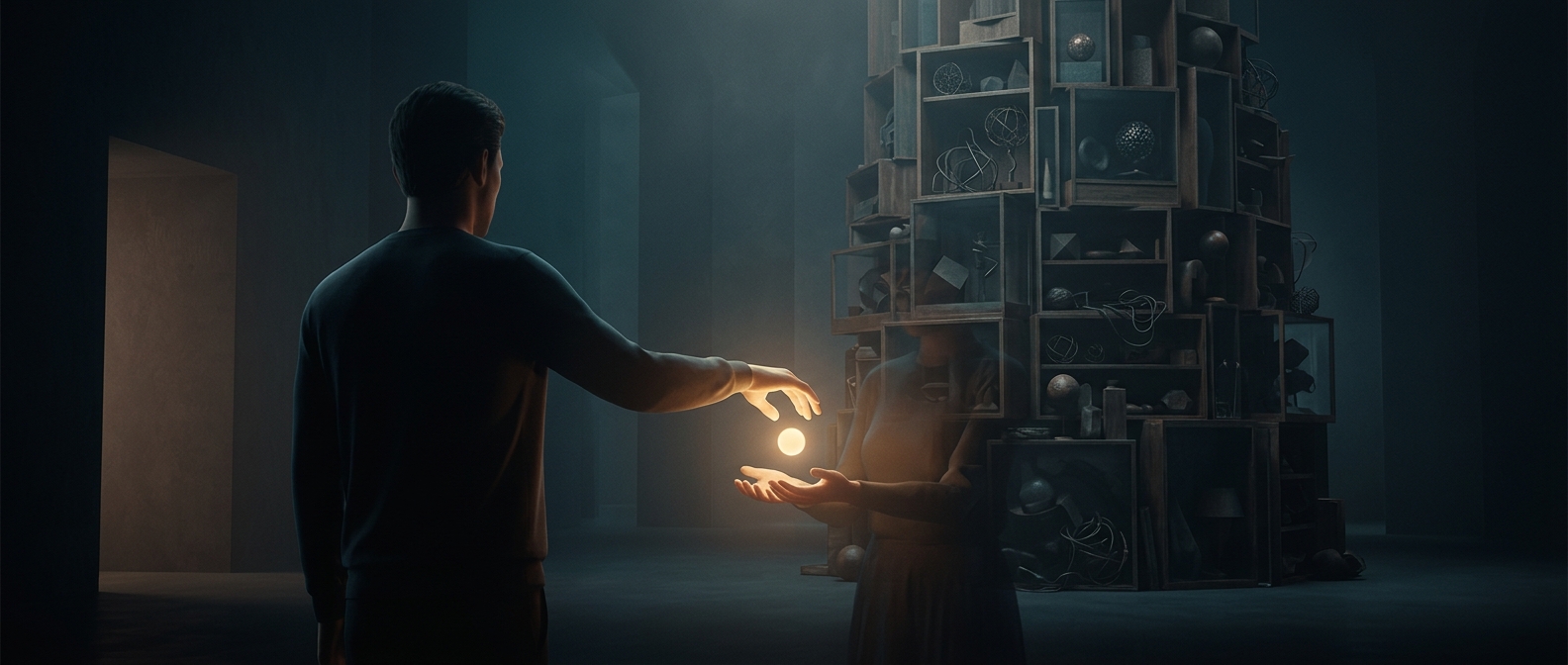
Why spending money on others feels better for longer
A gift doesn’t end at the checkout. You can remember the person’s reaction, revisit the moment, and feel the relationship behind it; that social meaning gives…
Discover more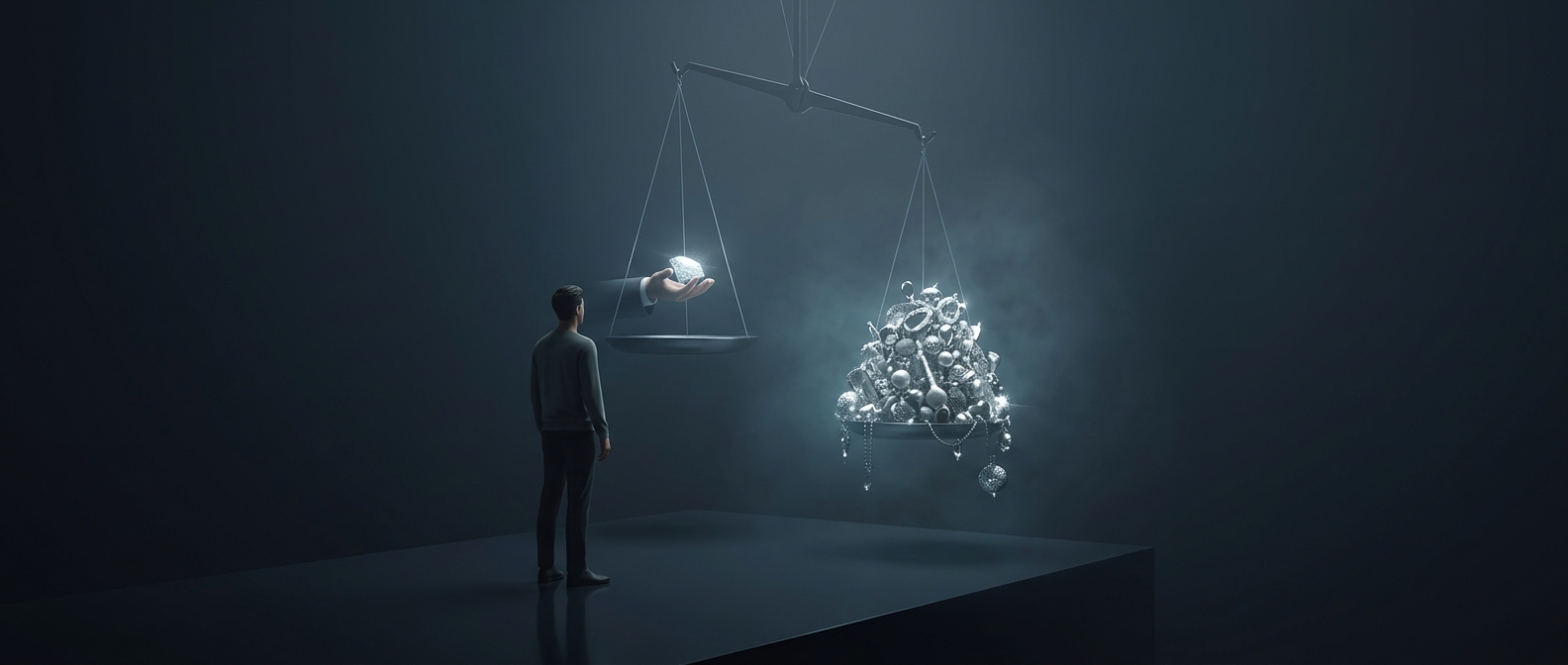
Why “free” can beat a better deal
A deal with a tiny price still asks you to give something up. “Free” removes that felt loss, so people can choose a free item over a better bargain that costs…
Discover more
Some dice players throw harder when they want a high number
Sociologist James Henslin described such rituals among the craps players he observed in the 1960s. The action makes an uncertain result feel connected to a…
Discover more
Trying to connect with someone can make you copy their movements
You lean when they lean; you pick up their phrasing; you laugh at the same beat. People often imitate someone they want to connect with because matching…
Discover more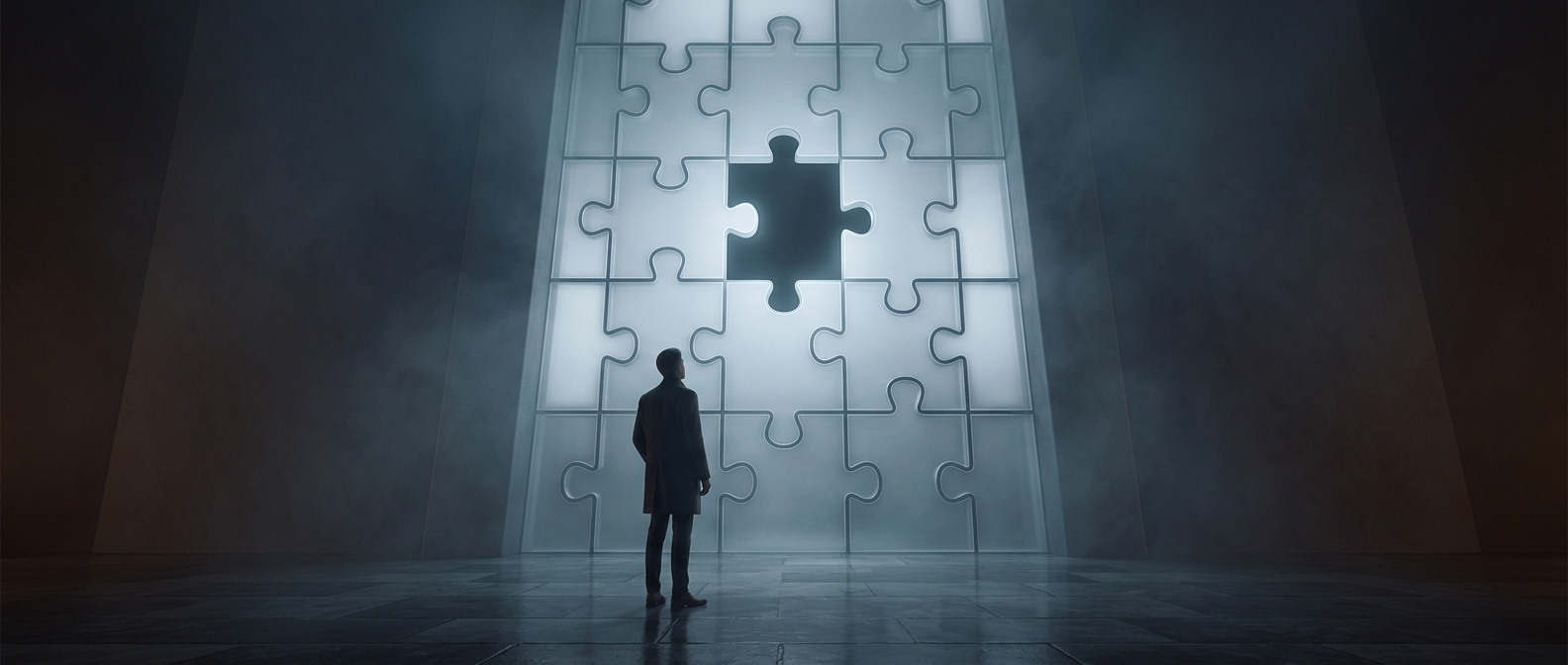
Why knowing almost everything makes you crave the rest
When you are close to understanding something, you can see exactly where the gap is. That unfinished space keeps the question active in your mind, like a song…
Discover more STACKY FOR IPHONE
A bigger world.
One discovery
at a time.
Keep discovering with Stacky. Interesting facts in an app that is always within reach.

Spoilers can make movies more enjoyable
A surprise ending makes you watch for the reveal; knowing it lets you watch for the setup. You can catch the foreshadowing, enjoy the craft, and spend less…
Discover more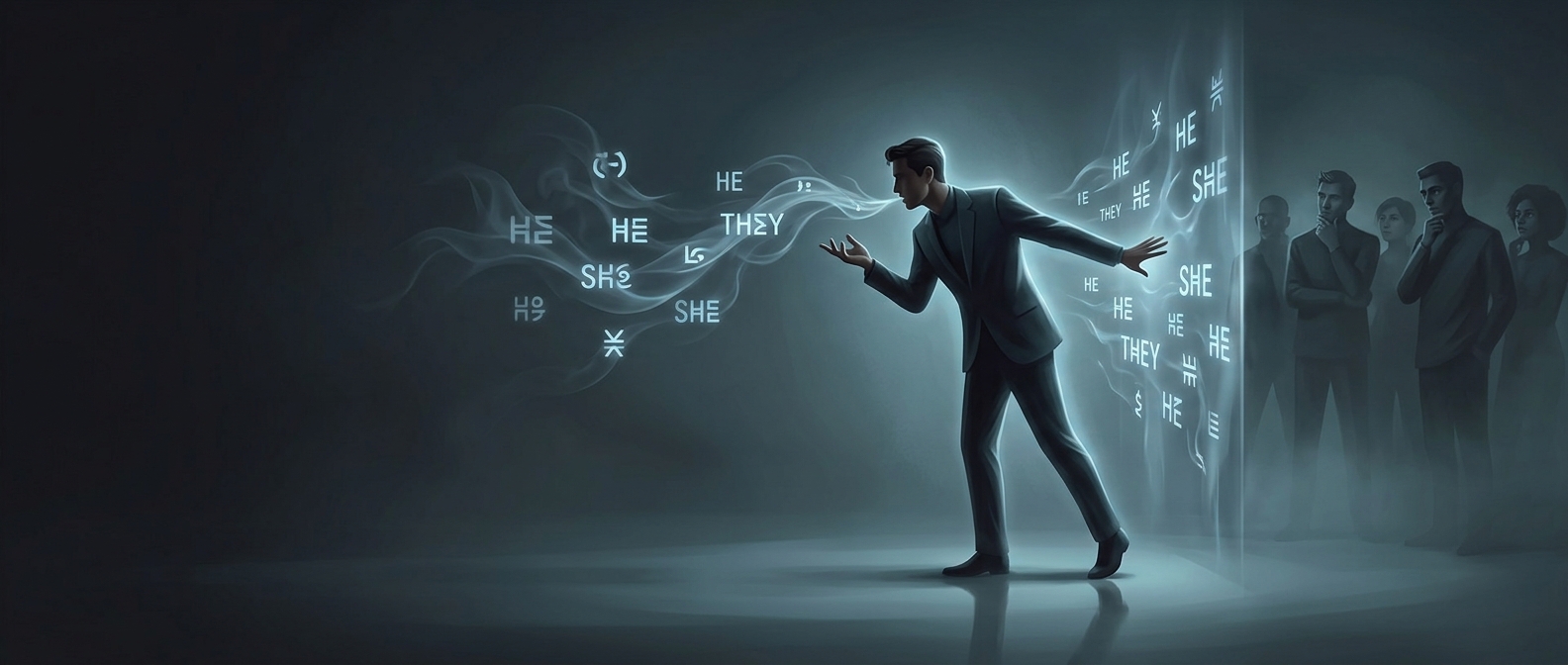
Lie-detection software looks for patterns across words, not a magic tell
Researchers have examined cues such as self-references, emotional language, and sentence structure across truthful and deceptive accounts. The patterns vary…
Discover more
Why identical circles can look different sizes
A circle surrounded by small circles can look bigger than the same circle surrounded by large ones. Your eyes don’t judge its size in isolation; the nearby…
Discover more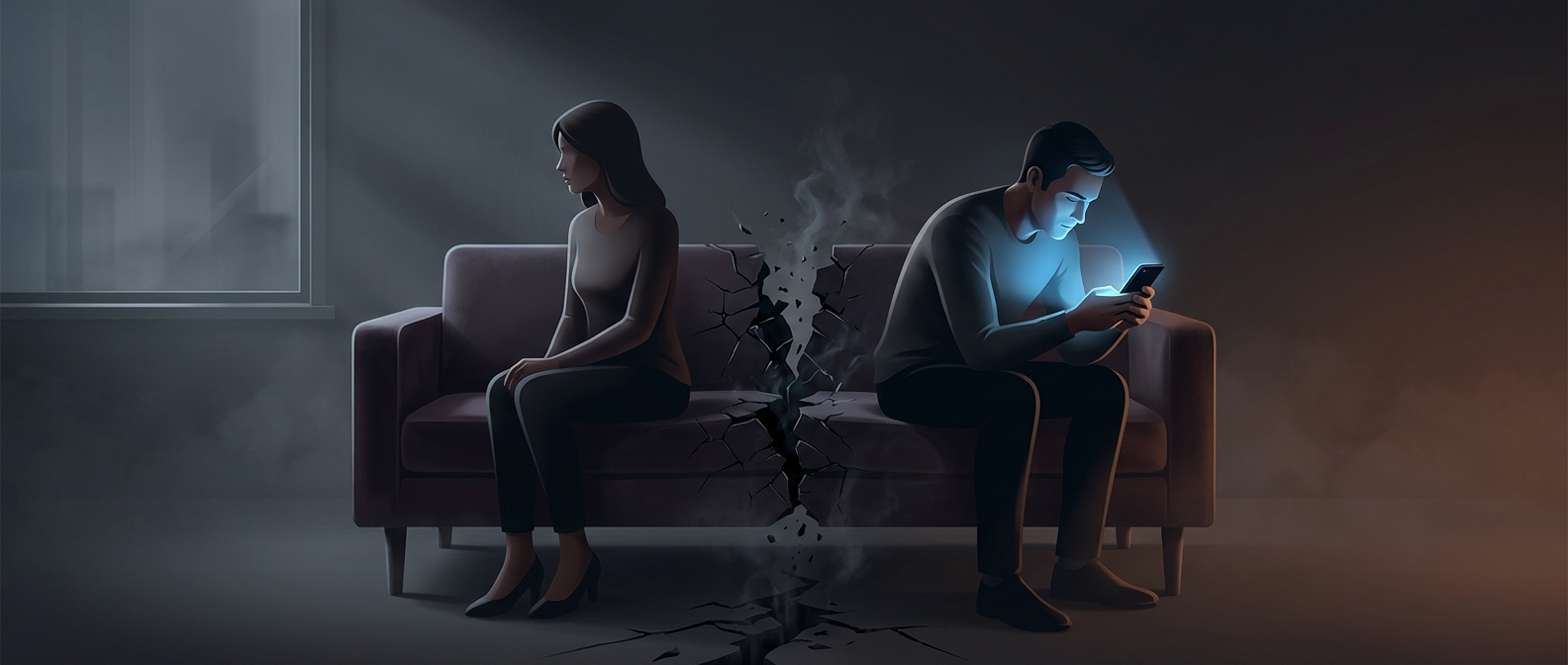
Snubbing romantic partners by looking at a smartphone severely damages relationship trust
Trust depends partly on believing your partner will notice and respond to you. When a phone repeatedly interrupts that exchange, you’re left competing with an…
Discover more
Why your favorite number may be your birthday
A birthday can make a number feel like part of your personal identity. Seeing it again and again gives it a familiarity boost, and self-related details tend…
Discover more
Why having a Plan B can weaken your Plan A
When Plan B is ready, part of your mind may already be stepping toward it. The fallback makes failure feel less costly, which can reduce the commitment that…
Discover more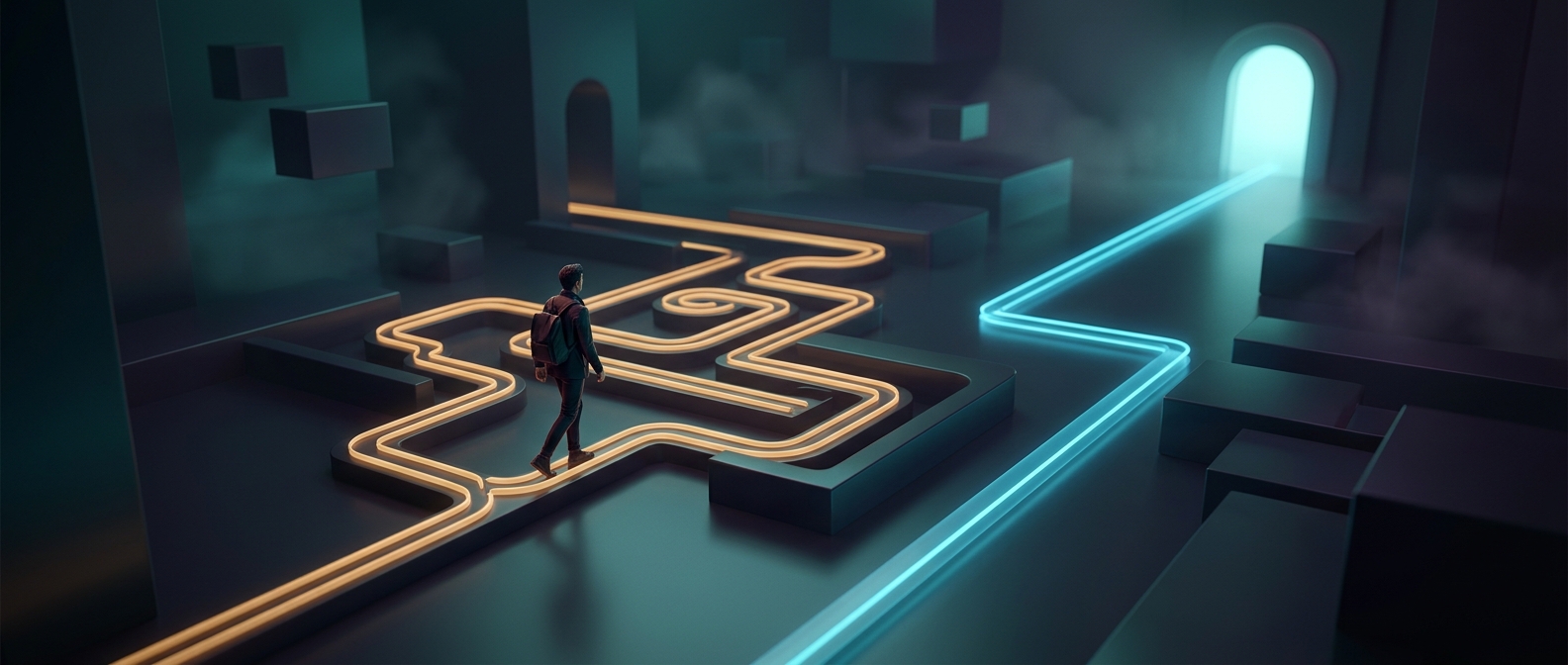
Why people reject better systems
Switching systems makes the possible gains feel abstract and the possible losses feel personal. You can picture the routine you’ll have to relearn, the work…
Discover more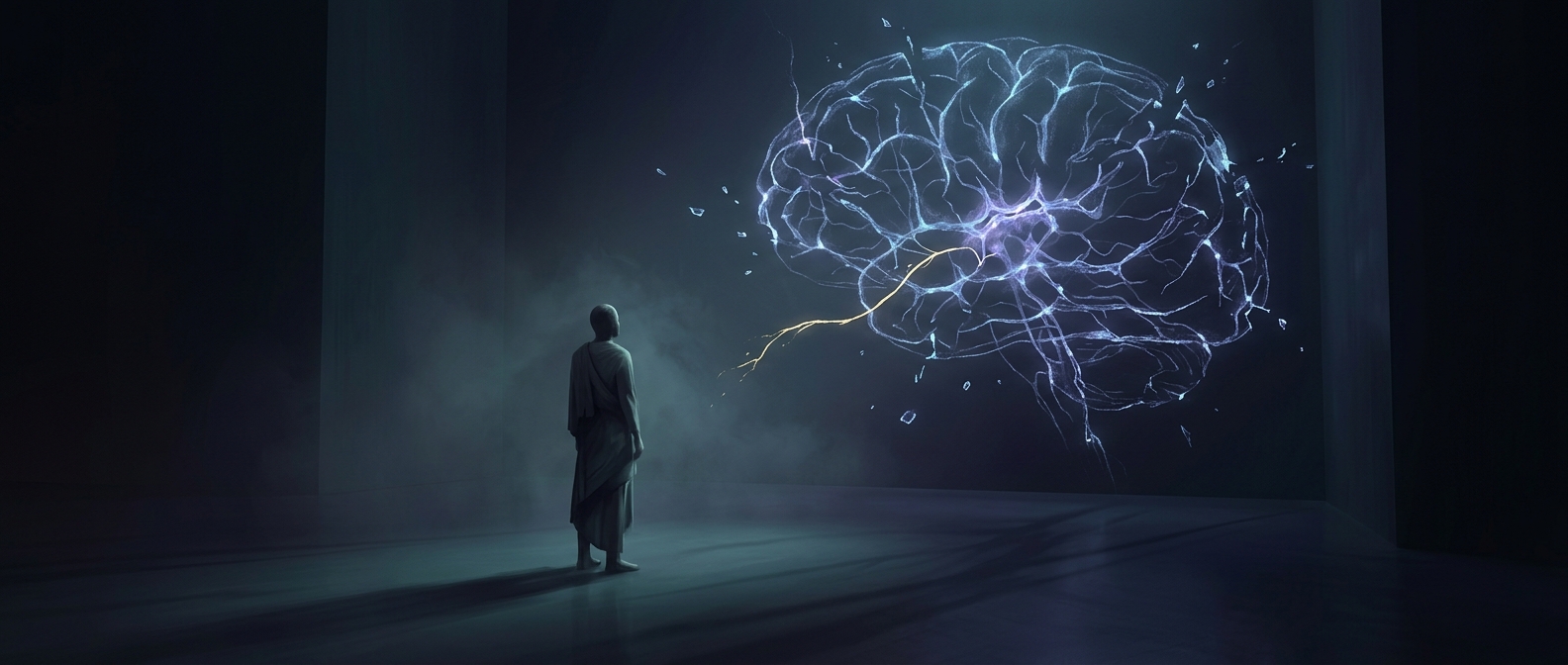
When brain damage erases the will to act
When brain damage disrupts the systems that help turn intention into action, even ordinary choices can stop becoming movements. Someone may understand a…
Discover more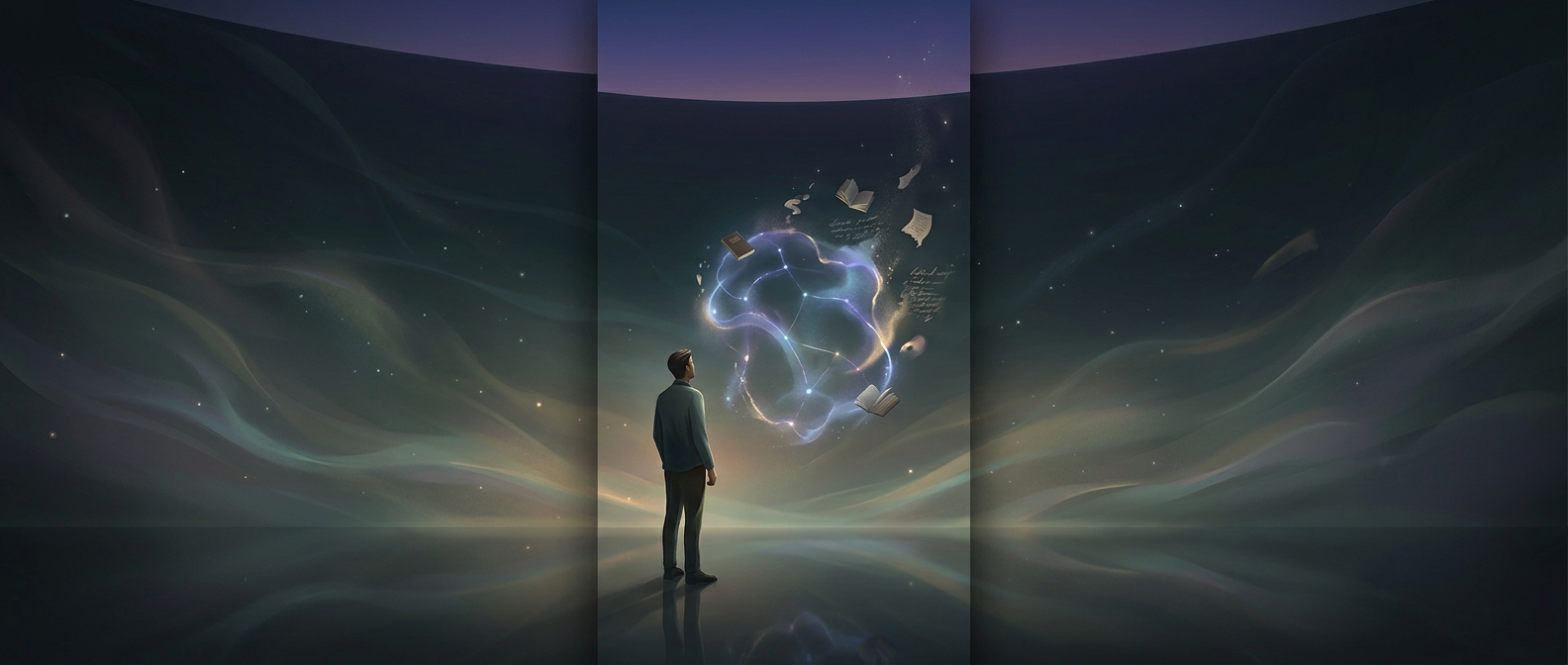
You remember conversations by meaning, not wording
Your memory is less like a recording and more like a note that says, “They were annoyed about the schedule.” Later, it rebuilds the conversation from that…
Discover more
Why words like bark slow your brain down
Read “bark” and your mind may have to choose between a dog’s sound and a tree’s outer layer. Until the sentence settles which meaning fits, your brain is…
Discover more
Why ghosting became normal in the digital age
Messages can make relationships feel close while keeping the people in them physically distant. When a conversation gets uncomfortable, that distance makes it…
Discover more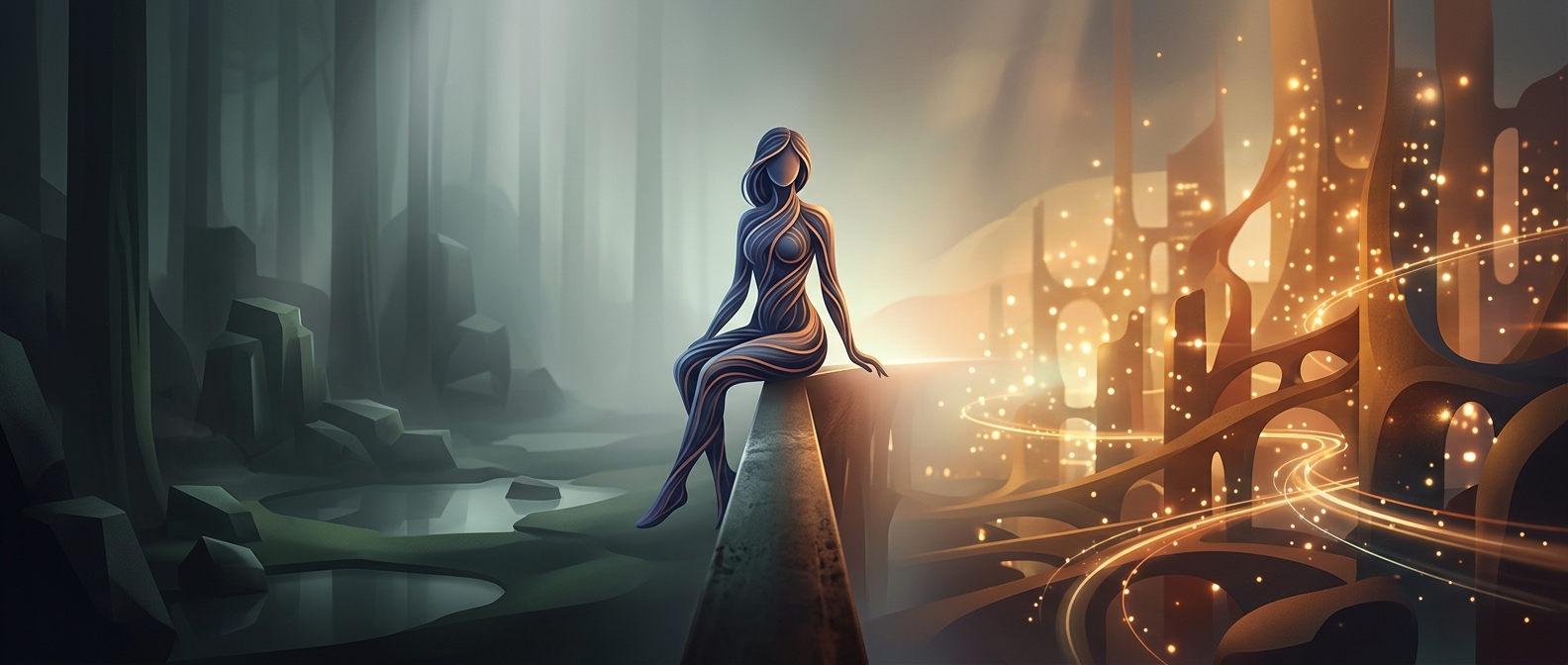
Ambiversion is sitting firmly on the personality fence
Someone can love a crowded party on Friday and crave a quiet morning alone on Saturday. Ambiversion describes that middle ground: socializing can be…
Discover more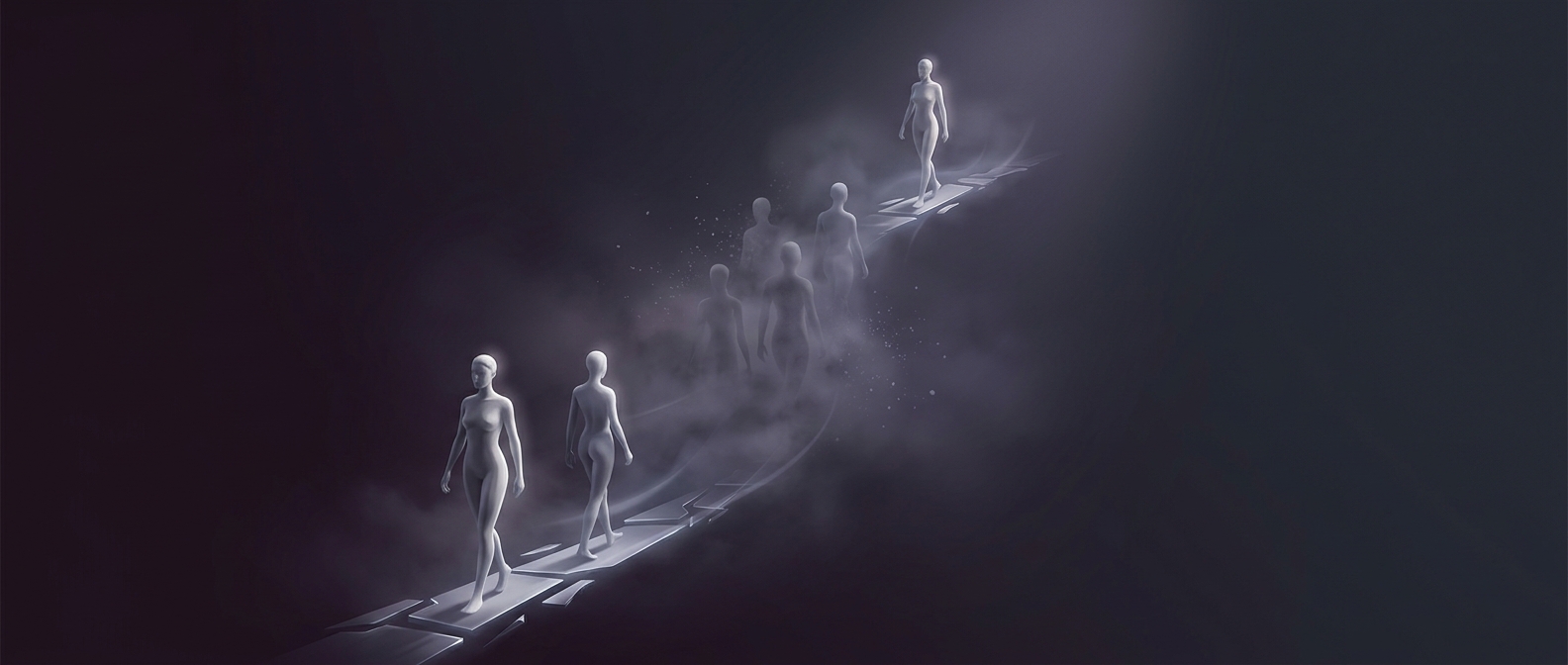
Why you remember the first and last items best
The first items in a list get more chances to be rehearsed and stored in memory; the last ones are still fresh when you’re asked to recall them. The middle…
Discover more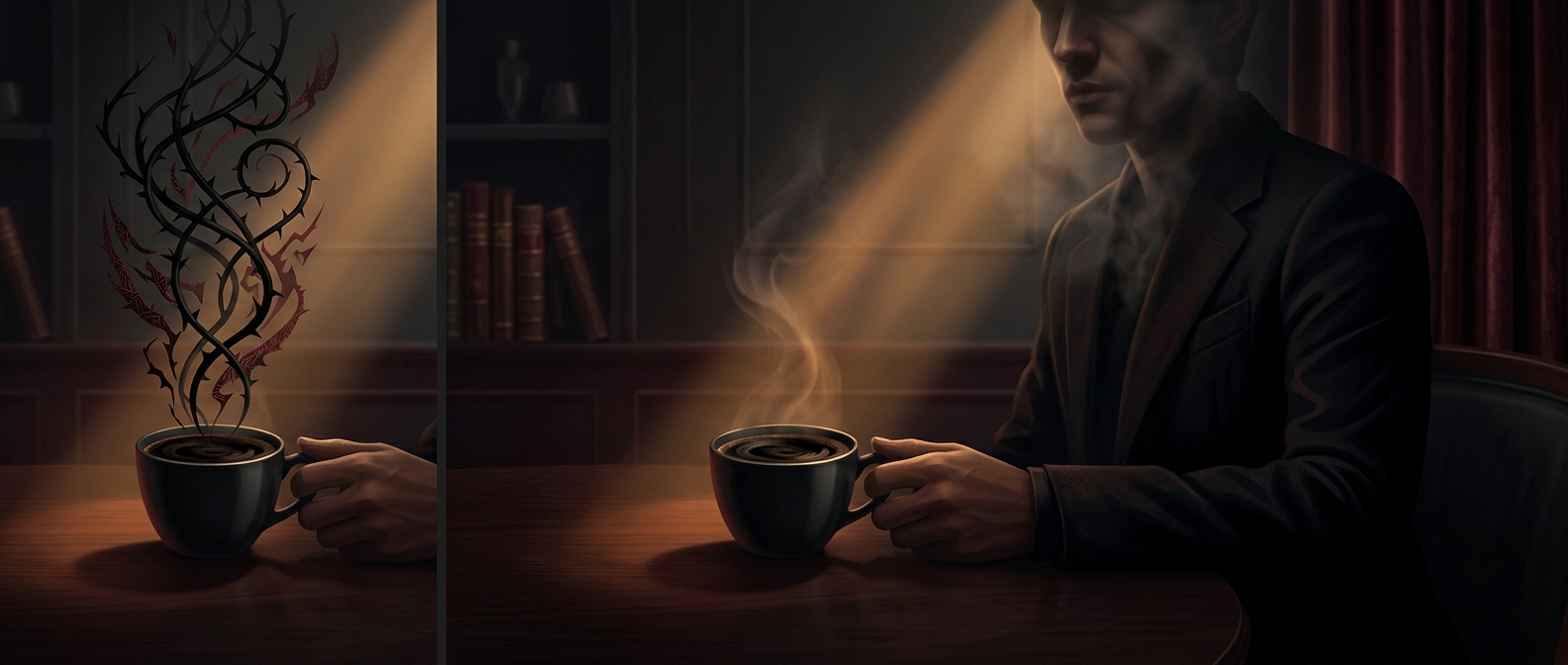
A bitter-taste study compared coffee preferences with personality
Two surveys found a link between liking bitter flavors and higher self-reported scores on traits including everyday sadism. Participants rated both their food…
Discover more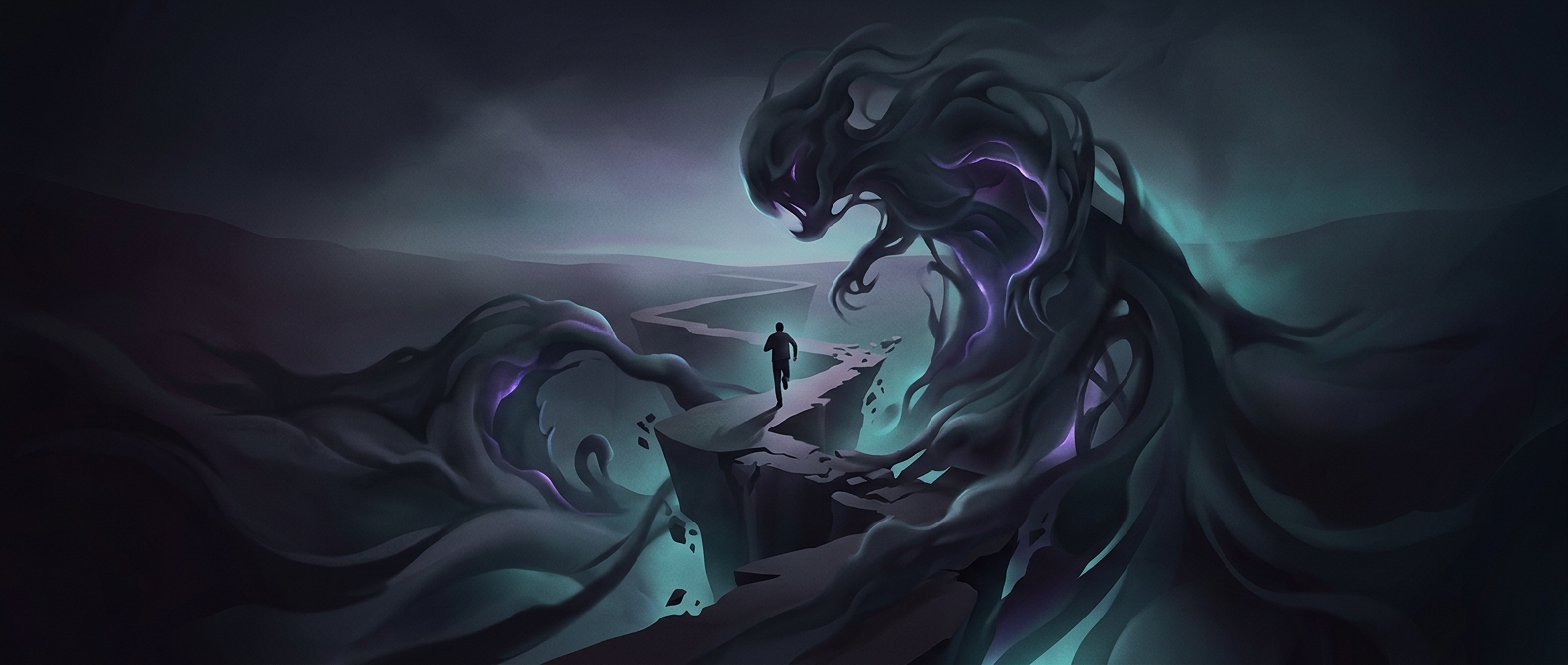
Why you dream of being chased
Being chased in a dream is a vivid way for the sleeping mind to stage danger and helplessness. Threatening dreams can draw on feelings from waking life, then…
Discover more
Tolerance of ambiguity means you enjoy not knowing
When the ending is unclear, an ambiguity-tolerant person can stay curious rather than grab the first explanation that makes the discomfort stop. They can hold…
Discover more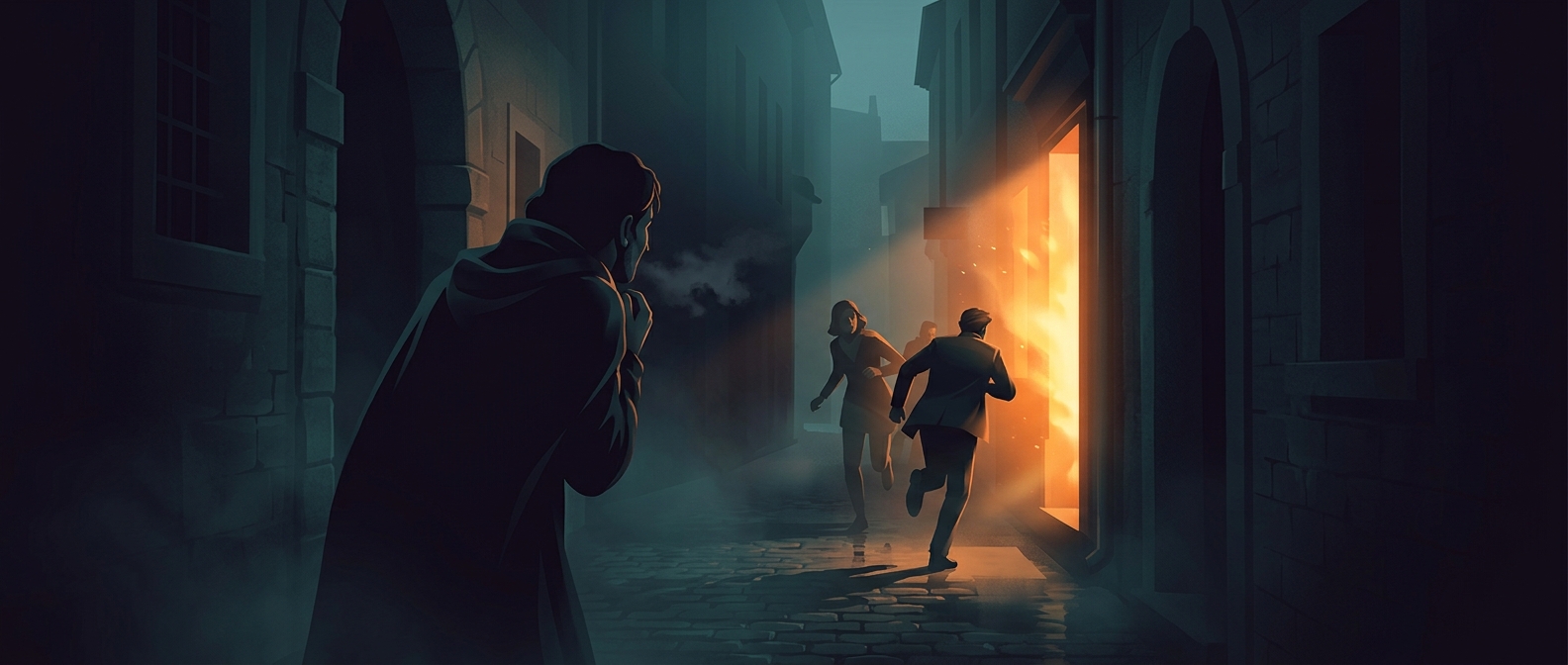
A specific request can break a crowd’s hesitation
When several people witness trouble, each may wait for someone else to take charge. Addressing one person and naming a task—such as calling emergency…
Discover more
Why some people turn every game into a battle
Some people turn every game into a battle because competition gives them a clear scoreboard for something messier: status. A win brings a quick burst of being…
Discover more