A nearly solved question becomes easier to feel
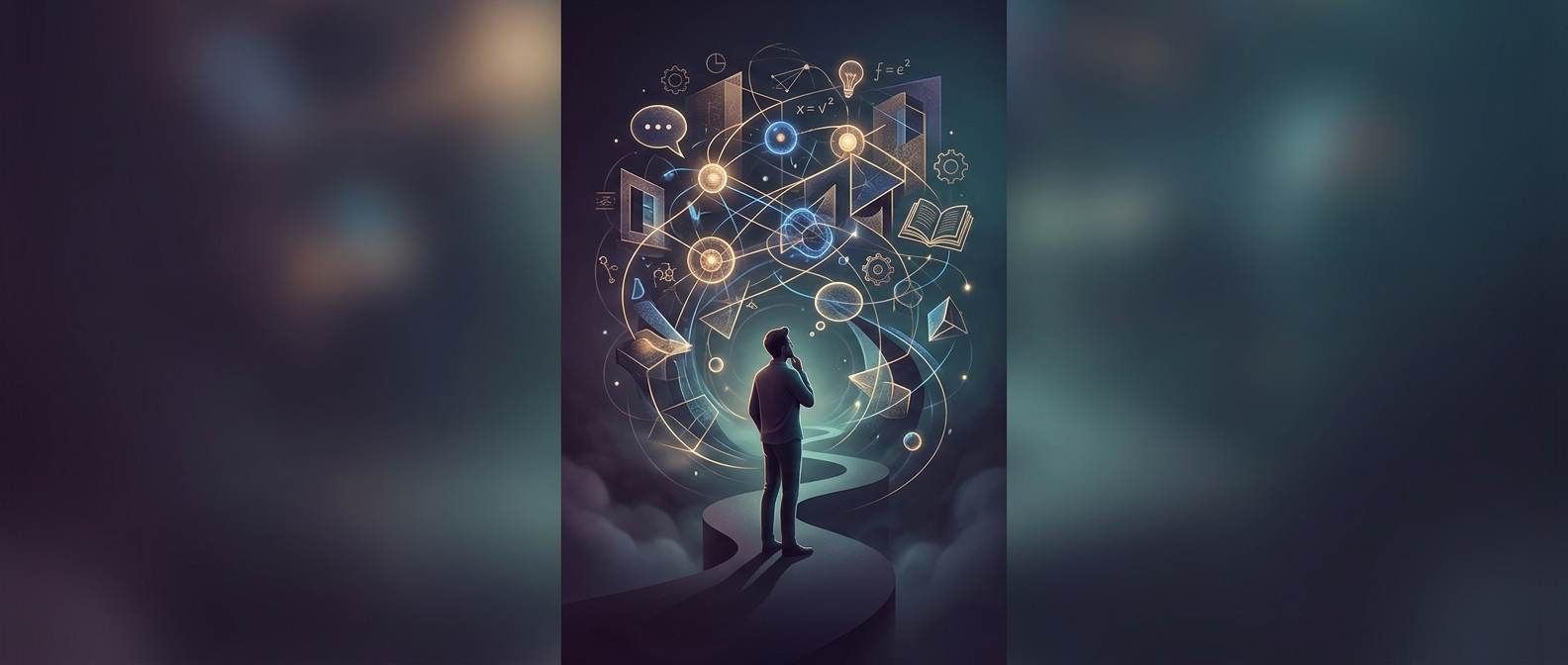
When you know very little about a subject, you may not even know what to ask. But once you have a working picture, its missing piece becomes specific: you know what the explanation should connect, or what fact would complete the pattern. That contrast makes the gap noticeable.
Psychologists often describe this as an information gap: curiosity rises when a person recognizes a difference between what they know and what they want to know. The gap is not merely a blank. It has edges, because the surrounding knowledge tells you what is missing.
Your mind keeps the open question available
A partly answered question can hold attention because your mind is already organizing the relevant clues. It may keep testing possible answers, noticing related details, or returning to the point where the explanation breaks. This is why a forgotten name can nag more than a name you never encountered: you have enough context to search for it, but not enough to finish the search.
The same mechanism helps learning. A question that is just beyond what you understand gives new information somewhere to attach. Once the missing link arrives, it can reorganize the pieces you already had, making the answer feel more satisfying than a fact encountered without context.
The gap has to feel answerable
Not every unknown creates curiosity. If a subject is completely unfamiliar, the missing information may be too vague to pursue. If the answer seems impossible to find, the gap can feel frustrating rather than inviting. Curiosity is strongest when you can picture what would count as an answer and believe it might be within reach.
That is why a nearly completed puzzle can be harder to set aside than an untouched one: the unfinished space is small enough to recognize, but still large enough to keep the mind working.