Why an odd detail can hold your attention
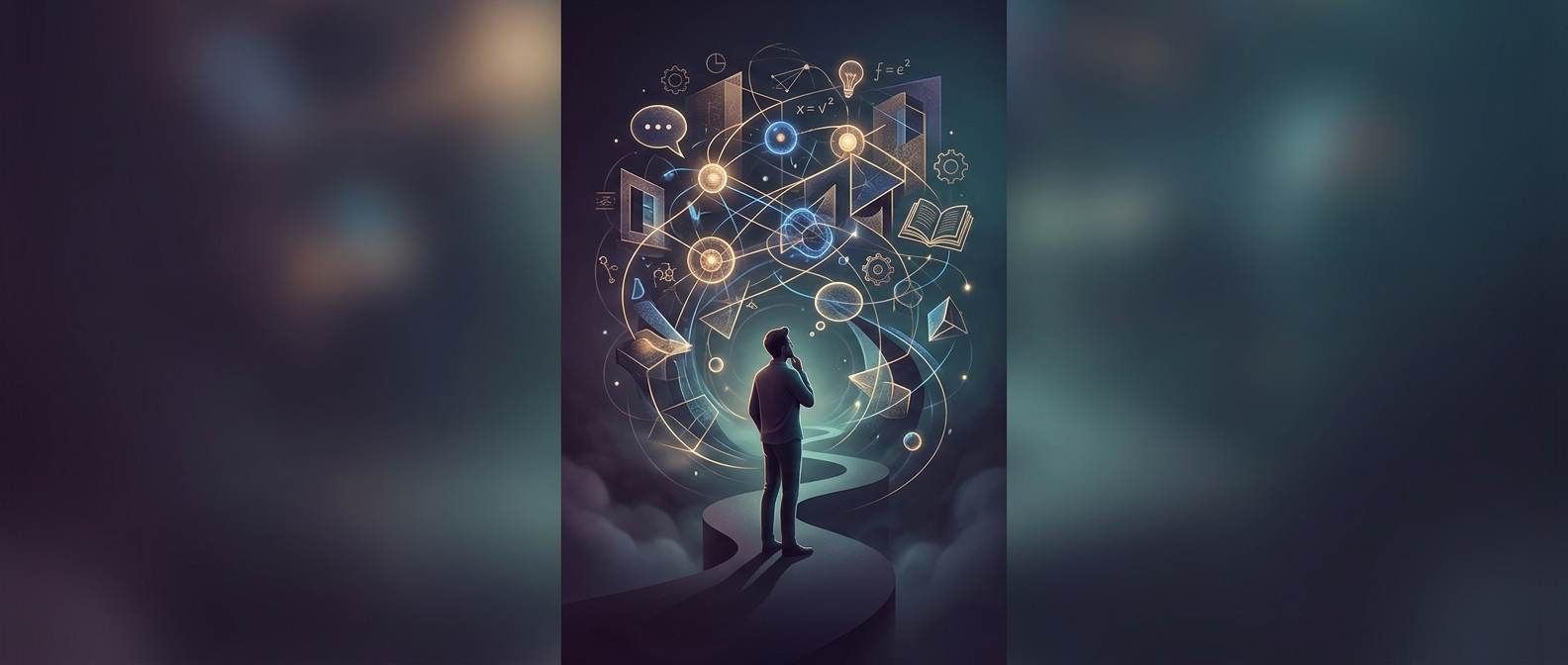
The mind is constantly making quick guesses about what it will see next. Most of the time, those guesses help us move through familiar surroundings without inspecting every detail. But when something violates the pattern—a tiny door on a tree, say, or an outfit that combines styles that rarely go together—the mismatch interrupts that automatic scan.
That interruption is useful. An unexpected detail may be a clue that something important has changed, so attention shifts toward it. The mind then tries to make sense of the mismatch: Is there a joke, a hidden rule, or a story behind it? The appeal often lies not in strangeness alone, but in having something to figure out.
When surprise feels like play
Curiosity can keep the process enjoyable, especially when the oddity feels safe and understandable enough to explore. A bizarre object in a gallery is unlikely to demand an urgent response; it can simply invite a closer look. Each new observation may reduce some uncertainty while revealing another question, keeping attention engaged.
People differ in how much novelty they enjoy and how readily they interpret it as playful rather than unsettling. Context matters, too: an unusual costume at a party may seem delightful, while the same unexpected appearance in a threatening situation may feel alarming. The weird becomes an invitation when surprise opens a question—and the setting makes it feel worthwhile to follow.