A closer look
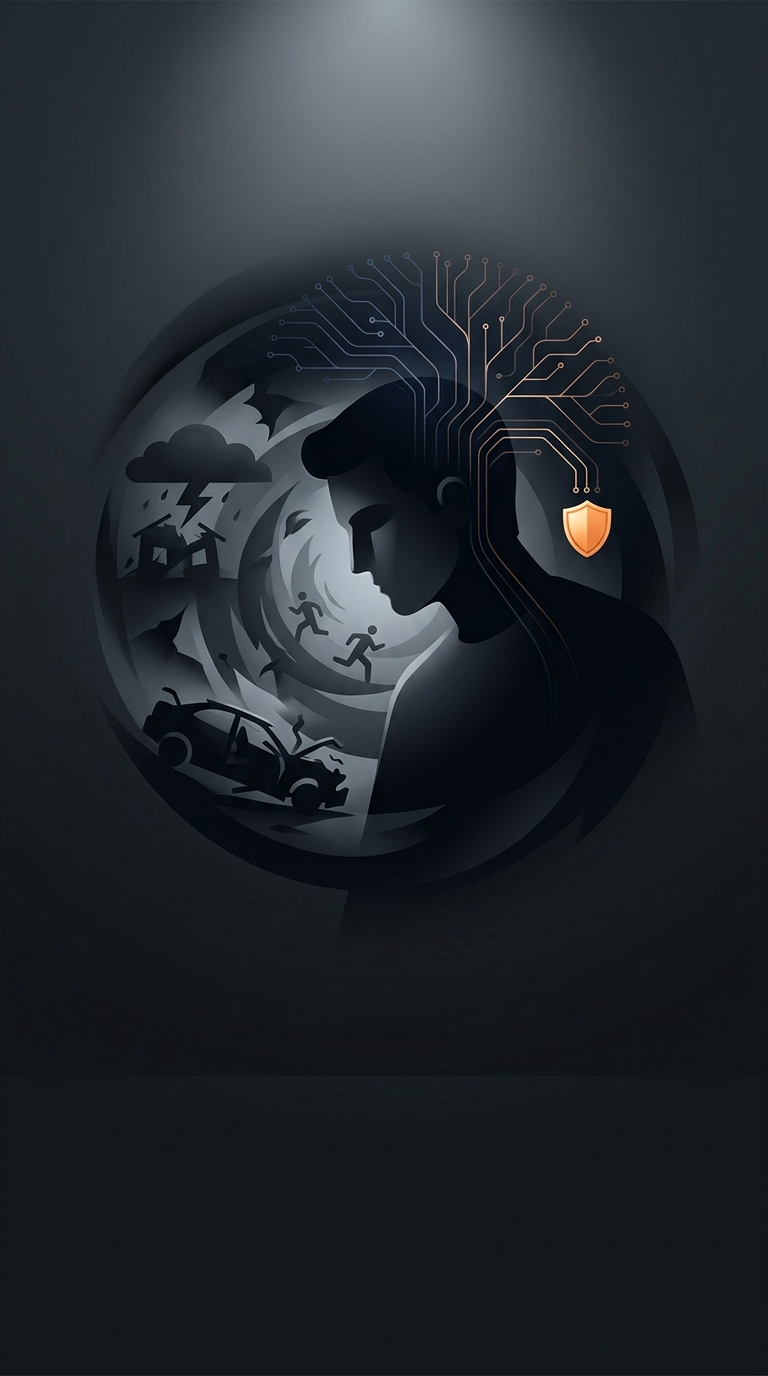
People are naturally drawn to horrific, disturbing, or violent imagery because our survival instincts demand we understand threats, which explains the psychology of morbid curiosity. You might claim to hate true crime documentaries, but when you drive past a massive car crash on the highway, your brain practically forces you to slow down and stare at the wreckage. We are not all secret psychopaths; our evolutionary programming just believes that simulating trauma from a safe distance is the best way to prepare for potential future disasters. It is the same reason why horror movies make hundreds of millions of dollars by voluntarily subjecting audiences to simulated anxiety attacks. Basically, your brain uses other people's tragic misfortune as an educational training simulation, ensuring you know exactly what not to do when a serial killer inevitably moves in next door