Why a glance at a phone can feel like rejection
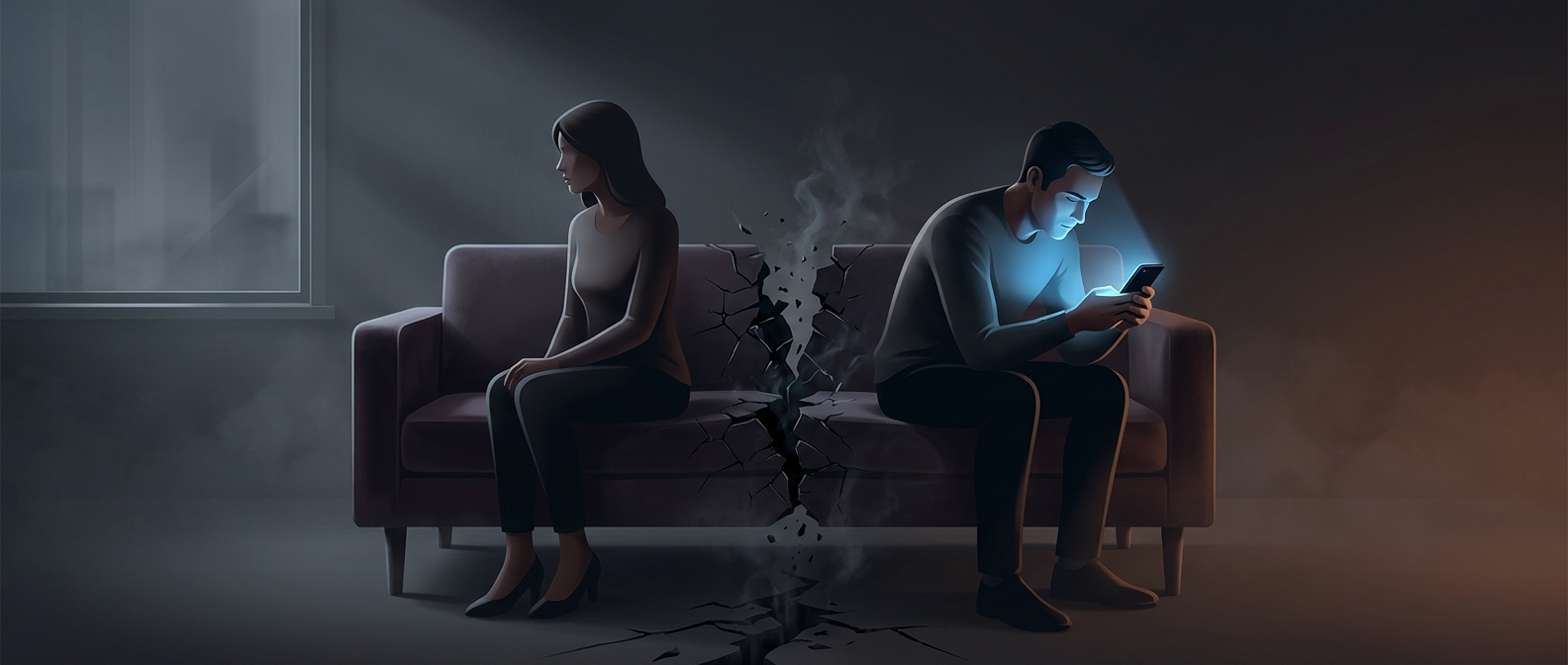
Conversation depends on small signals of attention: eye contact, a timely response, and signs that the other person is following. When a partner turns to a phone mid-conversation, those signals disappear. The person left waiting cannot tell whether the interruption is urgent, habitual, or more interesting to their partner than the moment they are sharing. That uncertainty can make an ordinary glance feel like a judgment.
The phone makes attention seem conditional
A phone is not just another distraction. It can connect its user to an unseen audience and an endless stream of updates, while the partner beside them has no way to see what is competing for attention. The interruption therefore changes the meaning of the exchange: instead of simply pausing, the conversation can seem easy to abandon whenever something else appears.
Trust grows partly from being able to predict that a partner will listen and respond. Repeated interruptions weaken that expectation. Each incident may be minor, but together they can teach one person to hold back, repeat themselves, or wonder whether they have their partner’s attention at all.
Reassurance comes from the response
The important cue is not whether a phone is ever used, but how the interruption is handled. A partner who explains a necessary check, returns attention, and picks up the conversation sends a different message from one who keeps scrolling while the other waits. That repair makes attention feel shared again—and prevents a brief screen glance from becoming evidence that connection can be switched off at any time.