Why Past Spending Can Hijack a Present Choice
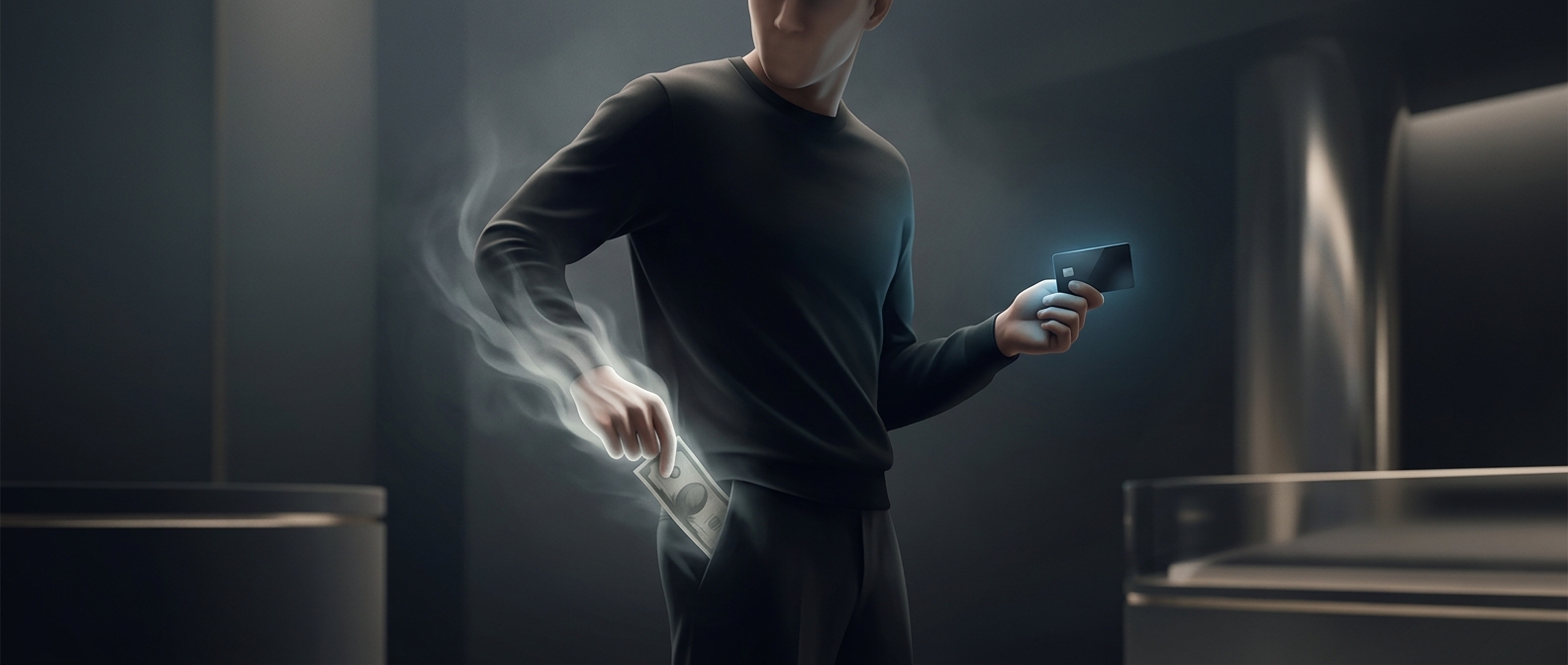
Once money is gone, it cannot be recovered by staying or leaving. Yet people often treat what they have already spent—on a ticket, a project, or a long wait—as a reason to keep going. This is the sunk cost effect: letting an unrecoverable investment influence a decision that should depend on what happens next.
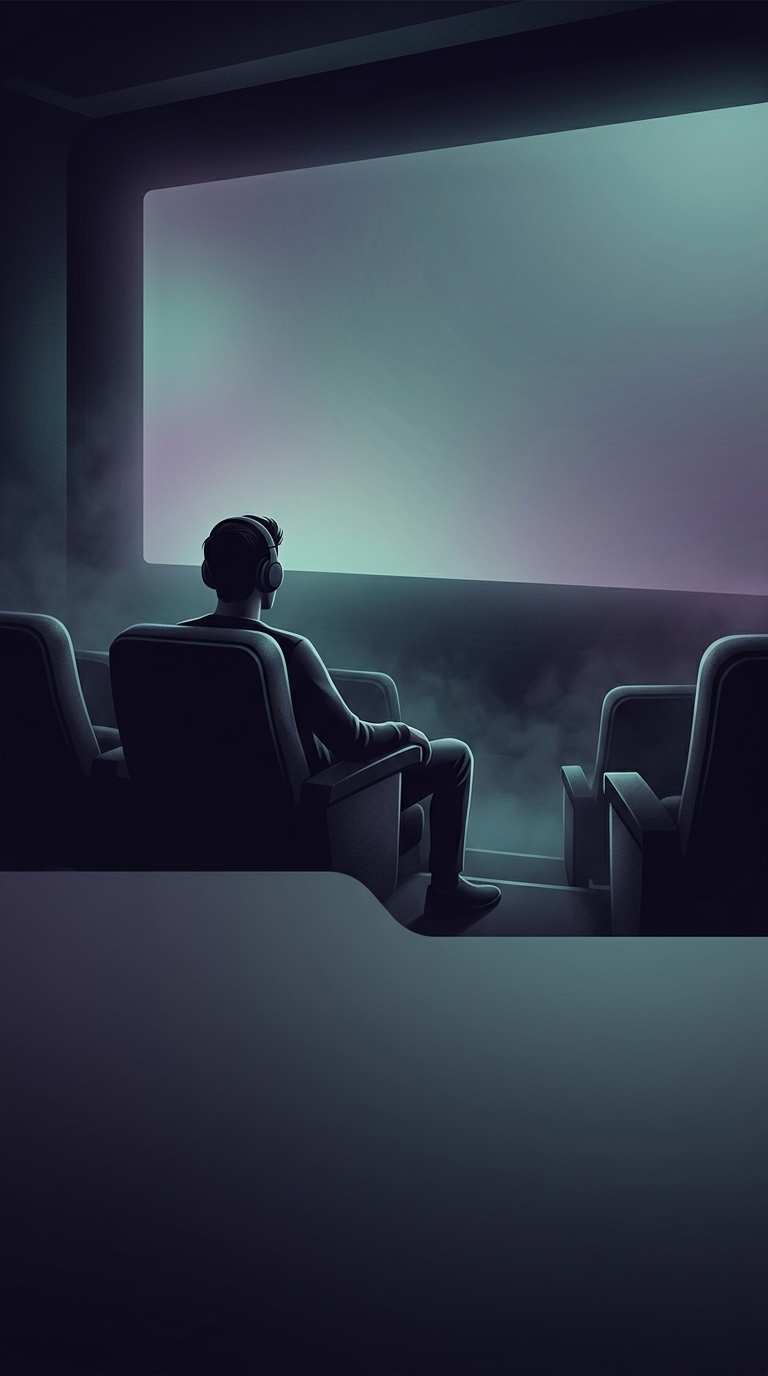
The pull is partly emotional. Walking out can make the original purchase feel like a waste, while staying offers a chance to tell yourself you got something for your money. But staying does not undo the purchase; it only adds more time to its cost. The relevant question is whether the next stretch of time is worth spending, not whether the earlier expense can be justified.
The Trap Is About More Than Money
The same reasoning can keep someone in a dull event, an unpromising project, or a plan that no longer fits. The investment might be hours, effort, or pride rather than cash. Quitting can feel like admitting a mistake, so continuing becomes a way to protect the story that the original choice was sensible.
That instinct is not always foolish: earlier effort can provide useful information, and continuing may still be the best option. The mistake is treating past effort itself as proof that more effort will pay off. A project deserves another hour because its likely benefits justify that hour—not because ten hours have already been spent.
A Simple Reset
To make the decision clearer, imagine you had not paid or invested anything yet. Would you choose this activity now, given the remaining time, likely payoff, and alternatives? If not, stopping may be the better choice. The ticket price stays spent either way; leaving simply prevents it from claiming the rest of the evening too.