A Spoiler Changes the Viewing Task
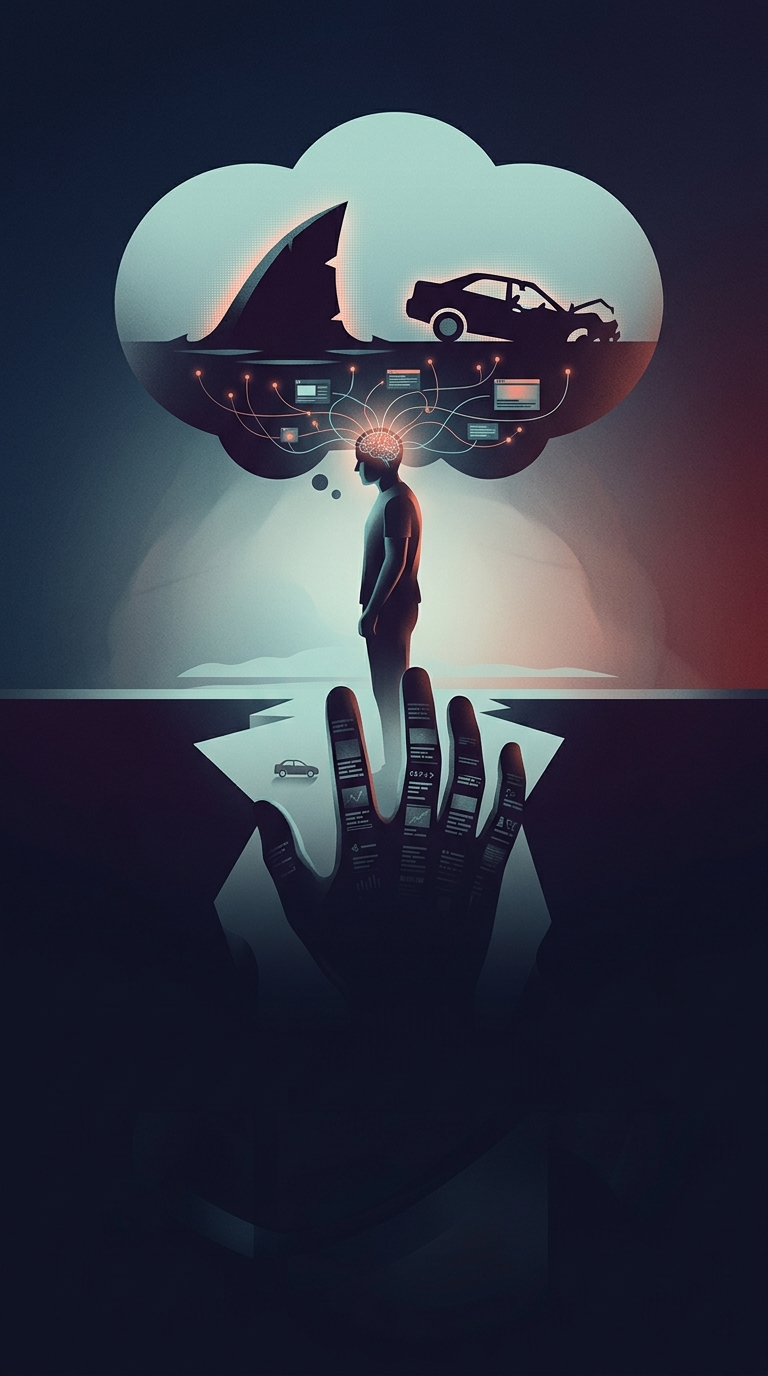
When a story hides its ending, viewers often try to predict it: Which detail matters? Is this character trustworthy? That guessing can be part of the fun, but it also uses attention. Once the ending is known, there is less need to keep several possible explanations in mind. The viewer can follow the scenes without treating every clue as a puzzle to solve.
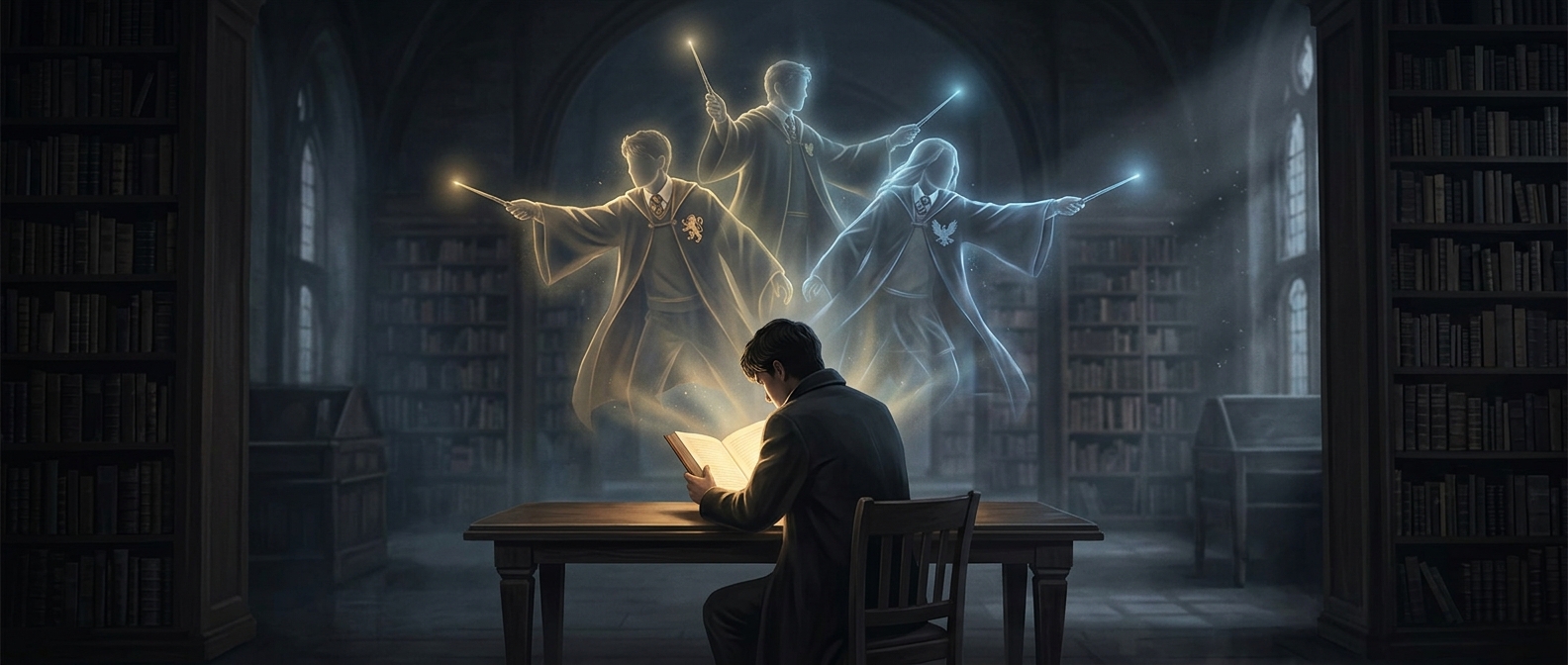
That shift changes what stands out. A line that seemed ordinary on a first viewing may now sound carefully chosen; a brief image may reveal where the filmmakers planted a clue. The pleasure comes partly from recognizing the connection between an early detail and its later payoff. Knowing the destination can make the route easier to appreciate.
Shock Versus Construction
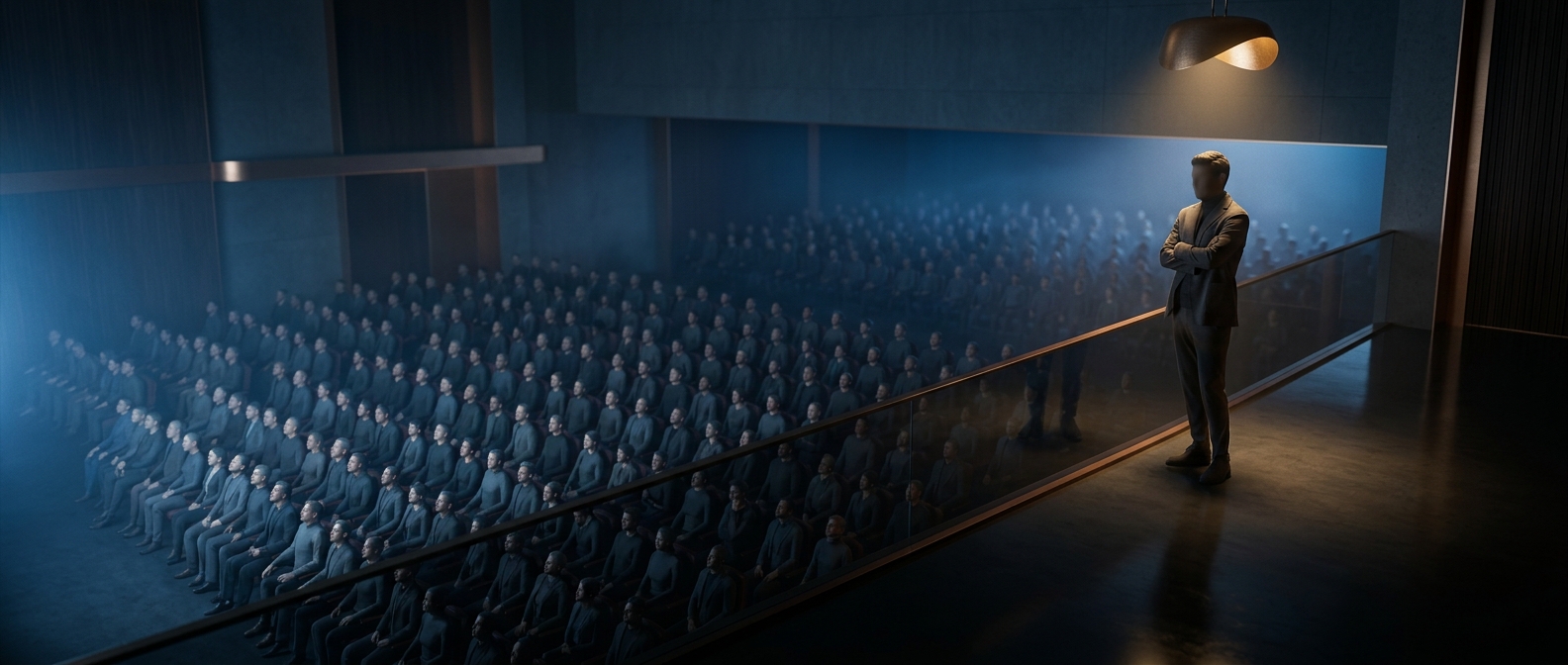
A twist depends on uncertainty. If viewers already know what is coming, the instant of revelation cannot land in quite the same way. But surprise is only one source of enjoyment. Performances, pacing, visual choices, and the way earlier scenes take on new meaning can still reward attention—and may become more noticeable when the viewer is not focused on guessing.
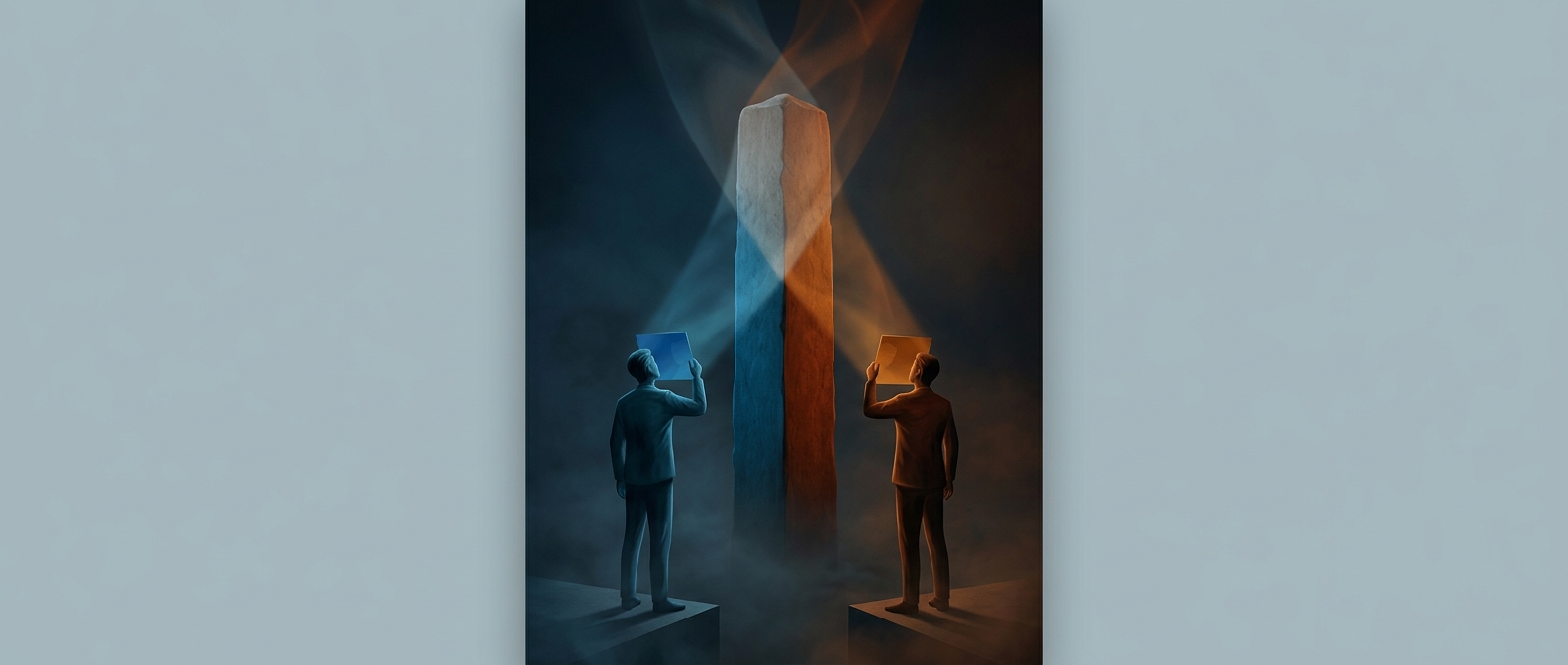
The tradeoff is not simply “spoiled” or “unspoiled.” A viewer who wants the jolt may prefer ignorance; one who enjoys tracing how a story works may prefer foreknowledge. In a twist-driven film, that means a spoiler can remove one sharp moment while turning the rest of the movie into a different kind of experience: less a mystery to crack, more a design to inspect.