Why the Same Report Can Feel Unfair to Both Sides
A report can give competing positions comparable space and still leave each audience feeling shortchanged. The reason is not simply that people disagree about the facts: they also bring different expectations about what a fair report should emphasize.
Attention Turns Into a Scorecard
When a story challenges a belief tied to a person’s political identity, the challenge tends to stand out. A viewer may remember the skeptical question put to their preferred side more vividly than the scrutiny applied to its opponent. They may also judge the opposing side’s evidence as more credible or relevant. Those impressions become an informal scorecard: Which claims got airtime? Which sounded convincing? Who was treated sympathetically?
This pattern is often called the hostile media effect—the tendency for people with strong views on an issue to see the same ostensibly balanced coverage as biased against their own side. It does not require viewers to consciously distort what they saw. Different details simply carry different weight for them.
Balance Is Not the Same as Equal Time
Journalists may aim for balance by checking claims against evidence, including relevant perspectives, and giving each side a fair chance to respond. That does not always mean giving every position identical time or treating every claim as equally well supported. A viewer who equates fairness with equal treatment may see an evidence-based difference in emphasis as favoritism; someone on the other side may regard that same difference as deserved.
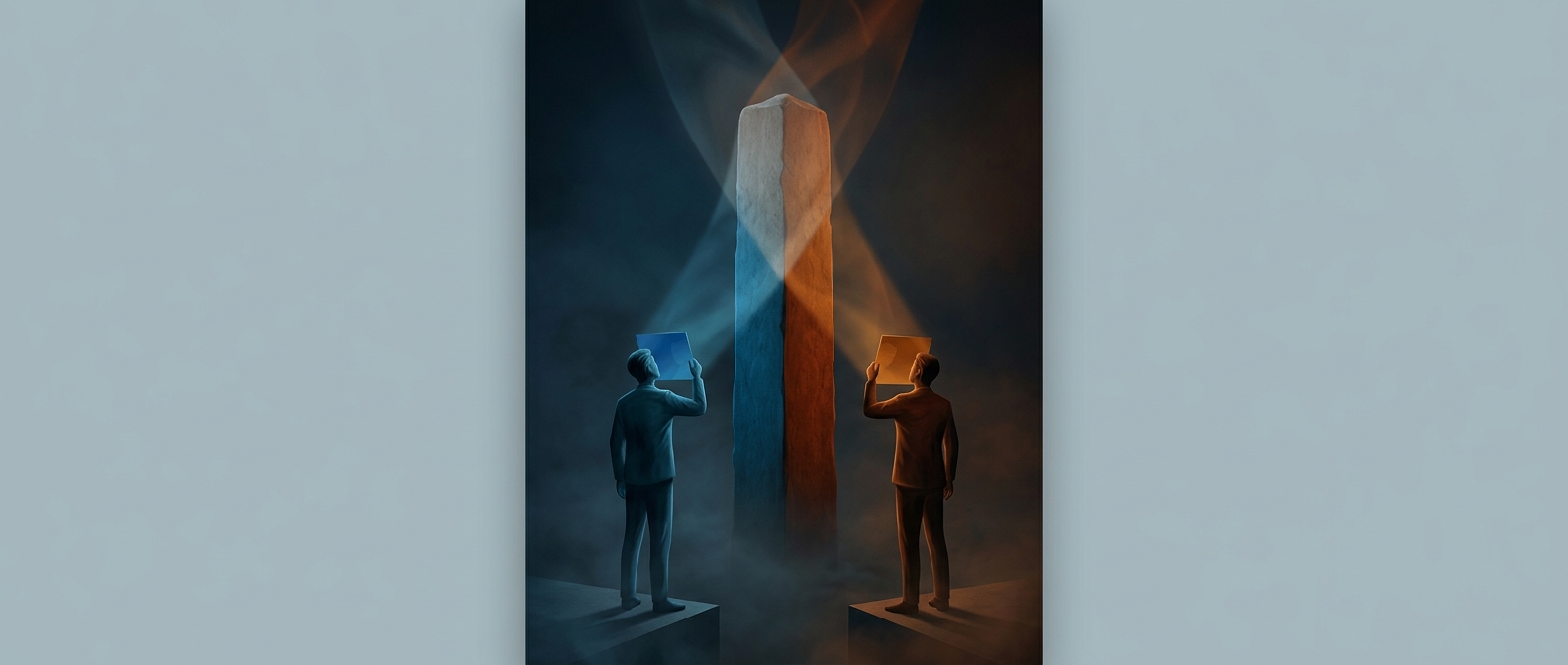
The result can be a revealing split: two viewers leave the same broadcast convinced that the other camp got the better deal. Their reactions show that perceived fairness depends not only on how a story is assembled, but also on which parts an audience notices and what it counts as fair.