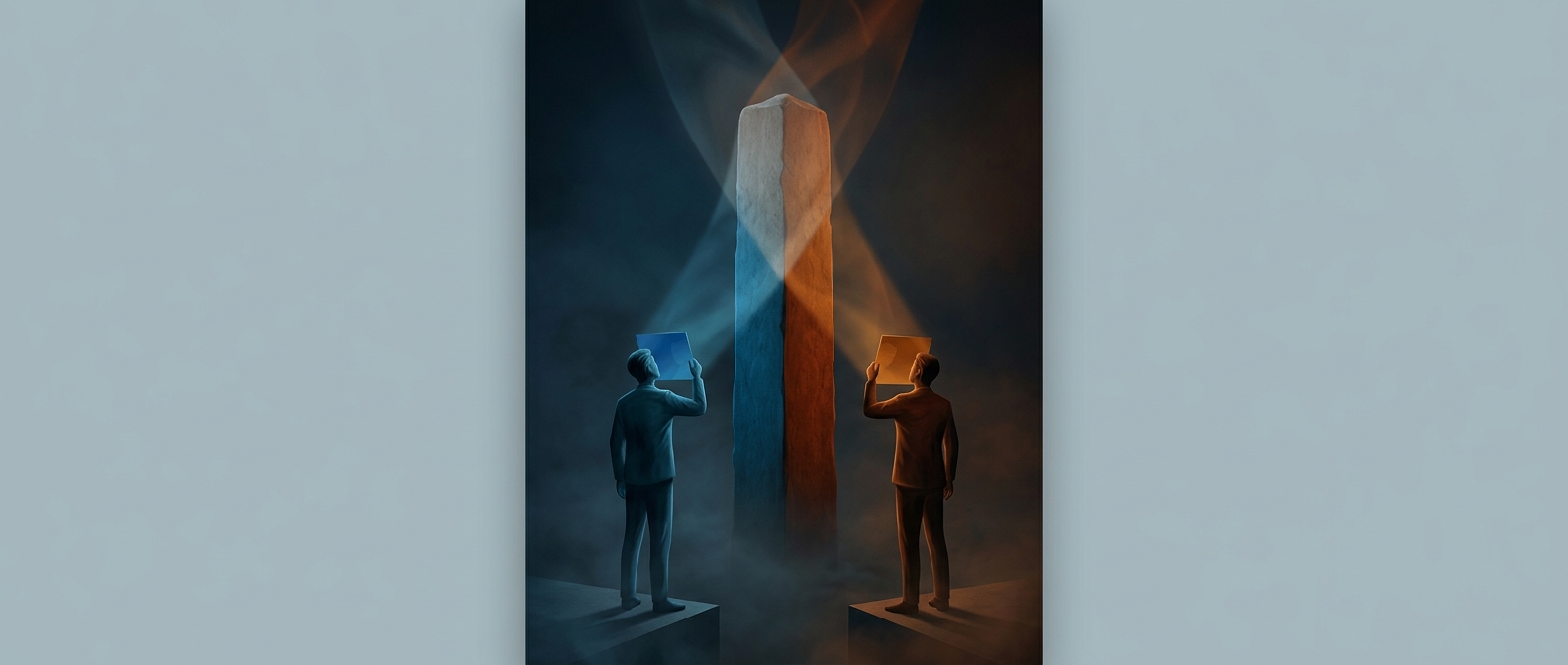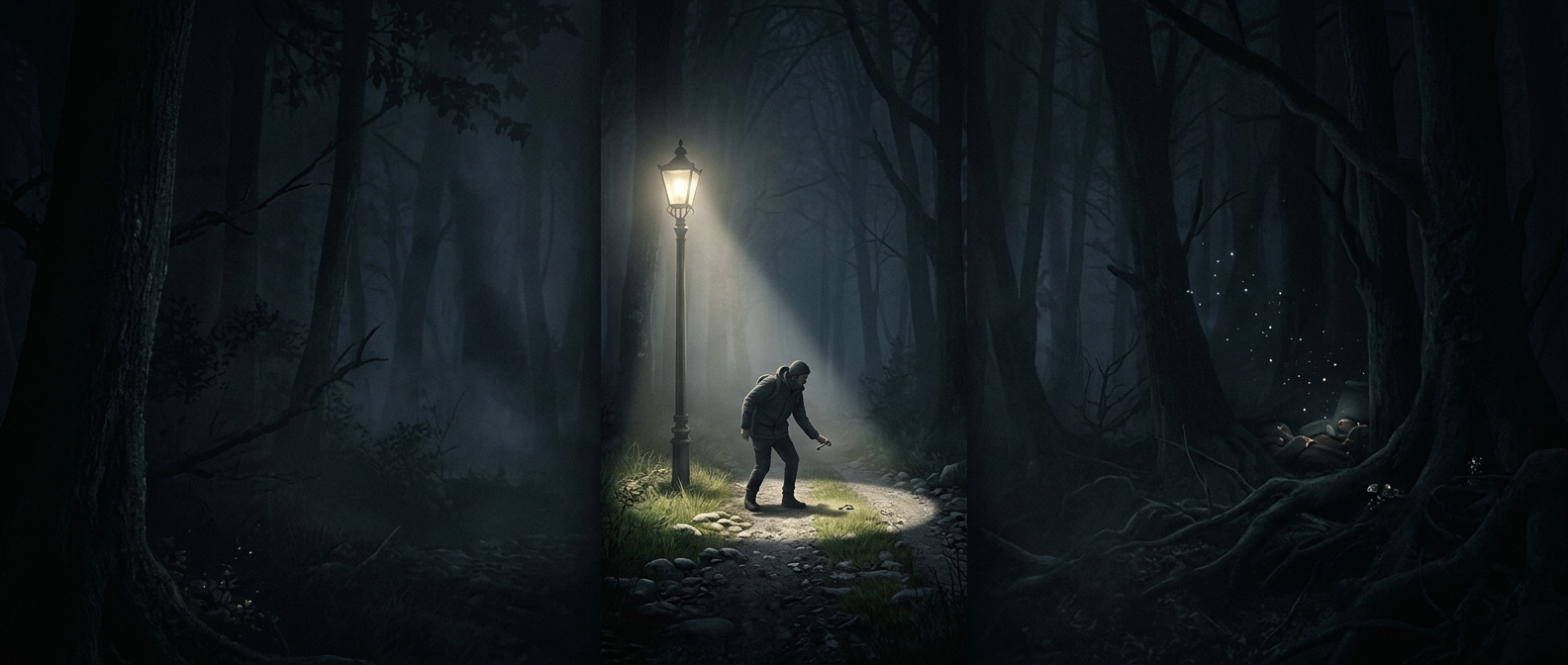
Why vivid examples can distort risk
When estimating how likely something is, people often search memory for examples. If one comes to mind quickly, the event can seem common. Psychologists call this the availability heuristic: judging frequency or probability by how readily examples are recalled.
This shortcut is useful because memory often reflects real patterns. If you have repeatedly seen a certain kind of problem, it may be sensible to treat it as a warning. But recall is shaped by more than how often an event occurs. A shocking story, a striking image, or repeated news coverage can make an example unusually easy to retrieve.
How a story becomes a risk estimate
Imagine hearing about a plane crash several times in a short period. The reports provide concrete scenes that are easy to picture, while a less dramatic danger may have no memorable story attached. When asked which risk is greater, the crash may come to mind first. That quick recall can feel like evidence of frequency, even though it mainly shows that the example is memorable.
The mental shortcut works without a person consciously deciding to ignore statistics. Ease of recall can quietly stand in for likelihood. Emotion and vivid detail strengthen that effect because they help an event stick in memory.
A useful pause before judging
The availability heuristic is not a claim that every vivid fear is misplaced. It explains why vividness alone is a poor measure of probability. Before treating the first example that comes to mind as representative, it helps to ask what else might shape its visibility: how much attention it received, how unusual it was, and whether less dramatic cases are simply harder to remember.
A memorable event can deserve attention—but its place in memory does not, by itself, tell you how often it happens.