Psychology
Discover facts about psychology. Small discoveries that change the way you see familiar things.
Psychology
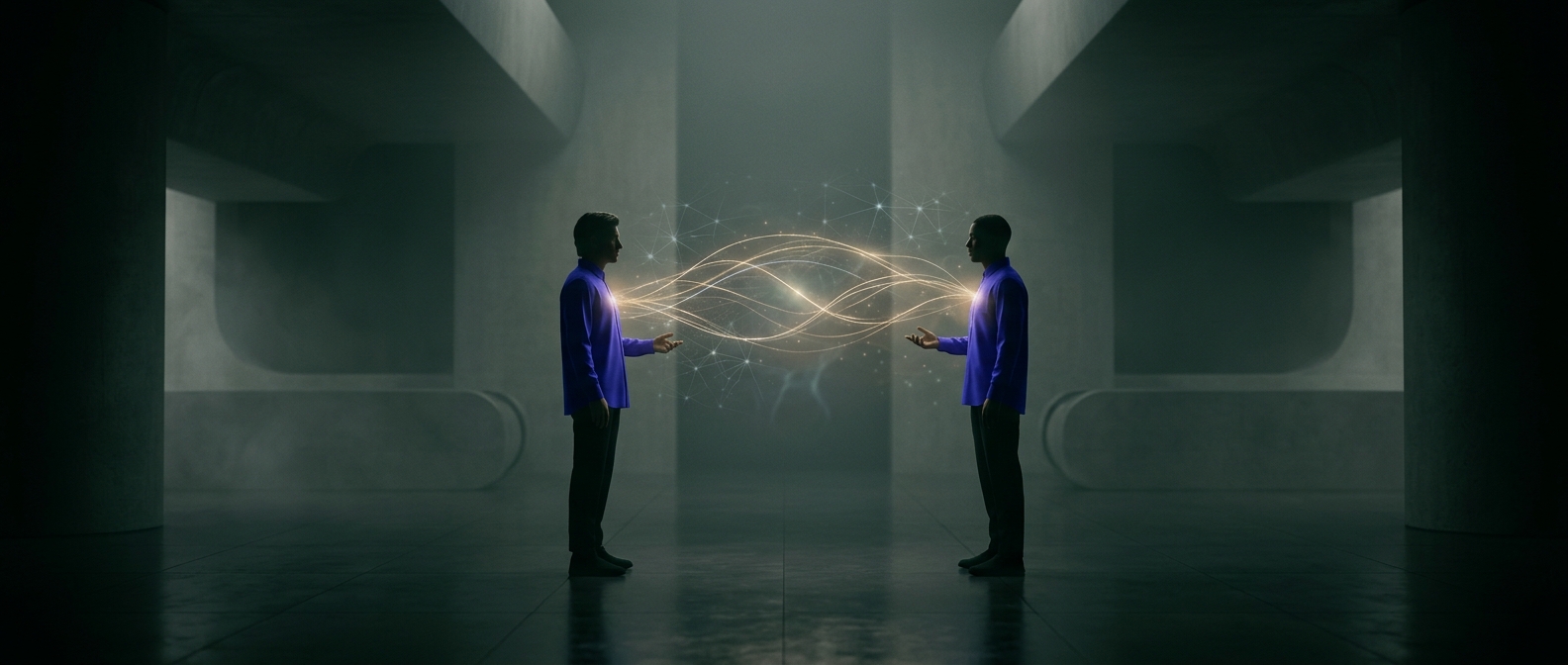
Why matching a stranger’s shirt can build trust
A matching shirt is a tiny badge of similarity. When you notice it on a stranger, your mind can treat the overlap as evidence that you have something in…
Discover more
Why throwing away your worries can ease stress
Write a worry on a scrap of paper, then throw it away: the physical ending can give your mind a sense of distance from the thought. Instead of carrying the…
Discover more
Some games secretly match trolls with trolls
When matchmaking takes conduct into account, it can quietly cluster players who behave similarly. That means a troll may be sent to a lobby where other…
Discover more
Compartmentalization keeps your conflicting values apart
Conflicting values are easier to live with when they stay in different mental rooms. In one room, a person is loyal; in another, they do something that…
Discover more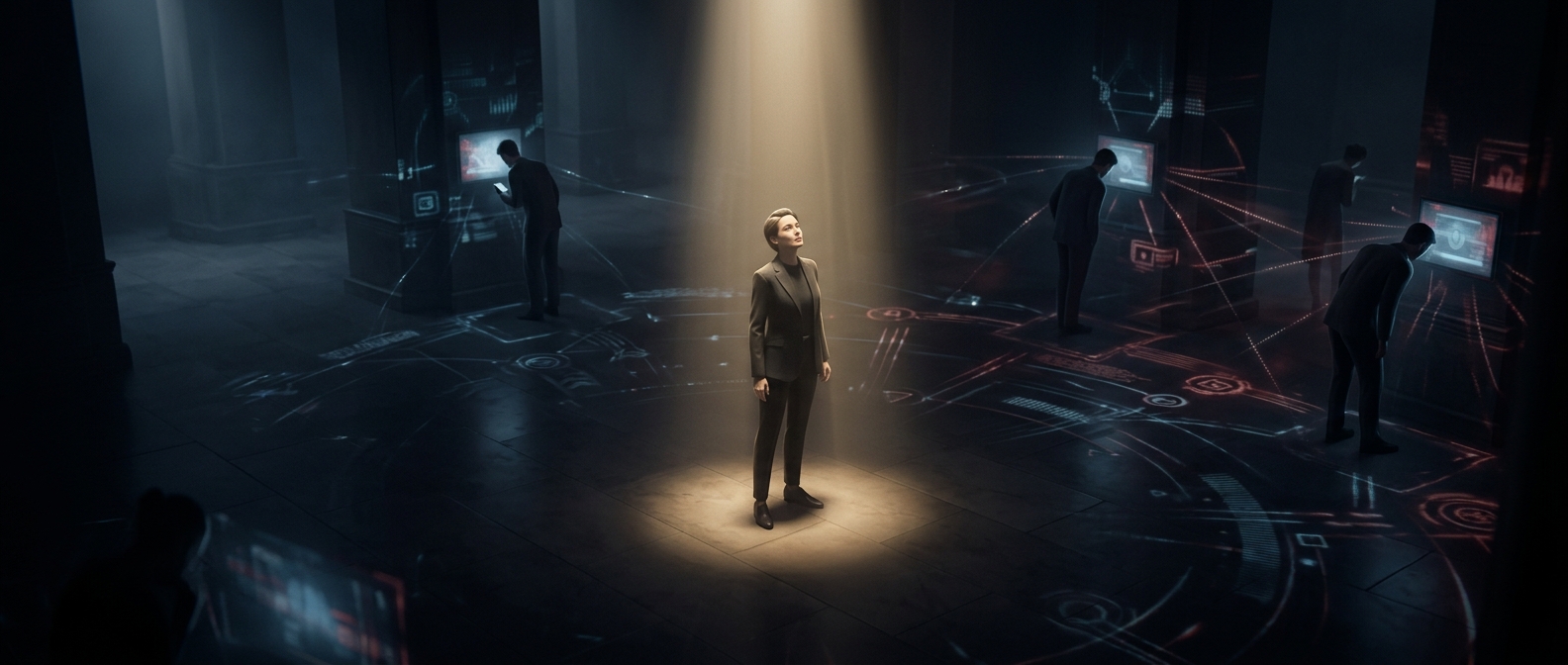
Why you think propaganda works on everyone but you
Propaganda is easier to spot when it targets someone else's fears or loyalties. When a message fits yours, it can feel like common sense instead of influence.…
Discover more
Daydreaming is your brain's default mode
Staring out a window can look like doing nothing, but the mind may be busy stitching together memories, plans, and imagined conversations. When an outside…
Discover more STACKY FOR IPHONE
A bigger world.
One discovery
at a time.
Keep discovering with Stacky. Interesting facts in an app that is always within reach.
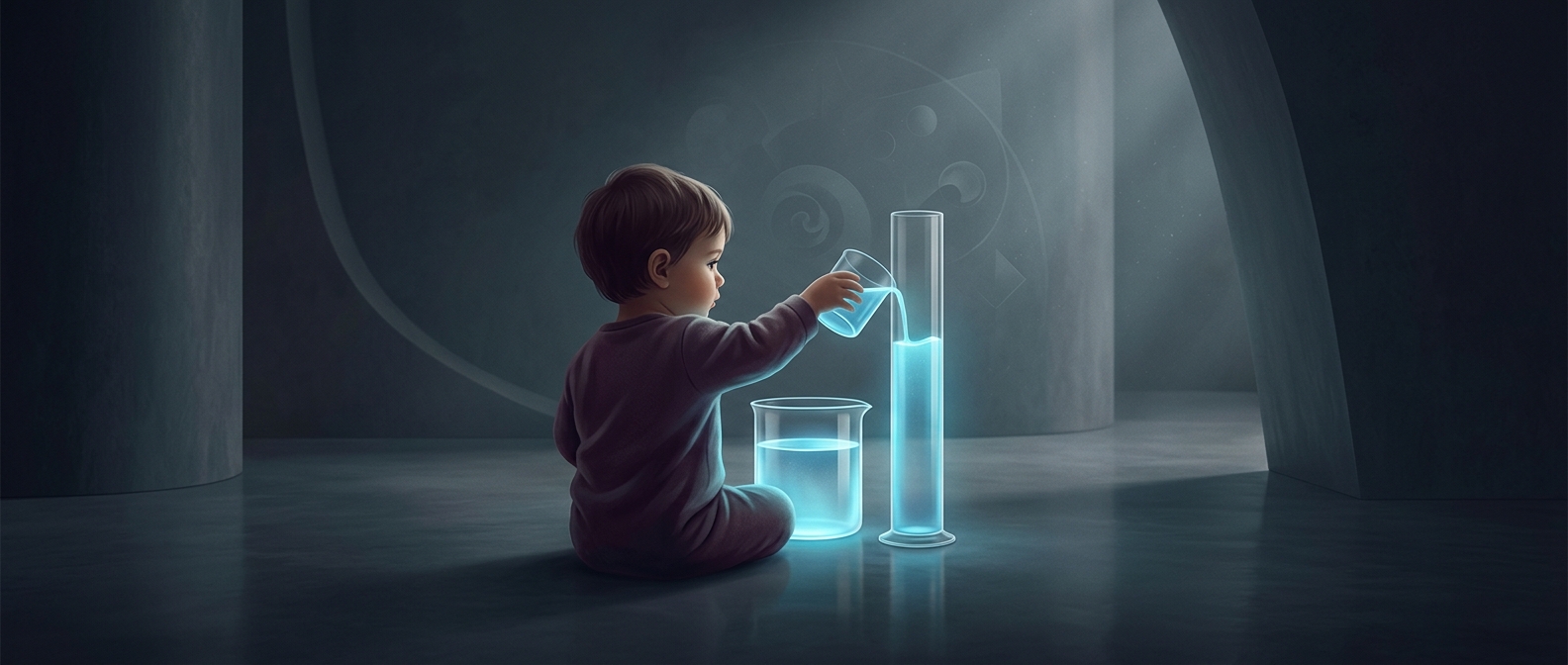
Children fail to grasp basic liquid volume logic
Pour the same water into a tall, skinny glass and it suddenly looks like more. Young children often judge what their eyes can track—the height—rather than…
Discover more
Why your best friend’s looks can feel threatening
A gorgeous stranger is easy to admire and move past. A gorgeous best friend is harder: closeness makes the comparison personal, and their good looks can…
Discover more
Why spotting one target can make you miss the next
Imagine two letters flashing among a rapid stream of others. After your attention locks onto the first target, it’s busy identifying and storing it; a second…
Discover more
Why anonymity can make people act cruelly online
Online, a target can become a username instead of a person looking back at you. That distance dulls the feedback that usually checks an impulse—hurt…
Discover more
Perpetual travelers lack a permanent address
A perpetual traveler can wake up in a new place every week, but bills, forms, and deliveries still ask for one address. So a life with no fixed home often…
Discover more
How one small detail can ruin the whole experience
A single noticeable flaw can become the detail your mind uses to judge the whole experience. Because negative surprises grab attention, one cold dish or rude…
Discover more
Holding thoughts requires constant mental rehearsal loops
A thought you’re holding in mind doesn’t just sit there untouched. Repeating it quietly gives it another pass through working memory, like refreshing a page…
Discover more
The surprisingly bleak origin of honeymoon
“Honeymoon” was once tied to the notion that newlyweds’ sweetness would last only briefly, like a moon that waxes and then wanes. The name makes the first…
Discover more
How brain trauma can unlock extraordinary abilities
In rare cases, brain injury is followed by an unexpected talent. One explanation is that damage changes the brain’s usual filters, letting details or patterns…
Discover more
Perfectionism is directly linked to severe burnout
The perfectionist’s finish line keeps moving: one more edit, one more check, one more hour to make the work impossible to criticize. That extra effort can…
Discover more
Fear of teenagers has a name that sounds more clinical than it is
'Ephebiphobia' is a term for fear or hostility directed toward adolescents. It can describe a social attitude, not automatically a separate medical diagnosis.…
Discover more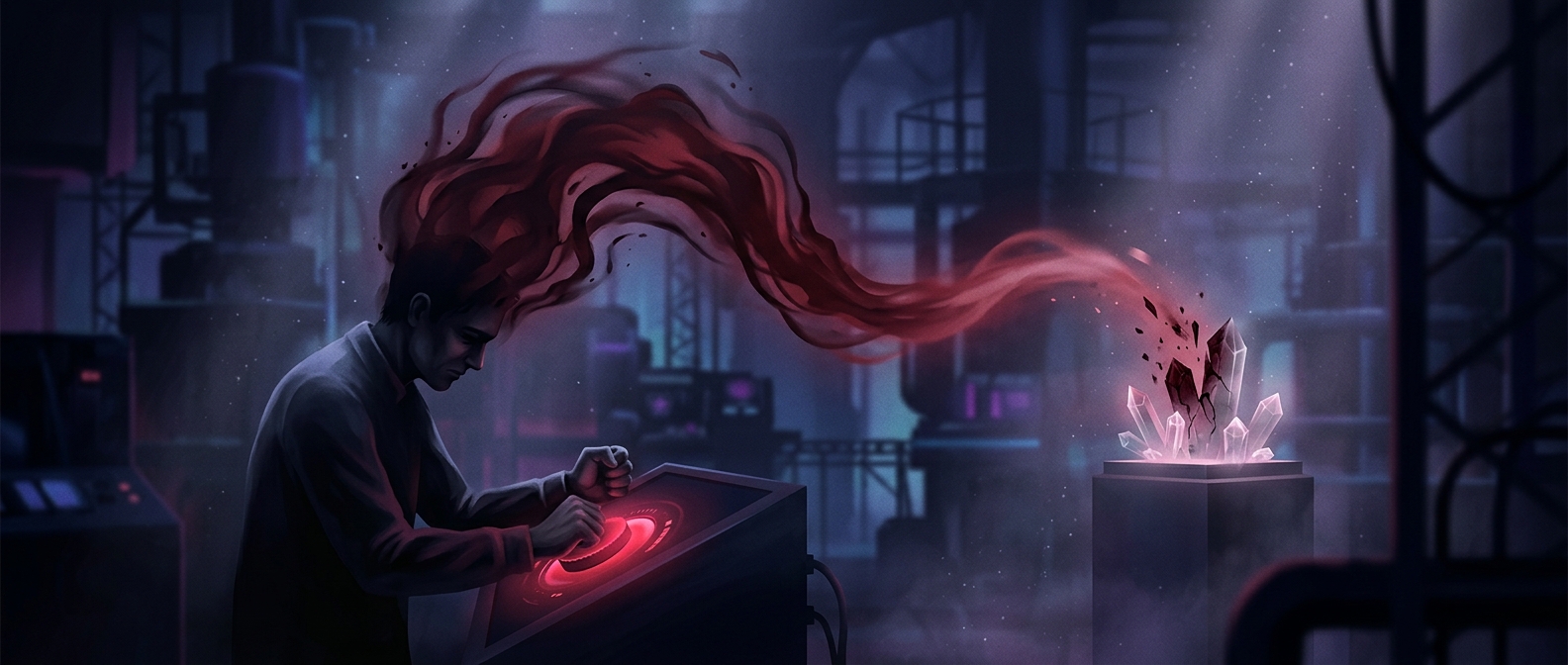
Displacement shifts your inner turmoil onto a random target
You have a rotten day, then snap at the person who asks one harmless question. Displacement is the mind redirecting emotion away from its original source—say,…
Discover more
Heavy metal helped fans process anger in an experiment
In a 2015 study, fans listened to their own extreme-music selections after an anger-inducing interview. The music did not make them angrier and was associated…
Discover more
Why the silent treatment can wreck relationships
The silent treatment removes the conversation that could repair a rupture and replaces it with a guessing game. The person shut out has to interpret every…
Discover more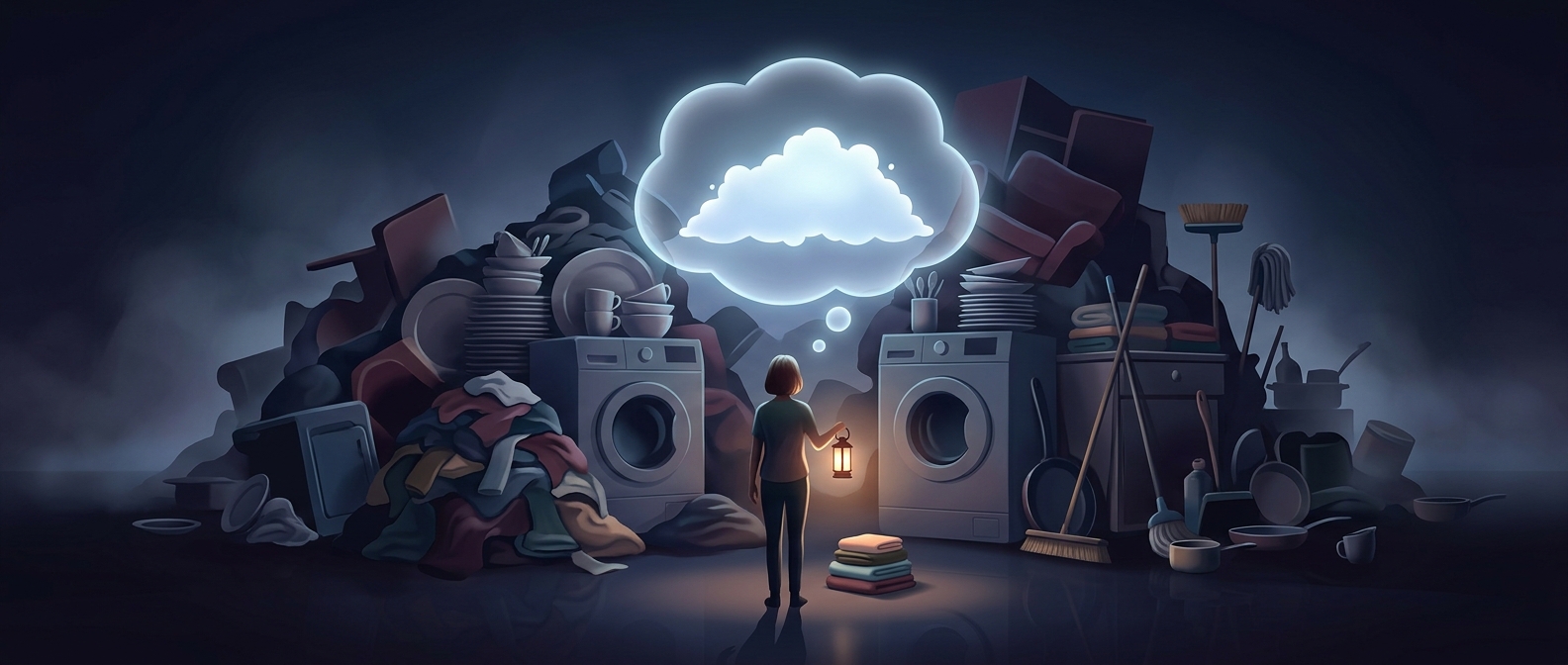
Why roommates' chore totals exceed 100 percent
Housework is easy to count when you’re doing it and easy to overlook when someone else is. Each roommate remembers their own trips to the store and wiped…
Discover more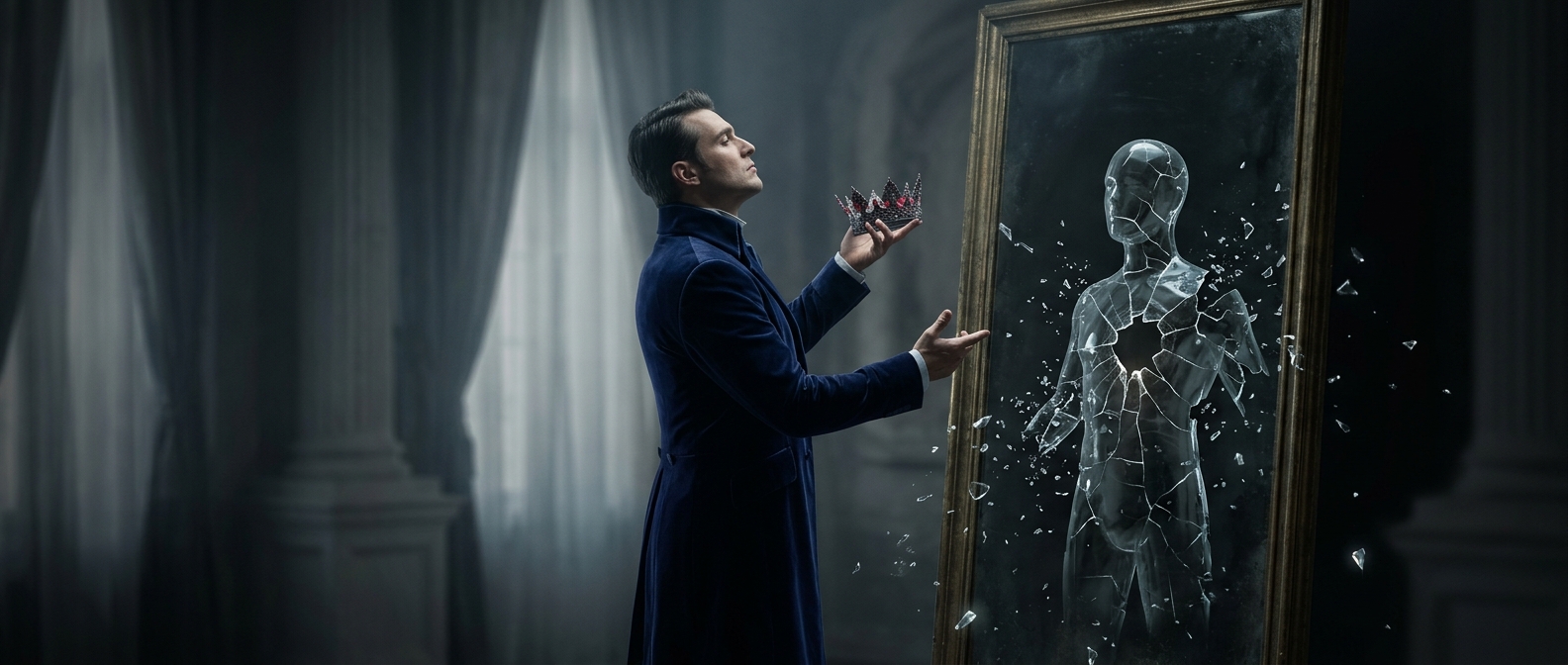
Why grandiosity can mask deep insecurity
Grandiosity can be a way to keep a fragile self-image feeling enormous. Exaggerated claims of importance or superiority push doubt out of the foreground and…
Discover more
Overheating consoles sound like jet engines
When a console gets hot, its cooling fan spins faster to move more air through the machine. That rushing air can become a jet-like roar, so the loudest sound…
Discover more
Why you keep doomscrolling after it stops feeling good
Doomscrolling turns uncertainty into a slot machine. Most updates bring little relief, but the next one might contain the crucial answer, so your attention…
Discover more