Why anger can land on the wrong person
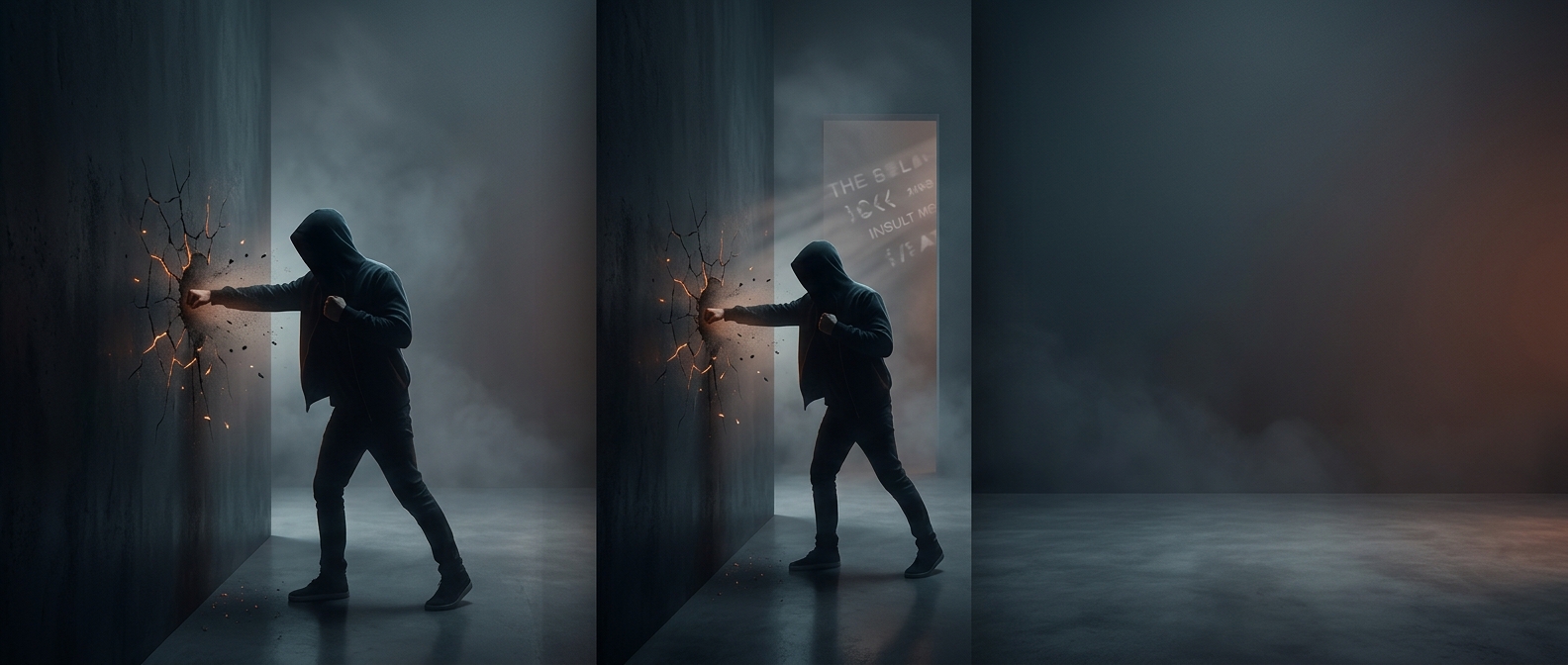
Displacement is a way of redirecting a feeling from its original source to a different target. It can happen when expressing the feeling directly seems risky, impossible, or likely to bring consequences. Someone who feels furious with a supervisor, for example, may hold back at work and later respond sharply to a family member over a minor annoyance.
The emotion does not vanish just because its source is out of reach. Frustration and tension can carry into the next interaction, where a small irritation gives them an outlet. The new target may be easier to confront—or simply the person who happens to be present. That helps explain the mismatch between the size of the reaction and the immediate trigger.
The relief is real, but the problem remains
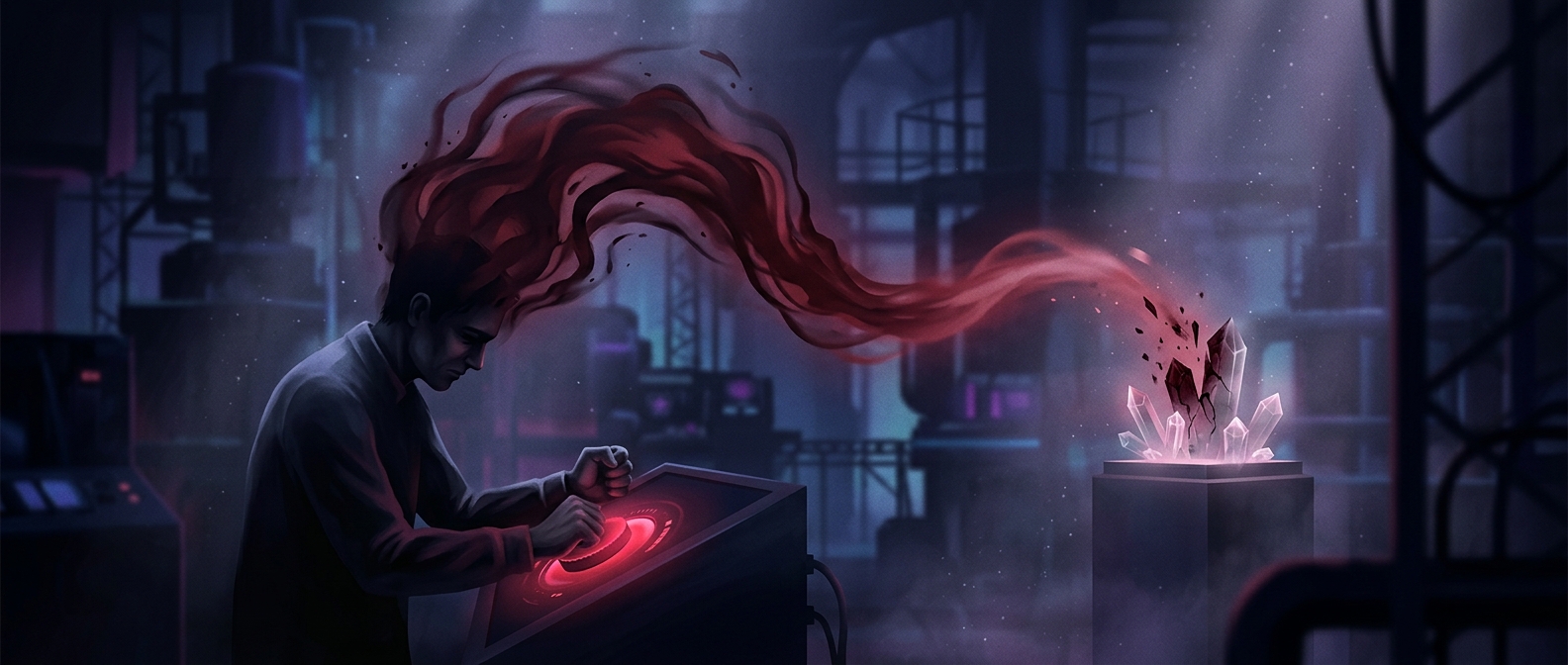
Redirecting anger may provide a brief release, yet it does not address what caused the feeling. The person who snapped may still be upset about work, while the person who received the outburst is left confused or hurt. If this pattern repeats, it can strain relationships without resolving the original conflict.
A useful clue is noticing when a reaction feels unusually intense for the moment. Pausing to ask what else has been weighing on you can help separate the immediate irritation from the older frustration. That does not make every sharp response displacement, but it can reveal when the nearest person has become a stand-in for a problem they did not create.